
Introduction
Managing the health of a beloved canine companion often involves intricate details, especially when dealing with chronic conditions. One such critical aspect for dogs diagnosed with congestive heart failure (CHF) is the implementation of a carefully controlled low sodium diet for dogs with congestive heart failure. Congestive heart failure occurs when the heart’s ability to pump blood effectively is compromised, leading to a buildup of fluid in the body, primarily in the lungs and abdomen. This fluid retention significantly strains the heart and impairs respiratory function. Understanding and adhering to a low sodium diet is paramount as it directly impacts the body’s fluid balance, helping to alleviate the symptoms of CHF and improve a dog’s comfort and overall quality of life. Proactive dietary management, alongside other veterinary treatments, becomes a cornerstone of care for these special pets.
💡 Pet Care Key Takeaways:
- Core Focus: Practical health, nutrition, and wellness guidelines for Low Sodium Diet For Dogs With Congestive Heart Failure.
- Target Scope: Pet owners, animal caregivers, and veterinary support staff.
- Best Recommendation: Maintain consistent daily routines and consult an accredited veterinarian before introducing major diet or medical changes.
Common Causes and Key Factors
The necessity for a low sodium diet in dogs with congestive heart failure stems directly from the physiological changes associated with the condition itself. Congestive heart failure in dogs is commonly caused by acquired heart diseases, such as degenerative mitral valve disease (DMVD), particularly prevalent in smaller breeds like Cavalier King Charles Spaniels, or dilated cardiomyopathy (DCM), often seen in larger breeds like Doberman Pinschers and Great Danes. These conditions weaken the heart muscle or impair valve function, reducing its pumping efficiency. For more related activities, check out our “Fortiflora” And “Gut Health”.
When the heart struggles, the body initiates compensatory mechanisms. These include activation of the renin-angiotensin-aldosterone system (RAAS) by the kidneys. While initially helpful, chronic activation of RAAS leads to excessive retention of sodium and water by the body. This increased fluid volume exacerbates the strain on the already compromised heart and contributes to the hallmark symptoms of CHF, such as fluid accumulation in the lungs (pulmonary edema) and abdomen (ascites). Therefore, limiting dietary sodium becomes a crucial intervention to minimize this fluid retention and support cardiovascular function.
Signs and Symptoms to Observe
Recognizing the signs and symptoms associated with congestive heart failure is vital for dog owners, as early detection can significantly impact the effectiveness of management strategies, including dietary adjustments. Observable indicators can vary in severity and progression, often depending on the specific heart condition and its stage.
Common signs include a persistent cough, especially noticeable at night or after exertion, which may indicate fluid in the lungs. Difficulty breathing, characterized by increased respiratory rate at rest, exaggerated abdominal movements during breathing, or panting even when not hot or exercising, is another critical symptom. Dogs may also exhibit reduced exercise tolerance, showing lethargy, reluctance to play, or tiring quickly during walks. Restlessness, difficulty finding a comfortable position to lie down, or changes in sleeping patterns can also occur. In more advanced stages, some dogs may develop a distended abdomen due to fluid buildup (ascites) or experience fainting (syncope) episodes. Monitoring these signs closely and communicating them to a veterinary professional is essential for appropriate diagnosis and ongoing care.
Practical Solutions and Management Strategies
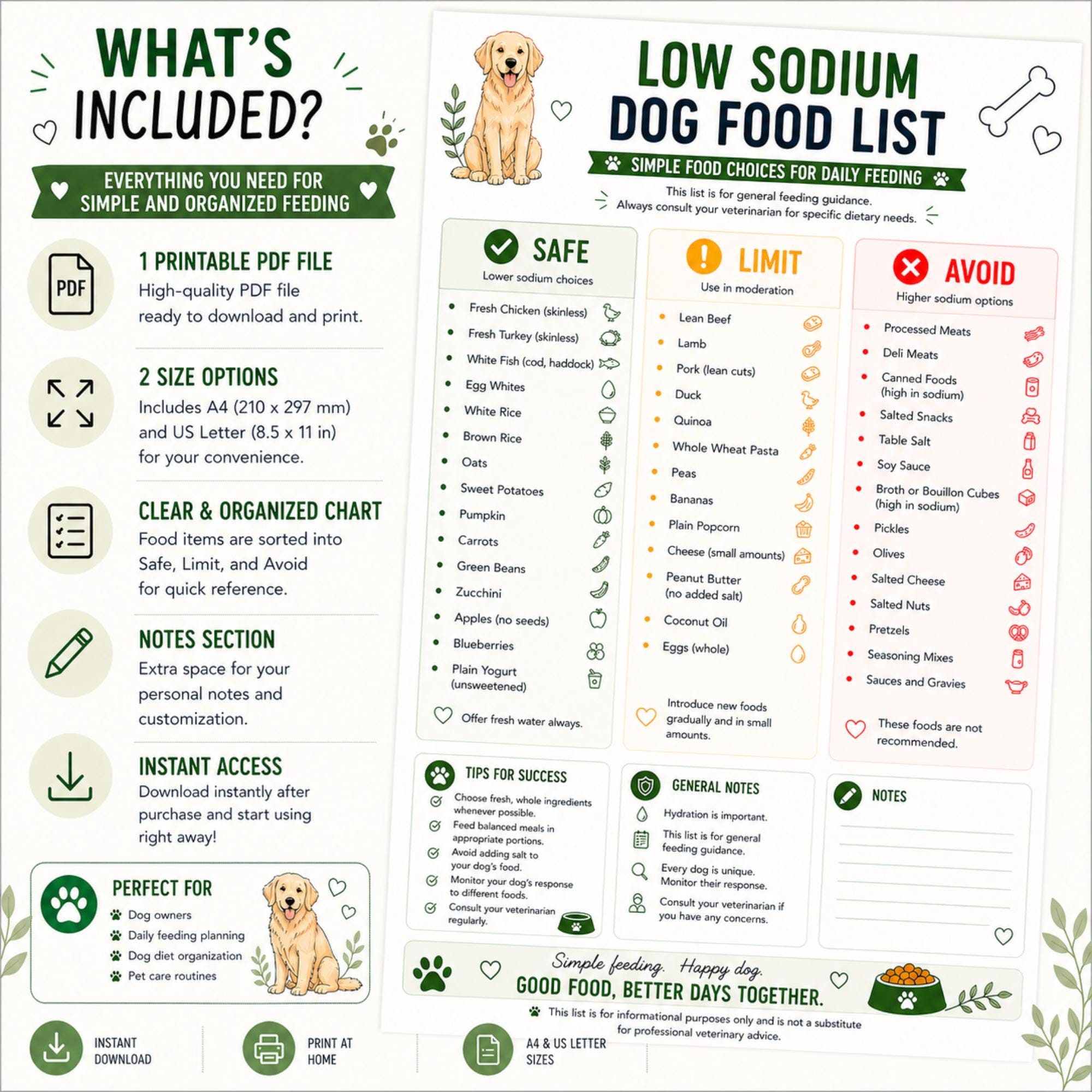
Implementing a low sodium diet for dogs with congestive heart failure involves specific and consistent strategies to effectively manage the condition. The primary approach is transitioning to a therapeutic low-sodium commercial diet, typically prescribed by a veterinarian. These diets are carefully formulated to provide complete and balanced nutrition while strictly controlling sodium levels. Owners should be diligent in reading food labels, looking for terms like “cardiac diet,” “low sodium,” or “very low sodium” as recommended by the veterinary team.
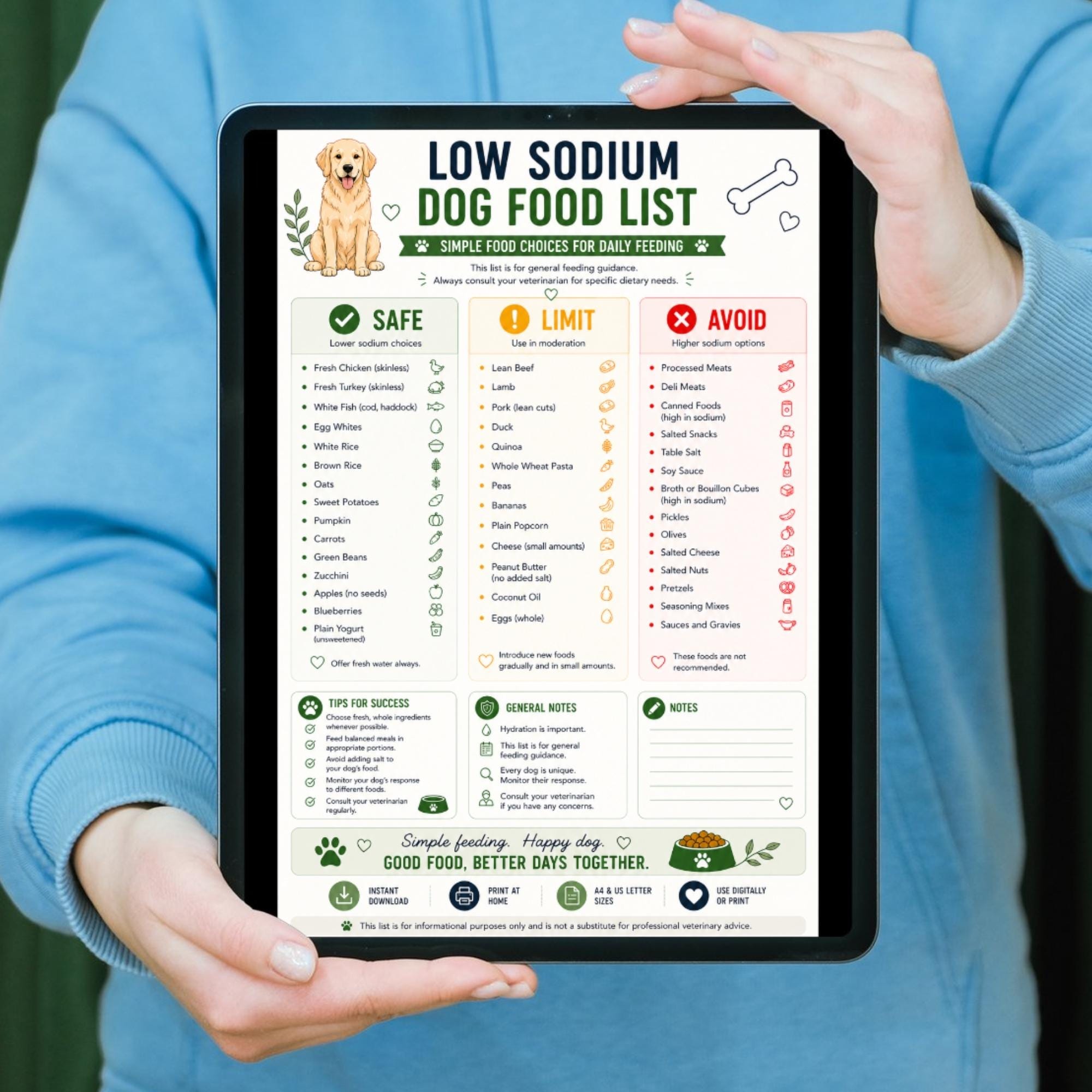
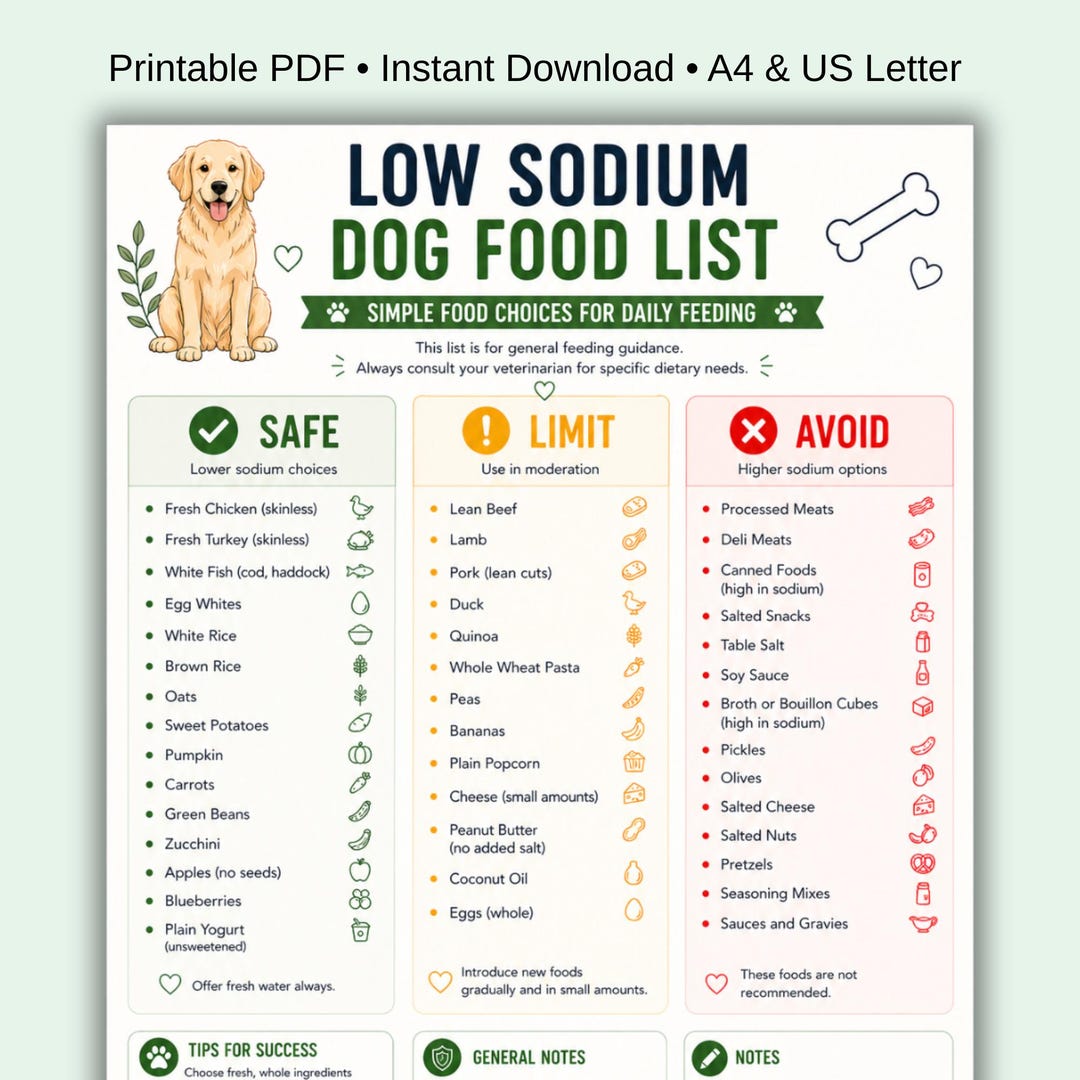
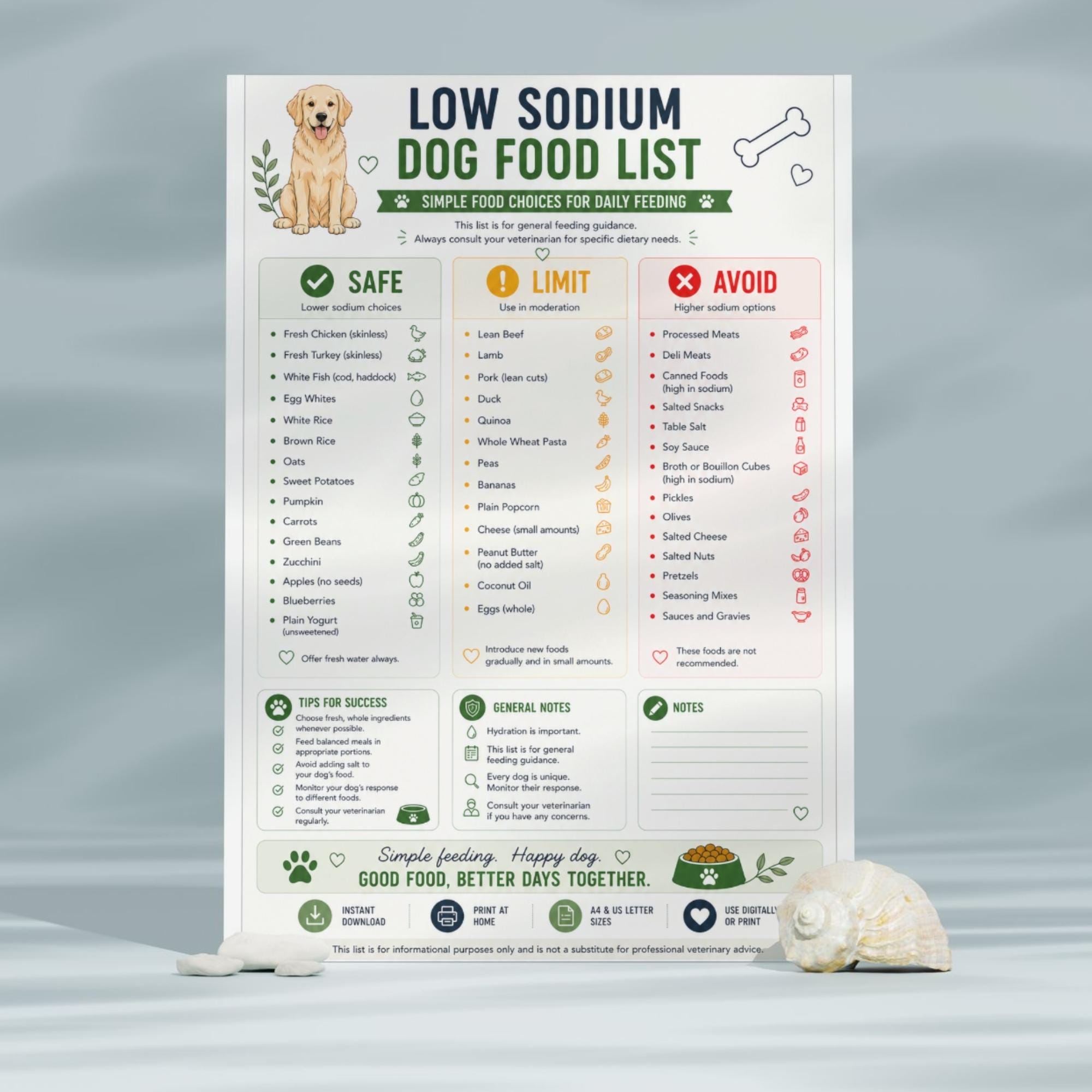
Beyond the main meal, managing treats and table scraps is crucial. Many common human foods and commercial dog treats are surprisingly high in sodium and must be avoided. This includes items such as processed meats, cheese, bread, many types of biscuits, and salty snacks. Opt for veterinarian-approved low-sodium treats or plain, unsalted fruits and vegetables (in moderation) that are safe for dogs, such as carrots or green beans. If considering a home-cooked diet, strict guidance from a veterinary nutritionist is indispensable to ensure the diet is nutritionally complete and appropriately low in sodium, as improper formulation can lead to deficiencies or imbalances.
Consistent access to fresh, clean water is always important for dogs but takes on added significance for those on a low-sodium diet and receiving diuretics. Regular monitoring of the dog’s weight, appetite, and breathing rate at home can also provide valuable insights into the diet’s effectiveness and the disease’s progression, allowing for timely adjustments in consultation with the veterinary team.
When Professional Help May Be Needed
The management of congestive heart failure and the implementation of a low sodium diet for dogs with congestive heart failure are complex and require ongoing veterinary guidance. Professional intervention is necessary from the initial suspicion of heart disease. A veterinarian can accurately diagnose CHF through physical examination, radiography, echocardiography, and blood tests. Once diagnosed, the veterinarian will determine the appropriate stage of heart disease and prescribe a tailored treatment plan, which invariably includes specific dietary recommendations regarding sodium restriction.
Consultation is also vital for selecting the correct therapeutic diet, whether it be a commercial prescription food or guidance on formulating a safe and balanced home-cooked low-sodium meal plan. Adjustments to medication dosages, which often work synergistically with dietary changes to control fluid retention and support heart function, must always be made under veterinary supervision. Any significant changes in a dog’s condition, such as increased coughing, difficulty breathing, lethargy, or collapse, warrant immediate veterinary attention, as these could indicate a worsening of CHF requiring urgent medical intervention. Regular follow-up appointments are essential for monitoring disease progression, adjusting treatment as needed, and ensuring the dog maintains the best possible quality of life.
Conclusion
The role of a low sodium diet for dogs with congestive heart failure is undeniably critical in the comprehensive care of canine companions facing this challenging condition. By carefully controlling dietary sodium intake, owners can significantly help manage fluid retention, reduce the strain on the heart, and alleviate many of the distressing symptoms associated with CHF. This proactive dietary approach, coupled with consistent veterinary oversight and prescribed medications, forms the cornerstone of effective management. Awareness of the signs and symptoms, diligent observation, and unwavering commitment to the recommended diet and medical protocols are key to supporting a dog’s cardiovascular health. Through informed decisions and dedicated care, dog owners can help ensure their cherished pets with congestive heart failure enjoy a more comfortable and enriched life.
Pet Care & Wellness Overview Table
| Life Stage | Daily Activity Level | Key Nutrition / Care Focus |
|---|---|---|
| Puppy / Kitten | High (frequent short bursts) | High-protein growth diet & early socialization |
| Adult Companion | Moderate (30–60 mins daily) | Balanced maintenance nutrition & dental hygiene |
| Senior Pets | Low to Gentle (mindful walks) | Joint support (Glucosamine) & routine vet checks |
Images References
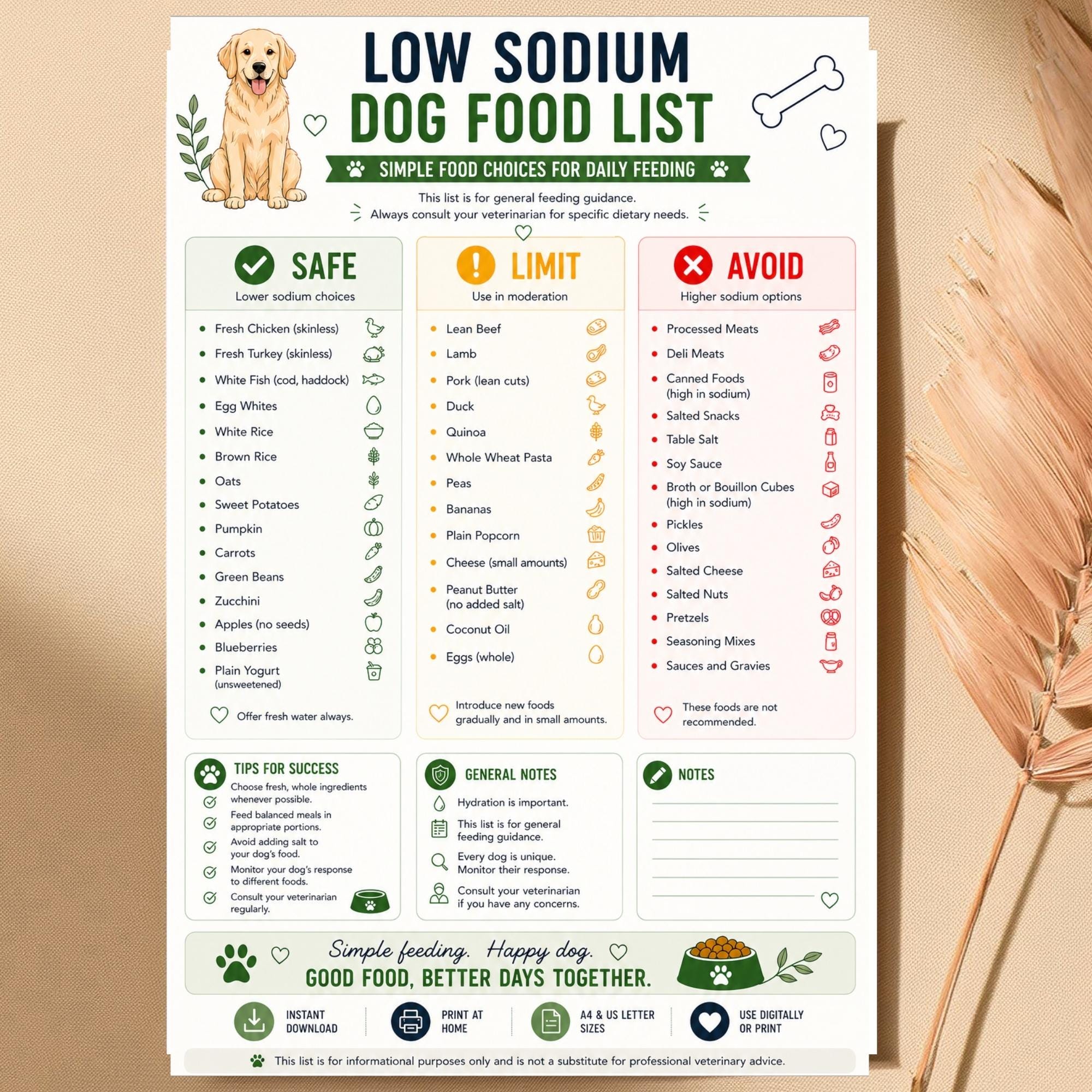




For more expert pet care tips and advice, check out our dedicated Dog Nutrition guides to keep your companions healthy and happy.




