

Introduction
Ensuring a canine companion thrives requires attention to many aspects of care, with diet standing as a fundamental pillar. The concept of “complete nutrition dog food” refers to formulations specifically designed to provide all the essential nutrientsproteins, fats, carbohydrates, vitamins, and mineralsin the correct balance and quantities required for a dog’s health at a particular life stage. Understanding what constitutes complete nutrition is paramount for every dog owner, as it directly impacts a dogs physical health, energy levels, immune system function, and even its coat condition. Ignoring the principles of balanced feeding can lead to deficiencies or excesses that manifest as various health issues, behavioral changes, or a general decline in well-being. By prioritizing a diet offering complete nutrition, owners lay a strong foundation for a dogs longevity and overall quality of life.
💡 Pet Care Key Takeaways:
- Core Focus: Practical health, nutrition, and wellness guidelines for Complete Nutrition Dog Food.
- Target Scope: Pet owners, animal caregivers, and veterinary support staff.
- Best Recommendation: Maintain consistent daily routines and consult an accredited veterinarian before introducing major diet or medical changes.
Common Causes and Key Factors
Achieving complete nutrition in a dog’s diet hinges on several key factors and an understanding of what makes a food truly “complete and balanced.” A primary factor involves adherence to recognized nutritional standards. In regions like the United States and Canada, the Association of American Feed Control Officials (AAFCO) sets nutrient profiles for dog foods, ensuring they meet the minimum and maximum levels of essential nutrients for specific life stages, such as growth, adult maintenance, or gestation/lactation. For more related activities, check out our “Fortiflora” And “Gut Health”.
A genuinely complete diet must provide adequate amounts of macronutrients. High-quality protein supports muscle development and repair. Healthy fats supply concentrated energy and facilitate vitamin absorption, contributing to skin and coat health. Appropriately sourced carbohydrates offer readily available energy for daily activities. Beyond these, micronutrientsa broad spectrum of vitamins and mineralsare crucial for everything from bone health and metabolic functions to immune system strength. Factors such as poor ingredient quality, an imbalanced homemade diet without veterinary nutritionist guidance, or excessive feeding of treats and table scraps can disrupt this delicate nutritional balance, inadvertently preventing a dog from receiving comprehensive sustenance.
Signs and Symptoms to Observe
A dog receiving inadequate or incomplete nutrition often displays a range of observable signs and symptoms. Physical indicators can be quite telling. A dull, dry, or brittle coat that lacks luster, along with flaky or irritated skin, often points to essential fatty acid or vitamin deficiencies. Persistent lethargy, a lack of enthusiasm for play, or a general reduction in energy levels can signal insufficient caloric intake or nutrient malabsorption. Weight issues, whether unexplained loss or difficulty maintaining a healthy weight despite adequate food portions, may indicate a diet lacking essential protein or calories.
Digestive upset, including chronic diarrhea, constipation, or frequent vomiting, can also be a symptom of an unsuitable diet. Furthermore, a weakened immune system, evidenced by recurrent infections or slow wound healing, may stem from a lack of critical vitamins and minerals. These signs can vary in intensity depending on a dogs age, breed, and individual metabolism. For instance, a growing puppy might show stunted growth, while an older dog might experience more pronounced muscle wasting or joint issues when nutrients are suboptimal.
Practical Solutions and Management Strategies
Ensuring a dog receives complete nutrition involves deliberate choices and consistent management. The most crucial step is selecting a high-quality commercial dog food labeled as “complete and balanced” for the dog’s specific life stage by a recognized authority like AAFCO. Careful review of the ingredient list helps identify quality protein sources, healthy fats, and digestible carbohydrates. Avoiding foods with excessive fillers, artificial colors, or unidentifiable ingredients can contribute to better nutritional intake.
Portion control is another vital strategy. Following the feeding guidelines on the dog food packaging, adjusting for activity level, and monitoring body condition score prevent both underfeeding and overfeeding. Life stage considerations are also essential; puppies, adult dogs, senior dogs, and pregnant/lactating females each have unique nutritional requirements that their food must meet. Limiting treats and table scraps to a minimum, ensuring they comprise no more than 10% of a dog’s daily caloric intake, prevents them from unbalancing an otherwise complete diet. Proper storage of dog food in a cool, dry place in an airtight container maintains its freshness and nutrient integrity.
When Professional Help May Be Needed
While diligent observation and careful food selection go a long way, there are specific situations where professional veterinary consultation becomes indispensable. If a dog exhibits persistent signs of nutritional deficiency or excess, such as chronic digestive issues, unexplained weight fluctuations, significant changes in coat quality, or sustained lethargy, a veterinarian’s expertise is crucial. These symptoms could indicate underlying health conditions requiring medical intervention or specific dietary adjustments beyond a standard complete diet.
Veterinarians can perform diagnostic tests to identify specific nutrient deficiencies or imbalances and recommend therapeutic diets tailored to specific health challenges like allergies, kidney disease, diabetes, or sensitive stomachs. For owners considering homemade diets, consulting a board-certified veterinary nutritionist is highly recommended to ensure the diet is truly complete and balanced, as creating a nutritionally adequate homemade meal without expert guidance is exceptionally challenging and often leads to deficiencies. Professional guidance guarantees that dietary changes support a dog’s health without inadvertently causing further issues.
Conclusion
The foundation of a healthy, vibrant life for a canine companion rests significantly on the provision of complete nutrition dog food. This article has highlighted the definition of complete nutrition, the critical factors influencing it, the observable signs of nutritional imbalance, and practical strategies for ensuring a dog’s dietary needs are met. Owners play a pivotal role in selecting appropriate, life-stage-specific foods, understanding label information, and exercising careful portion control. Consistent observation for any changes in a dogs physical condition or behavior is essential, prompting timely consultation with a veterinarian when concerns arise. Prioritizing complete nutrition fosters not only physical health but also contributes to a dogs overall happiness and longevity, reinforcing the bond shared between dogs and their devoted caregivers.
Pet Care & Wellness Overview Table
| Life Stage | Daily Activity Level | Key Nutrition / Care Focus |
|---|---|---|
| Puppy / Kitten | High (frequent short bursts) | High-protein growth diet & early socialization |
| Adult Companion | Moderate (30–60 mins daily) | Balanced maintenance nutrition & dental hygiene |
| Senior Pets | Low to Gentle (mindful walks) | Joint support (Glucosamine) & routine vet checks |
Images References


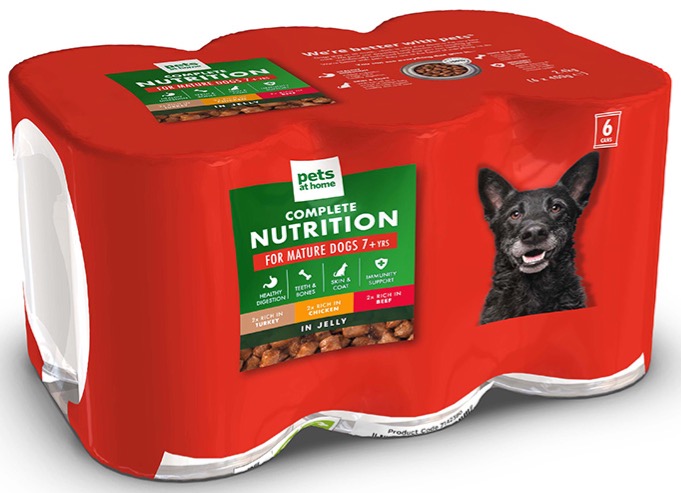


For more expert pet care tips and advice, check out our dedicated Dog Nutrition guides to keep your companions healthy and happy.




