

Introduction
The well-being of canine companions is a paramount concern for dedicated pet owners. In the pursuit of optimal health and nutrition, various supplements are explored, one of which is nutritional yeast for dogs. This deactivated form of yeast, often recognized for its cheesy flavor and robust nutrient profile, has gained attention in the pet community. Understanding what nutritional yeast is and its potential role in a dog’s diet is crucial for making informed decisions about supplementation. This topic commonly arises as owners seek natural ways to support their dog’s immune system, skin, coat, and overall vitality. By delving into the properties and applications of nutritional yeast, owners can better understand its place in canine nutrition, potentially enhancing their dogs health and contributing to a higher quality of life.
💡 Pet Care Key Takeaways:
- Core Focus: Practical health, nutrition, and wellness guidelines for Nutritional Yeast For Dogs.
- Target Scope: Pet owners, animal caregivers, and veterinary support staff.
- Best Recommendation: Maintain consistent daily routines and consult an accredited veterinarian before introducing major diet or medical changes.
Common Causes and Key Factors
The interest in nutritional yeast for dogs stems from its rich composition and the desire of owners to provide comprehensive dietary support. A primary factor is its impressive nutrient content. Nutritional yeast is a powerhouse of B vitamins, including B1 (thiamine), B2 (riboflavin), B3 (niacin), B5 (pantothenic acid), B6 (pyridoxine), and B9 (folate), and often fortified with B12 (cobalamin). These vitamins play critical roles in metabolism, nerve function, and red blood cell production. For more related activities, check out our Ol Roy Ingredients List.
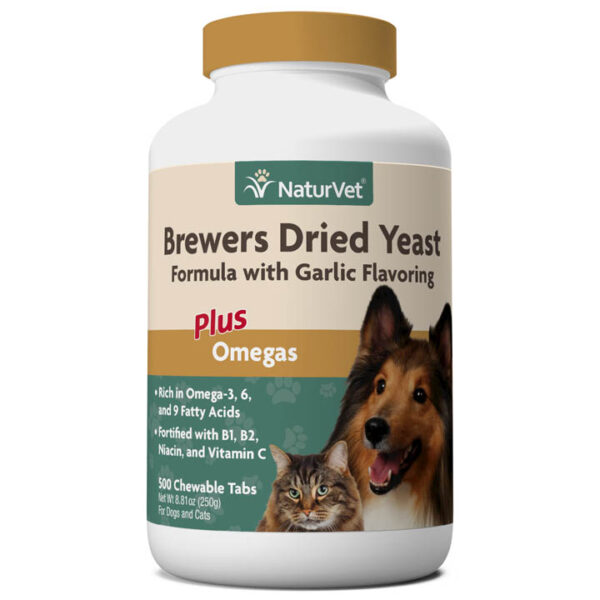
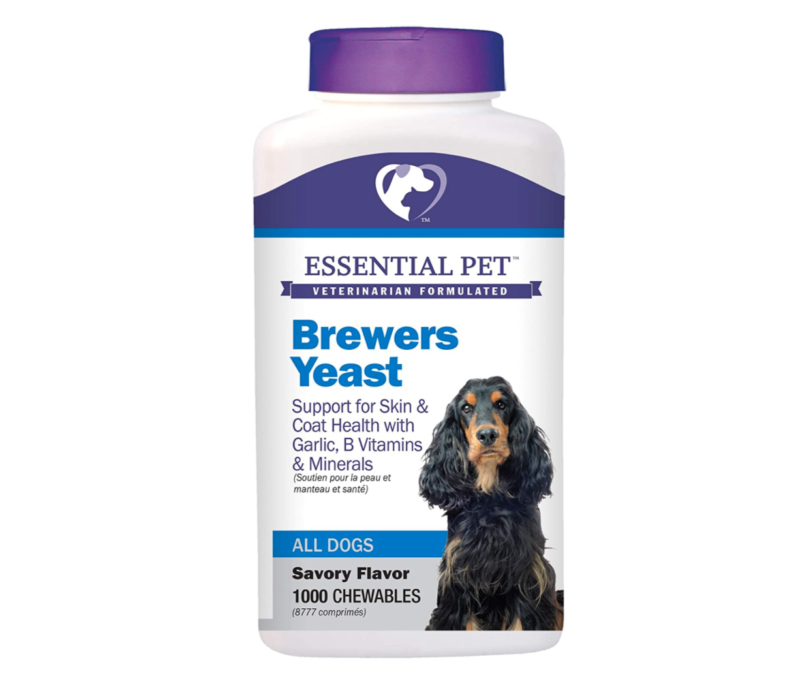
Beyond B vitamins, this supplement also contains essential amino acids, making it a source of complete protein, along with trace minerals like zinc, selenium, and iron. Its distinction from active brewer’s yeast or baking yeast is vital; nutritional yeast is deactivated, meaning it cannot cause fermentation or yeast infections in the body. This deactivation makes it safe for consumption by dogs when used appropriately. Owners might consider incorporating nutritional yeast to address specific needs such as supporting a healthy skin and coat, bolstering the immune system, aiding digestion, or providing an energy boost, particularly in dogs with active lifestyles or those requiring additional nutritional support. The growing trend towards holistic and natural pet care also contributes to its popularity.
Signs and Symptoms to Observe
When considering or administering nutritional yeast for dogs, observing any changes in a dog’s health or behavior is an important aspect of responsible pet ownership. On the positive side, signs of potential benefit might include a noticeable improvement in coat luster and softness, which can be attributed to the B vitamins and trace minerals supporting skin health. Dogs may also exhibit increased energy levels or a more robust appetite, potentially linked to improved metabolic function. For dogs with minor digestive sensitivities, a subtle improvement in stool quality or reduced occasional gas might be observed due to the supplement’s fiber content and potential prebiotic effects.
Conversely, it is also important to monitor for any adverse reactions, although these are rare when introduced correctly. Overly rapid introduction or excessive amounts of any new supplement, including nutritional yeast, can sometimes lead to mild digestive upset, such as increased flatulence or loose stools. Allergy symptoms, while uncommon, could manifest as skin irritation, itching, or swelling. These signs typically indicate that the supplement may not agree with the individual dog or that the dosage needs adjustment. Observations should be consistent across various breeds and ages, with a keen eye on any departure from the dogs usual baseline health.
Practical Solutions and Management Strategies
Successfully integrating nutritional yeast for dogs into their diet involves careful planning and observation. The most common method of administration is to sprinkle the flakes or powder directly onto a dogs regular food. For dry kibble, moistening the food slightly can help the yeast adhere better, preventing it from settling at the bottom of the bowl. When preparing homemade diets, it can be mixed directly into the food components.
Starting with a very small amount is crucial, typically a quarter to half a teaspoon for small dogs and gradually increasing to one to two teaspoons for larger breeds, over a period of several days to a week. This gradual introduction allows the dog’s digestive system to adjust and minimizes the risk of gastrointestinal upset. It is advisable to choose a high-quality, human-grade nutritional yeast that is unfortified or specifically fortified with dog-safe vitamins, and ideally non-GMO. Regular monitoring of the dogs stools, energy levels, and skin condition will help determine the optimal dosage and ensure the supplement is well-tolerated and beneficial. Storage in an airtight container in a cool, dry place helps maintain its potency and freshness. Nutritional yeast should be viewed as a supplement to a balanced diet, not a replacement for essential nutrients provided by high-quality dog food.
When Professional Help May Be Needed
While nutritional yeast for dogs is generally considered safe, there are specific circumstances where professional veterinary consultation is highly recommended. Before introducing any new supplement, particularly if a dog has pre-existing health conditions such as kidney disease, liver disease, or a history of yeast allergies, a veterinarian should be consulted. Some formulations of nutritional yeast are fortified with additional vitamins and minerals, which, in combination with a dog’s regular diet, could potentially lead to an over-supplementation of certain nutrients, making professional guidance invaluable.
If a dog exhibits persistent adverse reactions after starting nutritional yeast, such as prolonged digestive upset (vomiting, diarrhea, severe gas), significant skin irritation, or any unusual behavioral changes, immediate veterinary attention is warranted. These symptoms might indicate an intolerance, an allergic reaction, or an underlying health issue unrelated to the supplement. Moreover, if an owner is attempting to address a significant health concern or suspected nutritional deficiency with supplements, a comprehensive veterinary examination and dietary assessment are essential to ensure the correct cause is identified and an appropriate, safe, and effective treatment plan is implemented.
Conclusion
Exploring supplements like nutritional yeast for dogs reflects a conscientious approach to canine health. This unique deactivated yeast offers a spectrum of B vitamins, protein, and minerals, making it an appealing option for owners seeking to enhance their dogs nutritional intake. When introduced carefully and monitored closely, nutritional yeast can contribute positively to a dog’s skin, coat, immune system, and overall vitality. However, awareness of appropriate dosages, gradual introduction, and the importance of selecting high-quality products are paramount for safety and efficacy. Responsible pet ownership dictates that all dietary changes and new supplements are considered in consultation with a veterinarian, especially when a dog has existing health concerns. By combining informed decisions with professional guidance, owners can confidently navigate the world of canine supplements, ensuring their beloved companions thrive with optimal health and well-being.
Pet Care & Wellness Overview Table
| Life Stage | Daily Activity Level | Key Nutrition / Care Focus |
|---|---|---|
| Puppy / Kitten | High (frequent short bursts) | High-protein growth diet & early socialization |
| Adult Companion | Moderate (30–60 mins daily) | Balanced maintenance nutrition & dental hygiene |
| Senior Pets | Low to Gentle (mindful walks) | Joint support (Glucosamine) & routine vet checks |
Images References





For more expert pet care tips and advice, check out our dedicated Dog Nutrition guides to keep your companions healthy and happy.




