
Understanding the Financial Investment for Canine Behavioral Guidance
According to the American Society for the Prevention of Cruelty to Animals, behavioral issues remain one of the primary reasons dogs are relinquished to shelters, making professional intervention a vital step for keeping households harmonious. Navigating canine conduct challenges requires patience, consistency, and often, professional expertise. When local parks become battlegrounds of reactivity or household furniture turns into chew toys, seeking specialized help transforms domestic chaos into peace. Realizing that guidance is necessary is simple, but budgeting for professional expertise requires a clear breakdown of market rates. Every professional brings a unique set of credentials, geographical pricing tiers, and session structures that influence overall expenses.
💡 Pet Care Key Takeaways:
- Core Focus: Practical health, nutrition, and wellness guidelines for Cost To Hire Dog Behaviorist.
- Target Scope: Pet owners, animal caregivers, and veterinary support staff.
- Best Recommendation: Maintain consistent daily routines and consult an accredited veterinarian before introducing major diet or medical changes.
What Financial Factors Shape Dog Behavior Professional Pricing
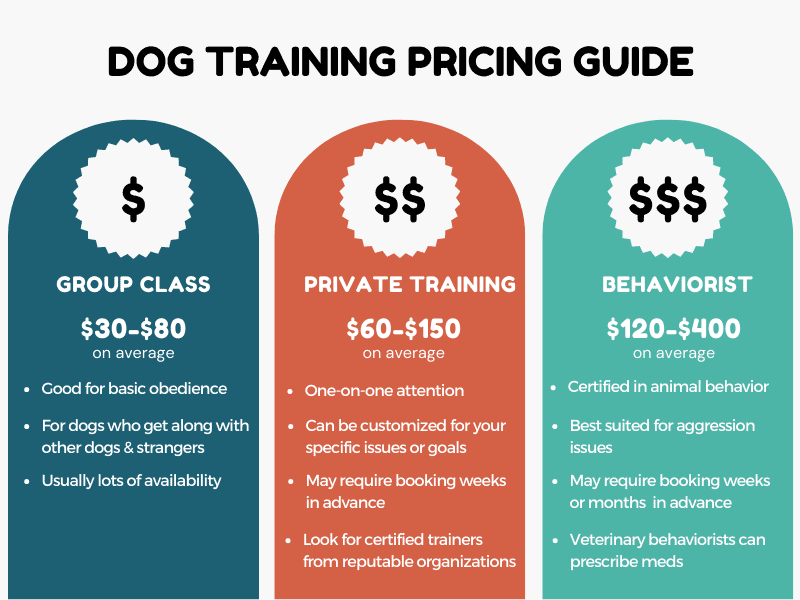
The cost to hire dog behaviorist services typically spans from fifty to two hundred and fifty dollars per hour, depending on credentialing and region. Professional fees reflect advanced education, specialized certifications, and hands-on experience in resolving complex psychological issues like severe anxiety or aggression. Unlike basic obedience instructors who teach fundamental commands like sit and stay, a certified applied animal behaviorist or a board-certified veterinary behaviorist holds advanced university degrees in animal science, zoology, or veterinary medicine. Consequently, these credentials command higher rates due to the scientific depth required to diagnose and treat abnormal conduct.
Evaluating the Direct Impact on Household Harmony and Wellness
Investing in professional behavioral modification directly safeguards the emotional and physical well-being of the animal, preventing chronic stress that can manifest as physiological ailments. Chronic anxiety often triggers stress-related physical conditions, underscoring the deep connection between mental stability and Dog Health. When a canine exhibits compulsive chewing, incessant barking, or destructive panic during thunderstorms, the entire household experiences elevated tension. Experienced handlers observe that dogs undergoing behavioral therapy often display improved digestive health and more relaxed sleep patterns once underlying fears are properly addressed.
Behavioral modification significantly reduces stress-related veterinary visits by treating the psychological root cause of canine distress — American Veterinary Medical Association
Implementing Structured Modification Plans Within a Budget
Managing the expense of professional intervention involves choosing the right service format, such as package deals, group workshops, or virtual consultations. Initial consultations are usually the most expensive appointment because they involve a comprehensive history intake and environmental assessment. Following this deep-dive evaluation, many practitioners offer discounted multi-session bundles that lower the per-hour investment. Furthermore, combining private sessions with specialized Dog Training classes helps reinforce positive habits without continuously paying top-tier behaviorist rates.
Strategic Approaches and Common Financial Pitfalls to Avoid
Prioritizing credentials over low pricing prevents wasted funds on ineffective, punishment-based methods that frequently worsen fear and anxiety. In practice, working through barrier frustration on walks requires precise timing and positive reinforcement rather than quick-fix correction collars, which can escalate aggression. Selecting a practitioner who lacks formal accreditation often leads to prolonged behavioral struggles and higher cumulative expenses. Careful vetting ensures that every dollar spent contributes directly to sustainable, science-backed rehabilitation.
Force-free behavioral intervention is proven to resolve reactivity faster and more permanently than aversive methods — American Kennel Club
Pet Care & Wellness Overview Table
| Life Stage | Daily Activity Level | Key Nutrition / Care Focus |
|---|---|---|
| Puppy / Kitten | High (frequent short bursts) | High-protein growth diet & early socialization |
| Adult Companion | Moderate (30–60 mins daily) | Balanced maintenance nutrition & dental hygiene |
| Senior Pets | Low to Gentle (mindful walks) | Joint support (Glucosamine) & routine vet checks |
Images References


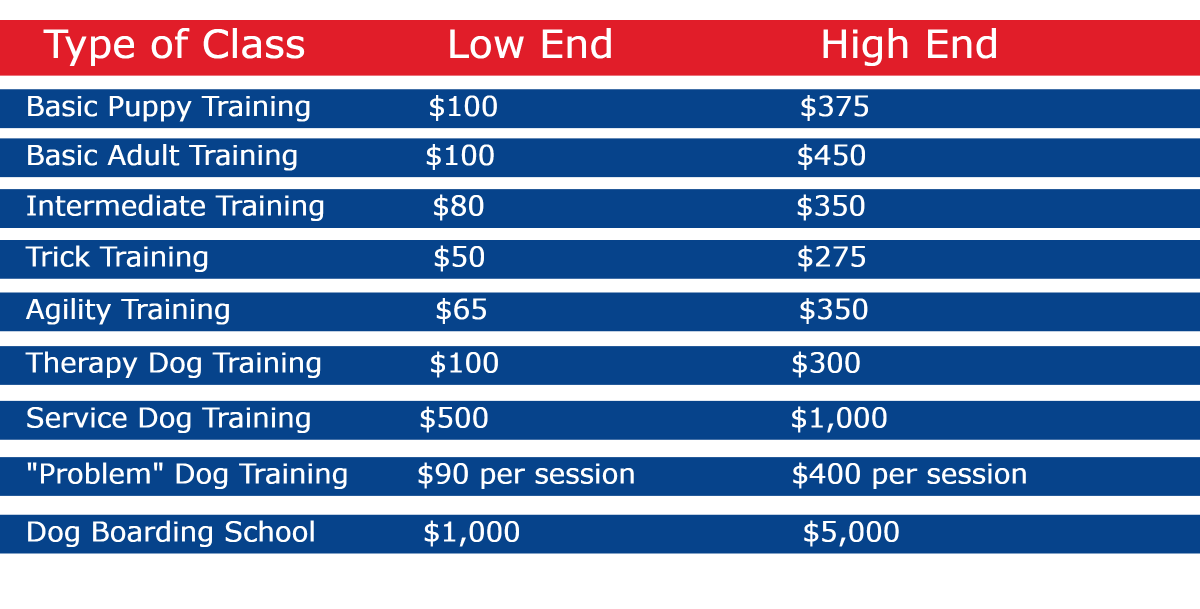



Breed, Age, and Temperament Variables Influencing Service Expenses
Individual dog characteristics, including genetic background, life stage, and innate temperament, directly influence the length and complexity of the rehabilitation process. Working alongside a Dog Breeds specialist helps owners understand instinctual traits, such as herding drives or guardian instincts, that manifest as unwanted behaviors in a modern domestic setting. Senior dogs experiencing cognitive decline require specialized behavioral management plans that differ significantly from adolescent puppies navigating boundary-testing phases. Tailoring the intervention strategy to match the specific physiological and psychological profile of the animal ensures a more efficient allocation of financial resources.
When to Consult a Veterinary Professional for Severe Behavioral Shifts
Sudden behavioral changes always warrant an immediate veterinary examination to rule out underlying pain, neurological disorders, or metabolic disease before hiring a behaviorist. If a previously gentle animal begins growling when touched, an underlying medical issue is often the primary culprit rather than simple disobedience. Collaborating closely with licensed medical staff ensures that physical ailments are treated alongside psychological rehabilitation. Professional behavioral modification should always complement, rather than replace, comprehensive veterinary care to guarantee the safety and health of the animal.
Securing Long-Term Guidance Through Trusted Community Resources
Balancing financial investment with expert care ensures that every canine companion receives the structured support necessary to thrive in a domestic environment. Exploring broader educational resources provides additional insight into daily Dog Care routines that reinforce professional guidance at home. Readers are encouraged to continue exploring expert advice and comprehensive guides available across PetsAnimalsWorld.com to support lifelong animal wellness. Building a stable, confident relationship with a canine companion is a rewarding journey rooted in understanding, patience, and informed professional support.




