

Introduction
Understanding a dog’s anatomy is fundamental to providing optimal care, and this includes a keen awareness of their dentition. The term “dental formula for dogs” refers to a standardized numerical representation indicating the number and type of teeth present in a dog’s mouth. This formula serves as a vital diagnostic tool and a benchmark for assessing dental health, whether observing the delicate deciduous teeth of a growing puppy or the robust permanent teeth of an adult dog. Grasping the intricacies of this formula helps dog owners identify normal development, detect potential anomalies early, and maintain a proactive approach to oral hygiene. By recognizing what constitutes a healthy set of teeth, dog owners can significantly contribute to their canine companions overall well-being, mitigate pain, prevent serious health issues, and ensure a comfortable quality of life.
💡 Pet Care Key Takeaways:
- Core Focus: Practical health, nutrition, and wellness guidelines for Dental Formula For Dogs.
- Target Scope: Pet owners, animal caregivers, and veterinary support staff.
- Best Recommendation: Maintain consistent daily routines and consult an accredited veterinarian before introducing major diet or medical changes.
Common Causes and Key Factors
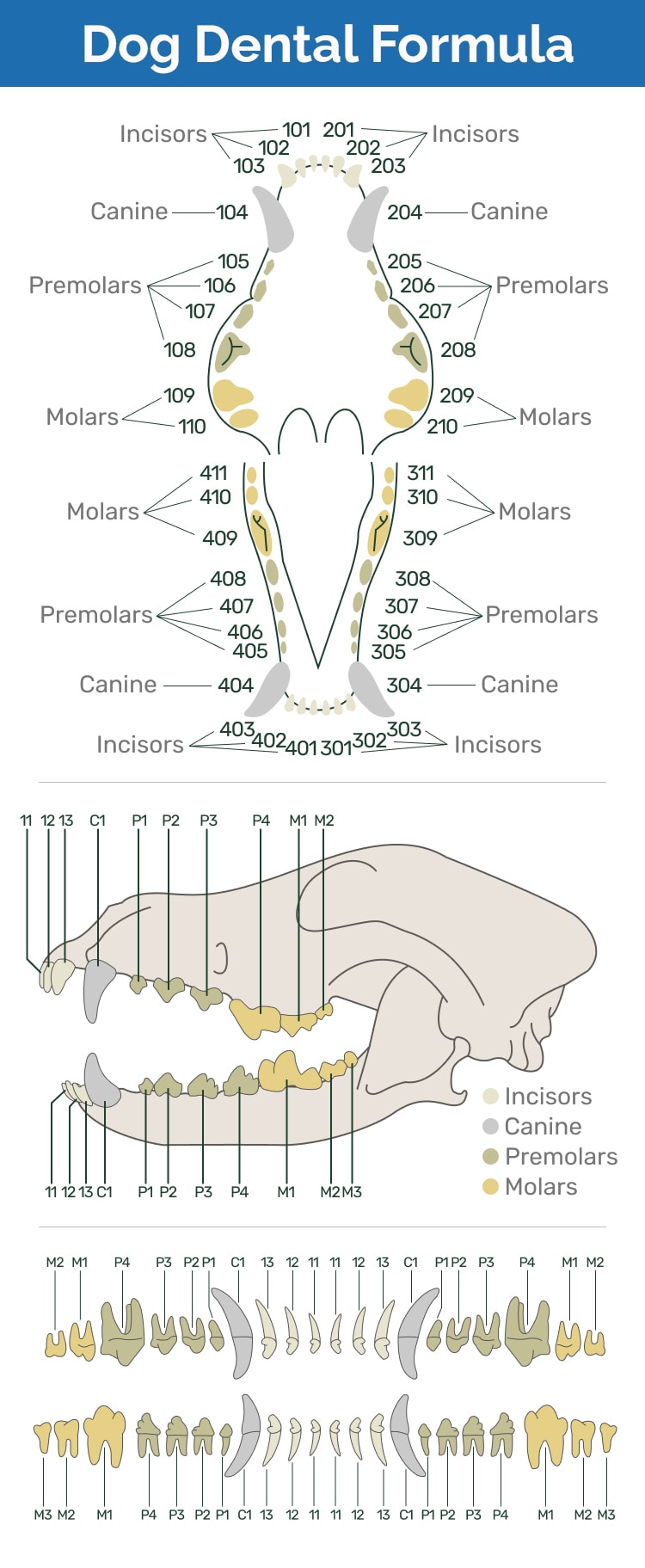
The dental formula in dogs is primarily influenced by age and genetics, with distinct differences between puppies and adult canines. Puppies are born without visible teeth, but soon develop a set of temporary, or deciduous, teeth. The typical deciduous dental formula for dogs is expressed as 2 x (I 3/3, C 1/1, P 3/3) = 28 teeth. This indicates three incisors, one canine, and three premolars on each side of both the upper and lower jaws. For more related activities, check out our Home Remedy For Dog With Struvite Crystals.
As a dog matures, these deciduous teeth are gradually replaced by a permanent set. The adult dental formula for dogs is 2 x (I 3/3, C 1/1, P 4/4, M 2/3) = 42 teeth. This comprises three incisors, one canine, four premolars, and two molars on each side of the upper jaw, and three incisors, one canine, four premolars, and three molars on each side of the lower jaw. This transition usually occurs between three and six months of age.
Genetic predisposition can play a significant role in deviations from the standard formula. Certain breeds, particularly brachycephalic (short-nosed) breeds like Bulldogs or Pugs, may exhibit crowding, malocclusions (improper bite alignment), or even missing teeth due to their skull structure. Conversely, some breeds might be prone to supernumerary teeth (extra teeth) or retained deciduous teeth, where the puppy teeth fail to fall out as the permanent teeth emerge. Environmental factors, though less direct on the formula itself, can impact the health of the teeth once they are present, with diet and chewing habits influencing wear and tear.
Signs and Symptoms to Observe
Observing a dog’s mouth regularly is crucial for detecting early signs of dental issues or deviations from the expected dental formula. One primary indicator is the presence of retained deciduous teeth, especially in puppies aged five to seven months. If a puppy tooth remains in the gum line after the permanent tooth has begun to erupt in the same position, it creates crowding and can lead to malocclusion, food trapping, and early onset of periodontal disease.
Missing teeth, a condition known as oligodontia, can be identified by carefully counting the teeth against the standard dental formula. Conversely, the appearance of supernumerary teeth, or extra teeth beyond the expected count, also warrants attention as they can lead to similar problems of crowding and misalignment.
Other observable signs include unusual spacing between teeth, rotated teeth, or any visible malformation. While not directly altering the count, malocclusions such as an overbite, underbite, or crossbite can be visually apparent and often correlate with underlying structural or genetic factors that might also influence tooth presence or position. Difficulty chewing, reluctance to play with toys, pawing at the mouth, bad breath, or visible tartar accumulation may also indirectly signal a foundational dental issue related to the formula or eruption process.
Practical Solutions and Management Strategies
Maintaining a dog’s dental health requires consistent and proactive management. For puppies, it is essential to monitor the eruption of permanent teeth and the shedding of deciduous teeth. Regular gentle examination of a puppy’s mouth can help identify retained deciduous teeth early. If a permanent tooth begins to emerge and the corresponding puppy tooth has not fallen out, it creates an abnormal situation that needs attention.
Daily dental care, such as brushing with dog-specific toothpaste and a soft brush, significantly helps prevent plaque and tartar buildup on the correctly formed dentition. Introducing this routine early can make it a positive experience. Dental-specific diets, chews, and water additives can also complement brushing by helping to reduce plaque and maintain healthy gums.
Appropriate chew toys are beneficial for dental health, but their selection must be made carefully to prevent tooth fractures. Toys that are too hard, such as real bones, antlers, or nylon bones, can damage teeth. Opting for softer, flexible rubber toys or those designed specifically for dental cleaning can provide stimulation without risk. Routine at-home oral inspections allow owners to become familiar with their dog’s normal mouth structure and quickly spot any anomalies, such as broken teeth, excessive wear, or any signs of pain or inflammation.
When Professional Help May Be Needed
While diligent home care is invaluable, certain situations necessitate professional veterinary intervention. If a dog owner observes retained deciduous teeth, especially once the permanent teeth have started to erupt, a veterinary consultation is crucial. Extraction of these retained teeth is often necessary to prevent malocclusion and periodontal disease. Similarly, if there is suspicion of missing teeth (oligodontia) or extra teeth (supernumerary teeth), a veterinarian can confirm the issue through examination and X-rays and recommend appropriate action.
Any signs of pain or discomfort in the mouth, such as difficulty eating, sensitivity, pawing at the face, or excessive drooling, warrant immediate veterinary attention. Swelling around the face or jaw, visible bleeding from the mouth, or persistent bad breath (halitosis) can indicate underlying dental disease or infection requiring professional treatment.
Routine veterinary dental check-ups, often annually, are indispensable. These examinations allow professionals to assess the overall oral health, identify developmental abnormalities, and recommend professional dental cleanings under anesthesia when necessary. These cleanings enable thorough scaling and polishing of all tooth surfaces, including those below the gum line, and address any significant issues that might compromise a dog’s long-term dental health.
Conclusion
The dental formula for dogs is more than just a numerical count; it is a fundamental blueprint for understanding canine oral health. Recognizing the normal number and type of teeth at different life stages empowers dog owners to be proactive in their pet’s care. From monitoring puppy tooth eruption to observing the integrity of adult dentition, this knowledge forms the basis for preventing and addressing dental issues. Consistent home care combined with regular professional veterinary check-ups and cleanings creates a robust strategy for maintaining optimal dental health. An awareness of the dental formula, coupled with vigilant observation and timely professional intervention, ensures a healthy mouth, contributing significantly to a dog’s overall comfort, health, and happiness throughout its life.
Pet Care & Wellness Overview Table
| Life Stage | Daily Activity Level | Key Nutrition / Care Focus |
|---|---|---|
| Puppy / Kitten | High (frequent short bursts) | High-protein growth diet & early socialization |
| Adult Companion | Moderate (30–60 mins daily) | Balanced maintenance nutrition & dental hygiene |
| Senior Pets | Low to Gentle (mindful walks) | Joint support (Glucosamine) & routine vet checks |
Images References




For more expert pet care tips and advice, check out our dedicated Dog Health guides to keep your companions healthy and happy.


