
Introduction
Maintaining optimal health for canine companions often involves careful attention to their diet. Among the many nutritional components, dietary fiber plays a crucial, though sometimes overlooked, role in a dog’s well-being. Dietary fiber supplements for dogs are specialized products designed to enhance a dog’s intake of this essential nutrient, addressing various health needs from digestive regularity to weight management. Understanding when and why fiber supplementation might be beneficial can significantly improve a dog’s gastrointestinal health, stabilize blood sugar, and contribute to a healthier weight, thereby enhancing overall quality of life. This topic is particularly relevant for owners observing inconsistent stool quality, struggling with their dog’s weight, or managing certain chronic health conditions that respond well to increased fiber.
💡 Pet Care Key Takeaways:
- Core Focus: Practical health, nutrition, and wellness guidelines for Dietary Fiber Supplements For Dogs.
- Target Scope: Pet owners, animal caregivers, and veterinary support staff.
- Best Recommendation: Maintain consistent daily routines and consult an accredited veterinarian before introducing major diet or medical changes.
Common Causes and Key Factors
The need for dietary fiber supplements in dogs typically arises from several factors, primarily related to their diet and individual health status. Many commercial dog foods, while balanced in other aspects, may not always contain optimal levels or types of fiber for every dogs specific needs. Home-prepared diets, if not carefully formulated, can also be deficient in sufficient fiber. For more related activities, check out our Tibetan Mastiff Food Aggression.
Beyond general dietary considerations, specific health conditions are key indicators for fiber supplementation. Chronic constipation, often characterized by infrequent or difficult bowel movements, can be mitigated by increased fiber intake, particularly soluble fibers which soften stools. Conversely, certain types of diarrhea can also benefit from fiber, as it helps regulate intestinal motility and absorb excess water. Anal gland issues, a common ailment where glands struggle to naturally express, often improve with bulkier, firmer stools produced by adequate fiber.
Obesity and diabetes are two other significant health concerns where fiber plays a vital role. Fiber promotes satiety, helping dogs feel fuller for longer and reducing overall calorie intake, which aids in weight management. For diabetic dogs, fiber can help stabilize blood sugar levels by slowing the absorption of glucose. The type of fiber is also crucial; soluble fiber ferments in the gut, supporting beneficial gut bacteria, while insoluble fiber adds bulk to stool, aiding transit. Age can also be a factor, as older dogs may experience slower digestion or changes in nutrient absorption, making fiber even more important.
Signs and Symptoms to Observe
Recognizing the signs that a dog might benefit from dietary fiber supplementation involves careful observation of bowel habits, weight, and general demeanor. One of the most common indicators is inconsistent stool quality. Dogs experiencing frequent bouts of either constipation, characterized by straining, small, hard stools, or infrequent defecation, or chronic diarrhea, indicated by loose, watery stools, could benefit from fiber adjustments.
Anal gland discomfort is another significant sign. Dogs may exhibit scooting behavior, excessive licking around the hindquarters, or difficulty sitting due to discomfort, all of which can point to issues with anal gland expression, often improved by firmer stools resulting from adequate fiber.
Weight management challenges also suggest a potential need for dietary modifications including fiber. Dogs that seem perpetually hungry, struggle to lose weight despite reduced calorie intake, or gain weight easily might benefit from the increased satiety fiber provides. For dogs diagnosed with diabetes, poorly controlled blood sugar levels, even with medication, can sometimes be an indicator that dietary fiber could assist in better glucose regulation.
These signs can vary based on a dog’s age, breed, and existing health conditions. For instance, some breeds are predisposed to digestive sensitivities, while older dogs may naturally have slower digestive systems. Consistent observation and tracking of these behaviors and physical changes are key to identifying when a dietary adjustment, such as the introduction of fiber supplements, might be appropriate.
Practical Solutions and Management Strategies
Addressing a dog’s fiber needs involves a structured approach, starting with an evaluation of the current diet and then considering appropriate supplementation or dietary adjustments. The first step involves reviewing the ingredients and fiber content of the dogs regular food. Some commercial diets are specifically formulated to be high in fiber for weight management or digestive health.
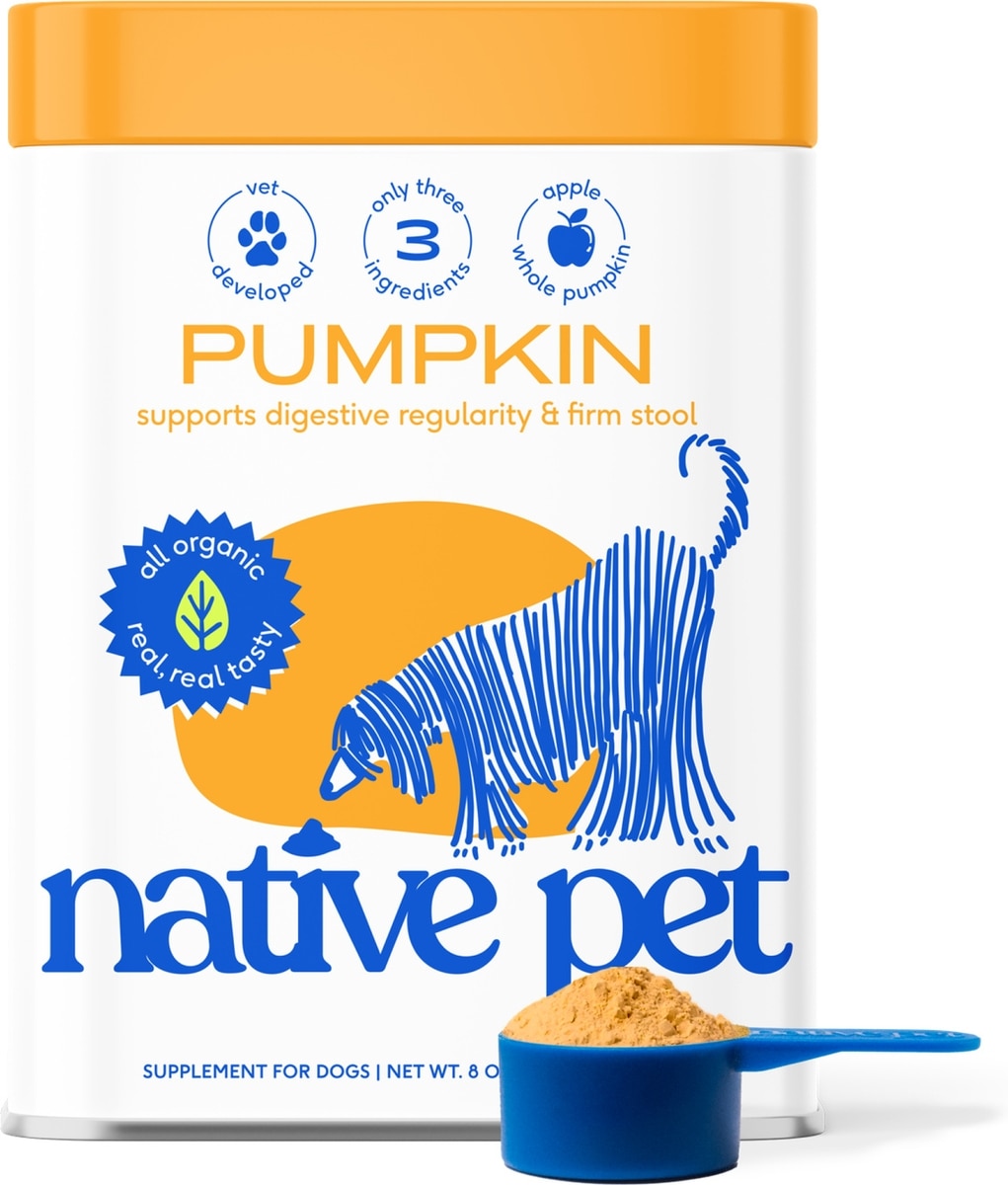
Incorporating natural fiber sources into a dog’s diet can be a simple and effective strategy. Cooked pumpkin (plain, not pie filling), green beans, carrots, and sweet potatoes are excellent sources of dietary fiber that many dogs enjoy. A small amount of unsweetened applesauce can also add fiber. For targeted supplementation, psyllium husk is a widely recognized and effective source of both soluble and insoluble fiber. Other beneficial ingredients in commercial supplements include beet pulp, FOS (fructooligosaccharides), and inulin.
When choosing a dietary fiber supplement, it is important to select products specifically formulated for dogs and to introduce them gradually. Starting with a small amount and slowly increasing the dosage over several days helps the dogs digestive system adjust and minimizes potential gastrointestinal upset. Dosage should always be based on the dog’s weight and individual needs, ideally following veterinary guidance. Ensuring a dog has constant access to fresh water is also crucial, as fiber absorbs water in the digestive tract, and insufficient hydration can worsen constipation.
Beyond dietary adjustments, maintaining a routine of regular exercise supports overall digestive health and can aid in bowel regularity. A consistent schedule for feeding and walks also contributes to a stable digestive system. Implementing these strategies can significantly improve a dog’s digestive function and general well-being.
When Professional Help May Be Needed
While dietary fiber supplements can be highly beneficial for managing certain canine health issues, it is crucial to recognize when veterinary intervention is necessary. Persistent digestive problems, such as chronic constipation or diarrhea that do not resolve with dietary adjustments and over-the-counter supplements, warrant a professional evaluation. These symptoms could indicate underlying medical conditions that require specific diagnosis and treatment beyond simple fiber supplementation.
Sudden, severe changes in bowel habits, accompanied by other signs of illness like lethargy, vomiting, loss of appetite, or abdominal pain, should prompt an immediate visit to the veterinarian. These could be indicators of more serious issues such as obstructions, infections, or inflammatory bowel disease. Similarly, if a dog frequently experiences anal gland impactions or infections, or displays ongoing discomfort around the hindquarters despite fiber adjustments, a vet can manually express the glands and rule out other contributing factors.
Before initiating any new dietary fiber supplement, especially if a dog has pre-existing health conditions like diabetes, kidney disease, or is on other medications, consultation with a veterinarian is strongly recommended. A vet can provide guidance on the most appropriate type and dosage of fiber, ensuring it complements existing treatments and does not interact negatively with other medications. They can also conduct diagnostic tests to identify the root cause of symptoms, allowing for a targeted and effective management plan. Professional insight helps ensure a dogs safety and promotes the most effective path to improved health.
Conclusion
Dietary fiber plays an indispensable role in maintaining the health and comfort of canine companions, impacting everything from digestive regularity to weight management and blood sugar control. Understanding the benefits of dietary fiber supplements for dogs empowers owners to proactively address common issues like constipation, diarrhea, anal gland problems, and even support the management of conditions such as obesity and diabetes. By carefully observing a dog’s behavior and physical signs, owners can identify potential fiber deficiencies or needs. Implementing practical solutions, whether through natural food sources or specialized supplements, can significantly enhance a dogs well-being. However, the importance of professional veterinary consultation cannot be overstated, especially when symptoms are severe, persistent, or accompanied by other health concerns. Through informed decisions and consistent care, every dog can experience improved digestive health and an elevated quality of life, reflecting the commitment to their overall well-being.
Pet Care & Wellness Overview Table
| Life Stage | Daily Activity Level | Key Nutrition / Care Focus |
|---|---|---|
| Puppy / Kitten | High (frequent short bursts) | High-protein growth diet & early socialization |
| Adult Companion | Moderate (30–60 mins daily) | Balanced maintenance nutrition & dental hygiene |
| Senior Pets | Low to Gentle (mindful walks) | Joint support (Glucosamine) & routine vet checks |
Images References


For more expert pet care tips and advice, check out our dedicated Dog Nutrition guides to keep your companions healthy and happy.




