

Introduction
The well-being of canine companions is a primary concern for devoted pet owners. A common challenge encountered in canine care involves allergies, which can manifest in various uncomfortable ways. “Dog allergy chews” represent a specialized category of supplements formulated to help alleviate these allergic reactions and improve a dog’s overall comfort. These chewable supplements are designed to target the underlying mechanisms of allergies, providing relief from symptoms such as persistent itching, skin irritation, and digestive upset. Understanding the role and benefits of dog allergy chews is crucial for owners seeking to enhance their dogs quality of life, mitigate discomfort, and promote healthier skin and a stronger immune system.
💡 Pet Care Key Takeaways:
- Core Focus: Practical health, nutrition, and wellness guidelines for Dog Allergy Chews.
- Target Scope: Pet owners, animal caregivers, and veterinary support staff.
- Best Recommendation: Maintain consistent daily routines and consult an accredited veterinarian before introducing major diet or medical changes.
Common Causes and Key Factors
Canine allergies stem from a variety of sources, triggering an immune response that leads to noticeable symptoms. Environmental allergens are a frequent culprit, including pollen from trees, grasses, and weeds, as well as dust mites, mold spores, and dander. These airborne particles can cause seasonal or year-round discomfort. For more related activities, check out our Home Remedy For Dog With Struvite Crystals.
Food allergies or sensitivities represent another significant factor. While often mistaken for intolerances, true food allergies involve an immune reaction to specific proteins, commonly found in ingredients like beef, chicken, dairy, wheat, or soy. Less common but equally irritating are contact allergies, which occur when a dog’s skin comes into direct contact with irritating substances such as certain cleaning products, shampoos, or fabrics. Lastly, flea allergy dermatitis (FAD) is a severe allergic reaction to the saliva of fleas, where even a single bite can trigger intense itching and discomfort.
Several factors influence the predisposition and severity of allergies in dogs. Genetic predisposition plays a significant role, with certain breeds such as Golden Retrievers, Labrador Retrievers, French Bulldogs, and Boxers showing a higher propensity for developing allergic conditions. A dog’s age and the strength of its immune system also impact how it responds to allergens. A compromised gut microbiome, for instance, can sometimes exacerbate allergic responses, highlighting the interconnectedness of various bodily systems.
Signs and Symptoms to Observe
Recognizing the signs of allergies in dogs is the first step toward effective management. The most common indicators typically involve dermatological issues. Excessive scratching, licking, or biting, particularly of the paws, flanks, and base of the tail, are strong clues. Persistent rubbing of the face and ears against furniture or carpets also suggests irritation.
The skin itself may show signs such as redness, rashes, pustules, scabs, and flakiness. Chronic hot spots, which are localized areas of moist, inflamed skin caused by continuous licking and chewing, are also frequently observed. Hair loss, thinning coat, or a greasy, dull coat can further indicate an underlying allergic condition.
Ear infections are another prevalent symptom, often appearing as recurrent redness, inflammation, odor, or discharge from the ear canal. Dogs with ear allergies may shake their heads frequently or paw at their ears. While less common, some dogs may exhibit respiratory symptoms like sneezing or watery eyes, particularly with environmental allergens. Digestive upset, including vomiting, diarrhea, or excessive gas, is more indicative of food sensitivities or allergies. The manifestation of these signs can vary based on the dog’s breed and individual sensitivity levels, with some experiencing mild, seasonal issues and others enduring chronic, severe discomfort.
Practical Solutions and Management Strategies
Managing canine allergies requires a multifaceted approach, with dog allergy chews often playing a supportive role. These supplements typically contain ingredients known for their anti-inflammatory, immune-modulating, and skin-supporting properties.
Common beneficial ingredients found in allergy chews include Omega-3 fatty acids (EPA and DHA), sourced from fish oil, which are crucial for reducing inflammation and supporting skin barrier function. Probiotics and prebiotics help to maintain a healthy gut microbiome, which is intrinsically linked to immune health and can reduce the severity of allergic responses. Antioxidants like quercetin, a natural antihistamine, and vitamin C can help neutralize free radicals and modulate immune reactions. Other ingredients, such as colostrum, mushrooms (e.g., reishi), and certain herbs, are often included for their immune-boosting and anti-inflammatory effects.
When selecting dog allergy chews, it is advisable to look for products with high-quality, scientifically backed ingredients and clear dosing instructions. Consistency is key for observing benefits; these chews typically need to be administered regularly over a period of weeks or months.
Beyond supplementation, lifestyle and environmental adjustments are critical. For environmental allergies, regular bathing with hypoallergenic shampoos can remove allergens from the coat, and frequent cleaning of the home can reduce dust mites and pollen. Air purifiers can also be beneficial indoors. For food allergies, a strict elimination diet, followed by a veterinary-approved limited ingredient or hydrolyzed protein diet, is often necessary. Year-round flea prevention is paramount for dogs suffering from flea allergy dermatitis. Regular grooming, including wiping paws after outdoor excursions, can further minimize allergen exposure. These strategies, combined with the consistent use of appropriate dog allergy chews, contribute to a comprehensive management plan.
When Professional Help May Be Needed
While dog allergy chews and home management strategies can offer significant relief, there are situations where professional veterinary intervention is essential. Owners should seek veterinary consultation if allergic symptoms are severe, persistent, or worsening despite consistent home care.
Signs such as widespread skin infections characterized by pus, strong odor, or significant pain warrant immediate veterinary attention. Recurrent or non-responsive ear infections, significant hair loss, or changes in behavior due to discomfort also indicate the need for professional assessment. If a dog experiences digestive upset, difficulty breathing, or develops new, concerning symptoms, a veterinarian should be consulted without delay.
A veterinarian can provide an accurate diagnosis through physical examination, allergy testing (such as intradermal skin testing or blood tests), or guided elimination diets. They can also rule out other conditions that mimic allergy symptoms. Depending on the diagnosis and severity, professional treatments may include prescription medications like antihistamines, corticosteroids, or cyclosporine to control inflammation and itching. Immunotherapy (allergy shots or oral drops) is another long-term solution that can desensitize a dog to specific allergens. Veterinary guidance ensures that a dog receives the most appropriate and effective treatment plan, optimizing their comfort and long-term health.
Conclusion
Dog allergy chews serve as a valuable tool in the comprehensive management of canine allergies, offering a convenient and palatable way to support a dog’s immune system and alleviate uncomfortable symptoms. Understanding the diverse causes of allergies, recognizing the varied signs, and implementing practical solutions are all vital steps for dog owners. While these chews provide significant support, they are most effective when integrated into a holistic approach that includes environmental management, dietary considerations, and consistent care. Ultimately, working closely with a veterinarian to achieve an accurate diagnosis and develop a tailored treatment plan remains paramount. Through diligent observation and proactive management, dog owners can help their beloved companions live more comfortable, itch-free, and healthier lives.
Pet Care & Wellness Overview Table
| Life Stage | Daily Activity Level | Key Nutrition / Care Focus |
|---|---|---|
| Puppy / Kitten | High (frequent short bursts) | High-protein growth diet & early socialization |
| Adult Companion | Moderate (30–60 mins daily) | Balanced maintenance nutrition & dental hygiene |
| Senior Pets | Low to Gentle (mindful walks) | Joint support (Glucosamine) & routine vet checks |
Images References


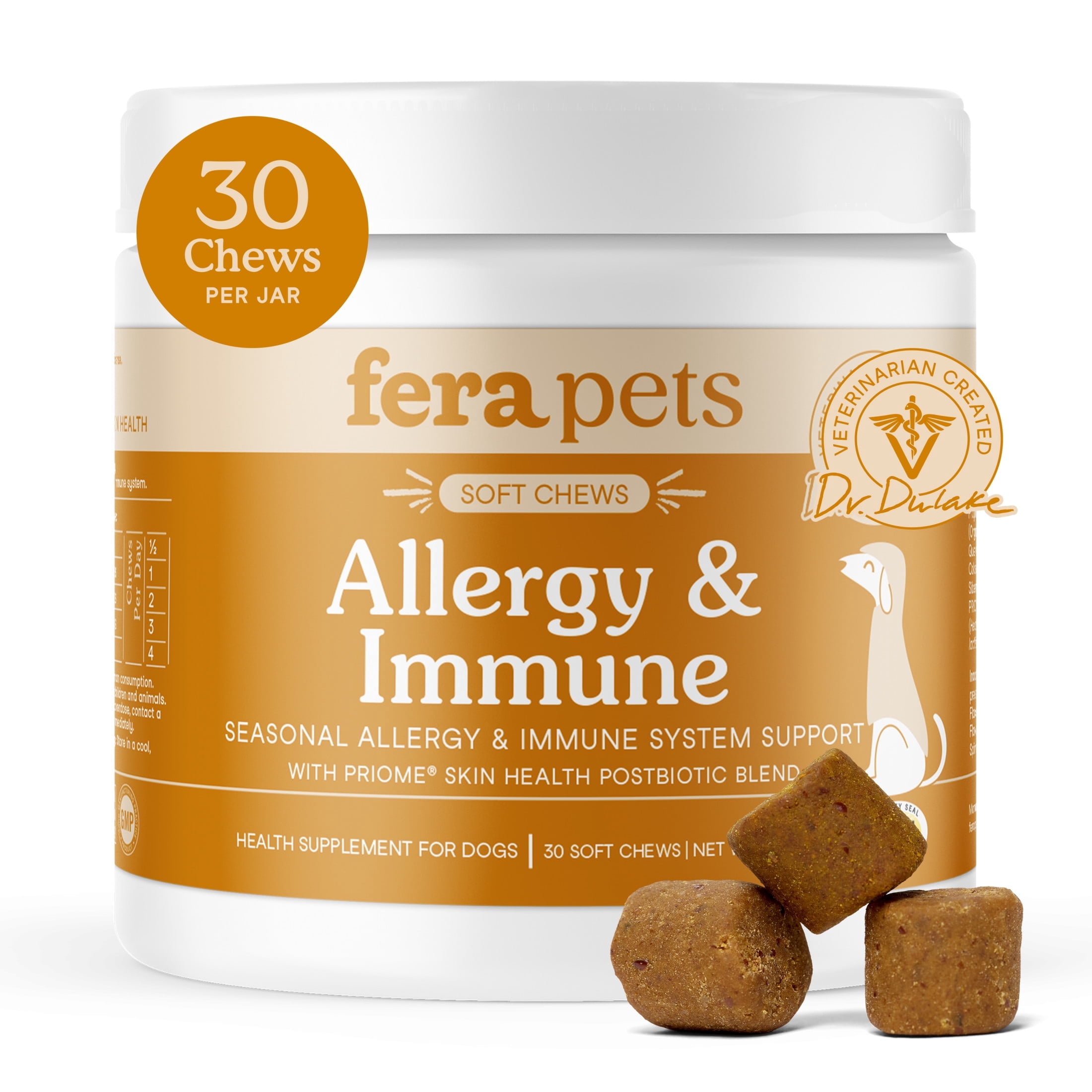


For more expert pet care tips and advice, check out our dedicated Dog Health guides to keep your companions healthy and happy.


