

Introduction
Understanding how to support a dog’s joint health is a significant aspect of responsible pet ownership, particularly as dogs age. The term “dog arthritis supplements” refers to a category of nutritional aids designed to support joint function, reduce inflammation, and alleviate discomfort associated with canine osteoarthritis, a common degenerative joint disease. Arthritis in dogs frequently occurs due to the natural wear and tear on cartilage over time, but it can also stem from injuries, genetic predispositions, or developmental abnormalities. Recognizing the potential benefits of these supplements and integrating them into a comprehensive care plan can significantly enhance a dogs mobility, improve its comfort levels, and contribute positively to its overall quality of life, allowing for more joyful interactions and activity.
💡 Pet Care Key Takeaways:
- Core Focus: Practical health, nutrition, and wellness guidelines for Dog Arthritis Supplements.
- Target Scope: Pet owners, animal caregivers, and veterinary support staff.
- Best Recommendation: Maintain consistent daily routines and consult an accredited veterinarian before introducing major diet or medical changes.
Common Causes and Key Factors
Canine arthritis, also known as osteoarthritis or degenerative joint disease, is a progressive condition often necessitating a multi-faceted approach to management, which commonly includes dog arthritis supplements. A primary cause is age-related degeneration, where the cartilage cushioning the joints gradually breaks down over time. This leads to bone-on-bone friction, inflammation, and pain. For more related activities, check out our Sick Pug At Veterinarian.
Genetic predisposition plays a substantial role, with certain breeds like German Shepherds, Labrador Retrievers, Golden Retrievers, and Rottweilers being particularly susceptible due to a higher incidence of hip and elbow dysplasia. These developmental orthopedic conditions create abnormal joint structures, accelerating cartilage wear. Injuries or trauma, such as fractures, ligament tears, or luxations, can also initiate the arthritic process by damaging joint components.
Excess body weight is a crucial contributing factor. Obesity places immense, unnatural stress on a dogs joints, exacerbating cartilage degradation and inflammation. Other elements include poor nutrition, lack of appropriate exercise, and, less commonly, infectious diseases affecting the joints. When these factors are at play, dog arthritis supplements often become a recommended component of a dog’s long-term health strategy, aimed at mitigating symptoms and supporting joint integrity.
Signs and Symptoms to Observe
Detecting the subtle onset of canine arthritis is vital for timely intervention, including the potential use of dog arthritis supplements. Pet owners should observe for changes in a dogs behavior or physical capabilities. One of the most common signs is limping or lameness, which may be more pronounced after rest or during cold, damp weather. A dog might exhibit stiffness, particularly when getting up from a lying position, or show difficulty in navigating stairs, jumping into vehicles, or even getting onto furniture.
Reduced activity levels are another key indicator; a dog might become less enthusiastic about walks, playing, or running. Changes in gait, such as a bunny hop when running or a reluctance to put weight on a particular limb, can also be observed. Some dogs may start licking, chewing, or biting at specific joints in an attempt to relieve discomfort. Pain can manifest as irritability or a change in temperament, making a normally docile dog growl or snap when touched in a sensitive area. Muscle atrophy in an affected limb, where the muscles appear noticeably smaller, is a more advanced sign. These indicators can vary depending on the dog’s age, breed, and the severity of the arthritis.
Practical Solutions and Management Strategies
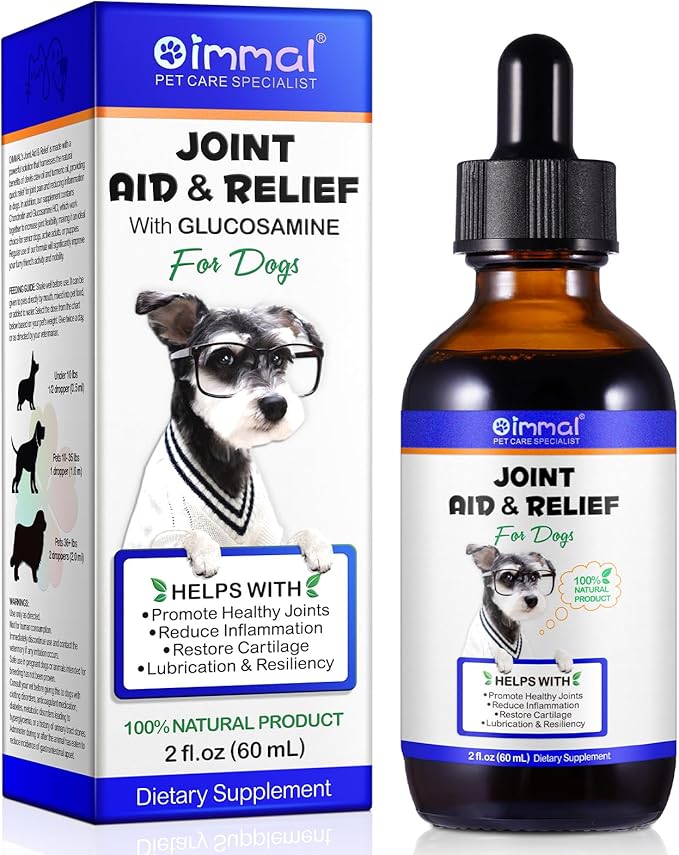
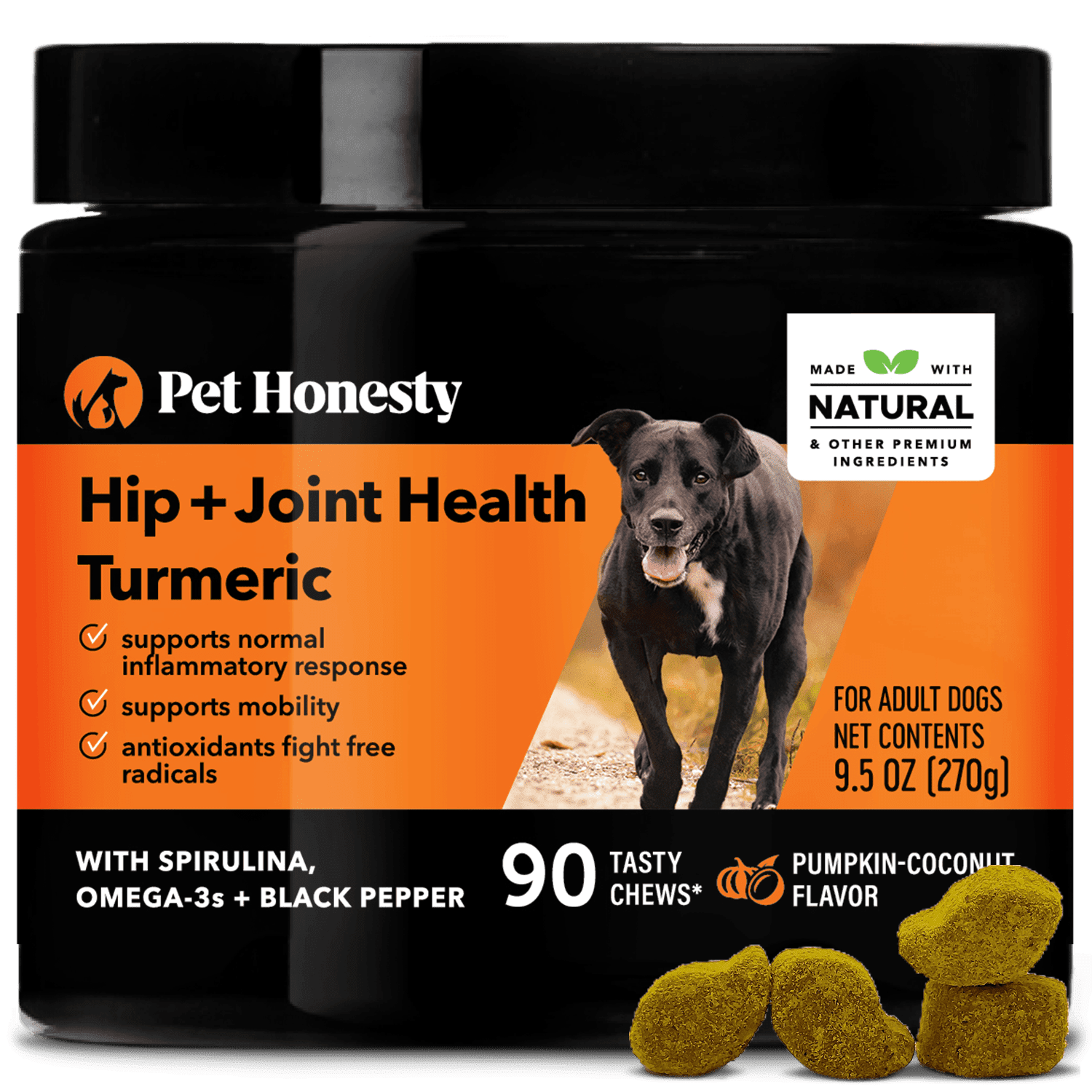
Managing canine arthritis effectively often involves a multi-modal approach, with dog arthritis supplements forming a cornerstone of the strategy. Various supplements are available, each targeting different aspects of joint health and inflammation.
Glucosamine and Chondroitin: These are perhaps the most widely recognized joint supplements. Glucosamine helps in the repair and formation of cartilage, while chondroitin aids in maintaining cartilage elasticity and inhibiting destructive enzymes. They work synergistically to support joint structure.
Omega-3 Fatty Acids (EPA and DHA): Derived from fish oil, these fatty acids possess potent anti-inflammatory properties, which can significantly reduce joint pain and stiffness. Regular supplementation can help decrease the body’s inflammatory response.
MSM (Methylsulfonylmethane): An organic sulfur compound, MSM is often included for its anti-inflammatory and pain-relieving effects, contributing to overall joint comfort.
Green-Lipped Mussel: Sourced from New Zealand, this supplement provides a rich blend of glycosaminoglycans, omega-3 fatty acids, and antioxidants, all beneficial for joint health and inflammation reduction.
Turmeric (Curcumin): Known for its powerful anti-inflammatory and antioxidant properties, curcumin, the active compound in turmeric, can offer additional support in managing arthritis pain.
CBD (Cannabidiol): While research is ongoing, some studies suggest CBD may help manage pain and inflammation in dogs with arthritis. Consultation with a veterinarian is crucial regarding appropriate dosages and product selection, given the varied regulations and formulations.
Beyond supplements, lifestyle adjustments are critical. Maintaining an optimal body weight through a balanced diet is paramount to reduce stress on joints. Regular, low-impact exercise, such as short, controlled walks or swimming, can help maintain muscle strength and joint flexibility without exacerbating discomfort. Providing warm, soft bedding can alleviate pressure points, and implementing ramps or steps can help a dog access elevated surfaces safely. Non-slip rugs on slick floors can prevent falls and injuries. Physical therapy, including hydrotherapy (under supervision), can also be highly beneficial for mobility and pain management.
When Professional Help May Be Needed
While dog arthritis supplements can be a valuable part of a management plan, there are crucial instances when professional veterinary intervention is essential. The first and foremost reason is to obtain an accurate diagnosis. Arthritis symptoms can mimic other conditions, and a veterinarian can perform physical examinations, X-rays, and sometimes blood tests to confirm the diagnosis and assess the severity of the joint disease. This diagnosis is fundamental before embarking on any long-term supplement regimen.
Veterinary consultation is also imperative if a dog exhibits acute lameness, sudden worsening of pain, or a lack of improvement despite consistent use of recommended supplements and lifestyle adjustments. In such cases, the veterinarian may suggest prescription pain medications, non-steroidal anti-inflammatory drugs (NSAIDs), corticosteroid injections, or other medical therapies to provide more immediate relief. Advanced cases might warrant discussions about surgical interventions, such as total joint replacement or arthroscopy, which can significantly improve a dog’s quality of life. A veterinarian can provide tailored advice on the most appropriate dog arthritis supplements, their dosages, potential interactions with other medications, and the overall management strategy to ensure the best possible outcome for the dog.
Conclusion
Navigating the challenges of canine arthritis requires a proactive and informed approach, with dog arthritis supplements serving as an important tool in the comprehensive care toolkit. Understanding the underlying causes, recognizing the subtle signs of discomfort, and implementing a multi-faceted management strategy can make a profound difference in a dog’s daily life. While supplements offer valuable support for joint health and comfort, their use should always be part of a broader plan that includes weight management, appropriate exercise, environmental modifications, and regular veterinary oversight. Consistent observation, responsible care, and a strong partnership with a veterinary professional ensure that dogs experiencing arthritis can maintain their mobility, reduce pain, and continue to enjoy a fulfilling and active life. Promoting joint health is a testament to the enduring bond between dogs and their human companions.
Pet Care & Wellness Overview Table
| Life Stage | Daily Activity Level | Key Nutrition / Care Focus |
|---|---|---|
| Puppy / Kitten | High (frequent short bursts) | High-protein growth diet & early socialization |
| Adult Companion | Moderate (30–60 mins daily) | Balanced maintenance nutrition & dental hygiene |
| Senior Pets | Low to Gentle (mindful walks) | Joint support (Glucosamine) & routine vet checks |
Images References







For more expert pet care tips and advice, check out our dedicated Dog Health guides to keep your companions healthy and happy.




