

Introduction
Ensuring the optimal health of a new puppy is a top priority for any responsible pet owner. Among the critical aspects of early puppy care, effective deworming stands out as paramount. Puppies are highly susceptible to various internal parasites, commonly known as worms, which can severely impact their development, comfort, and overall well-being. Understanding the significance of parasite prevention and identifying the “best deworming medicine for puppy” is not about finding a single miracle cure, but rather recognizing the importance of a tailored, veterinary-guided approach. This knowledge empowers caregivers to protect young dogs from common parasitic threats, laying the foundation for a healthy, happy, and vibrant life. Addressing this issue proactively can prevent serious health complications, behavioral changes due to discomfort, and ensure proper nutrient absorption essential for growth.
💡 Pet Care Key Takeaways:
- Core Focus: Practical health, nutrition, and wellness guidelines for Best Deworming Medicine For Puppy.
- Target Scope: Pet owners, animal caregivers, and veterinary support staff.
- Best Recommendation: Maintain consistent daily routines and consult an accredited veterinarian before introducing major diet or medical changes.
Common Causes and Key Factors
Puppies acquire intestinal worms primarily through several common pathways, making regular deworming a fundamental part of their initial care. The most frequent route of transmission is from the mother. Infected mother dogs can pass parasites to their offspring either transplacentally (before birth, common with roundworms) or through their milk (during nursing). This explains why virtually all puppies are born with or acquire worms very early in life. For more related activities, check out our Breeds Susceptable To Diabetes.
Beyond maternal transmission, puppies can pick up worms from their environment. Microscopic worm eggs, shed in the feces of infected animals, can persist in soil, grass, and other outdoor areas for extended periods. Puppies, with their inquisitive nature and tendency to mouth or ingest contaminated soil, grass, or even fleas, are at high risk. Different types of worms prevalent in puppies include roundworms, hookworms, whipworms, and tapeworms. Each type presents unique challenges and requires specific treatments, highlighting why a broad-spectrum or targeted approach, determined by a veterinarian, is essential. The immature immune systems of young puppies further exacerbate their vulnerability, as they are less equipped to fight off parasitic infestations compared to adult dogs.
Signs and Symptoms to Observe
Identifying the presence of intestinal worms in a puppy often relies on careful observation of both physical and behavioral indicators. While some infestations might be asymptomatic in their early stages, many puppies display clear signs. One of the most commonly recognized symptoms is a distended or “pot-bellied” appearance, particularly noticeable after eating, despite the puppy potentially losing weight.
Other observable signs include a dull, dry, or rough coat, which can indicate poor nutrient absorption. Digestive disturbances are also common, manifesting as persistent diarrhea, which may contain mucus or blood, or recurrent vomiting. In some cases, owners may directly observe worms in a puppys stool or vomit; roundworms often resemble spaghetti, while tapeworm segments might look like grains of rice around the anus or in fresh feces. Lethargy, a decreased appetite, and a general failure to thrive are more serious signs. Additionally, scooting the rear along the ground can indicate anal irritation, sometimes caused by the presence of worms or their segments. The severity and type of these signs can vary depending on the puppy’s age, the specific type of worm, and the extent of the infestation.
Practical Solutions and Management Strategies
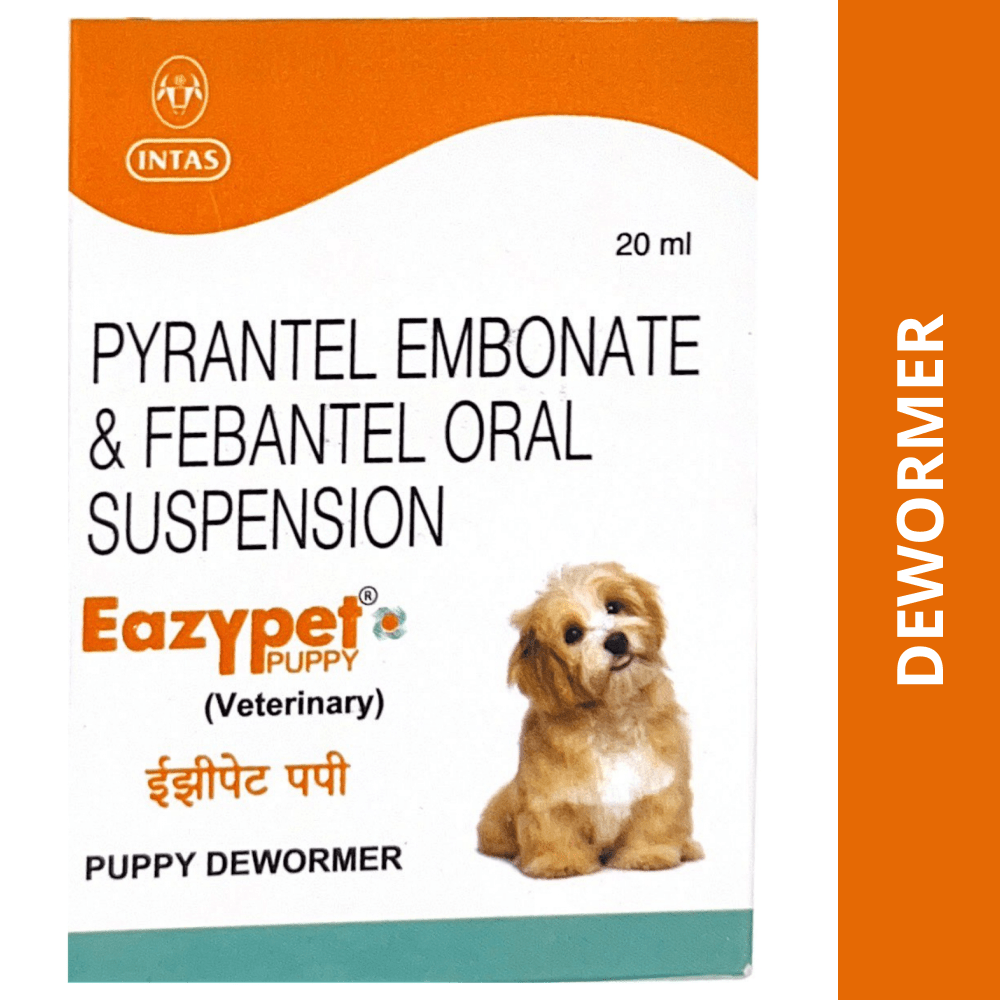
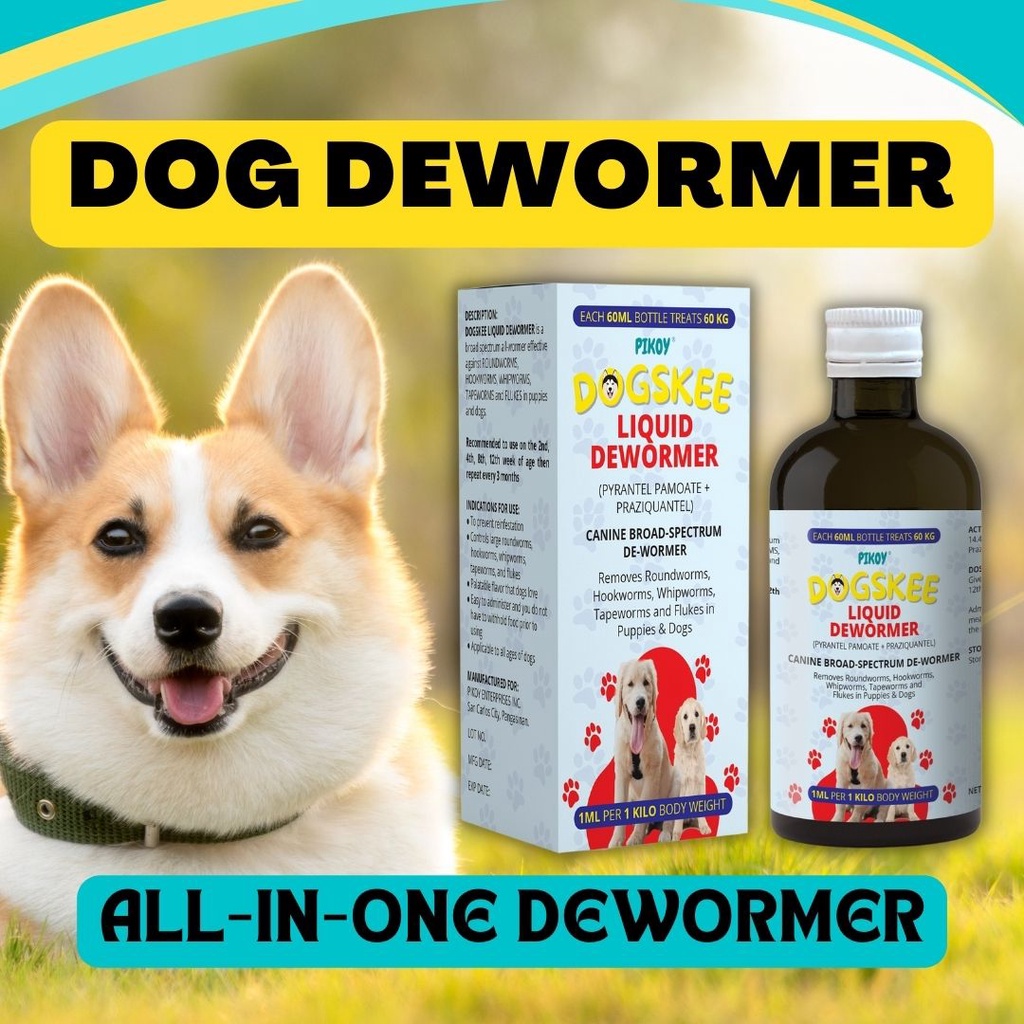
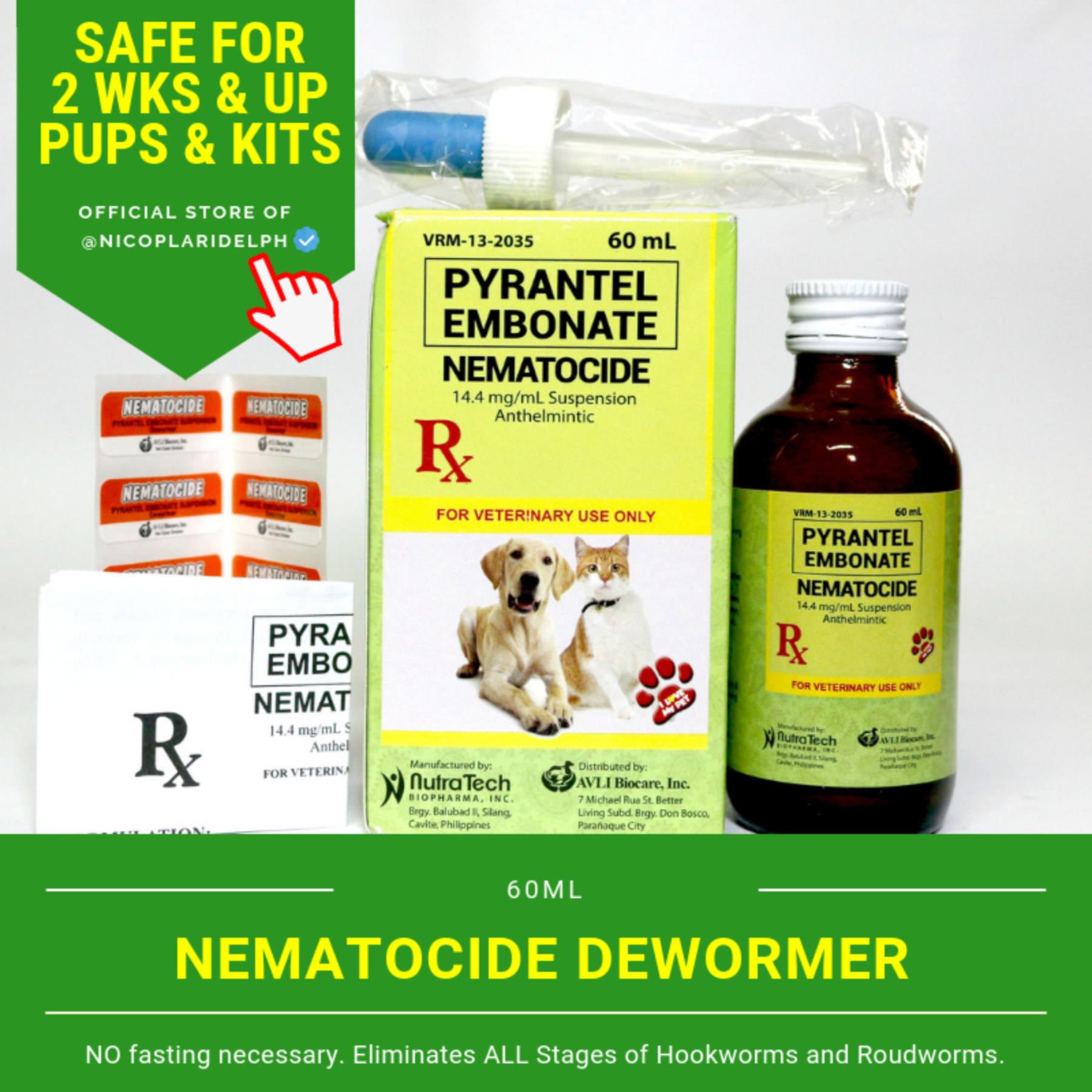
Managing and treating intestinal worms in puppies requires a strategic approach, with the core strategy revolving around professional veterinary consultation. The concept of the “best deworming medicine for puppy” is highly individualized and determined by a veterinarian based on several factors, including the puppy’s age, weight, geographical location, lifestyle, and the specific type of worm identified through fecal examination.
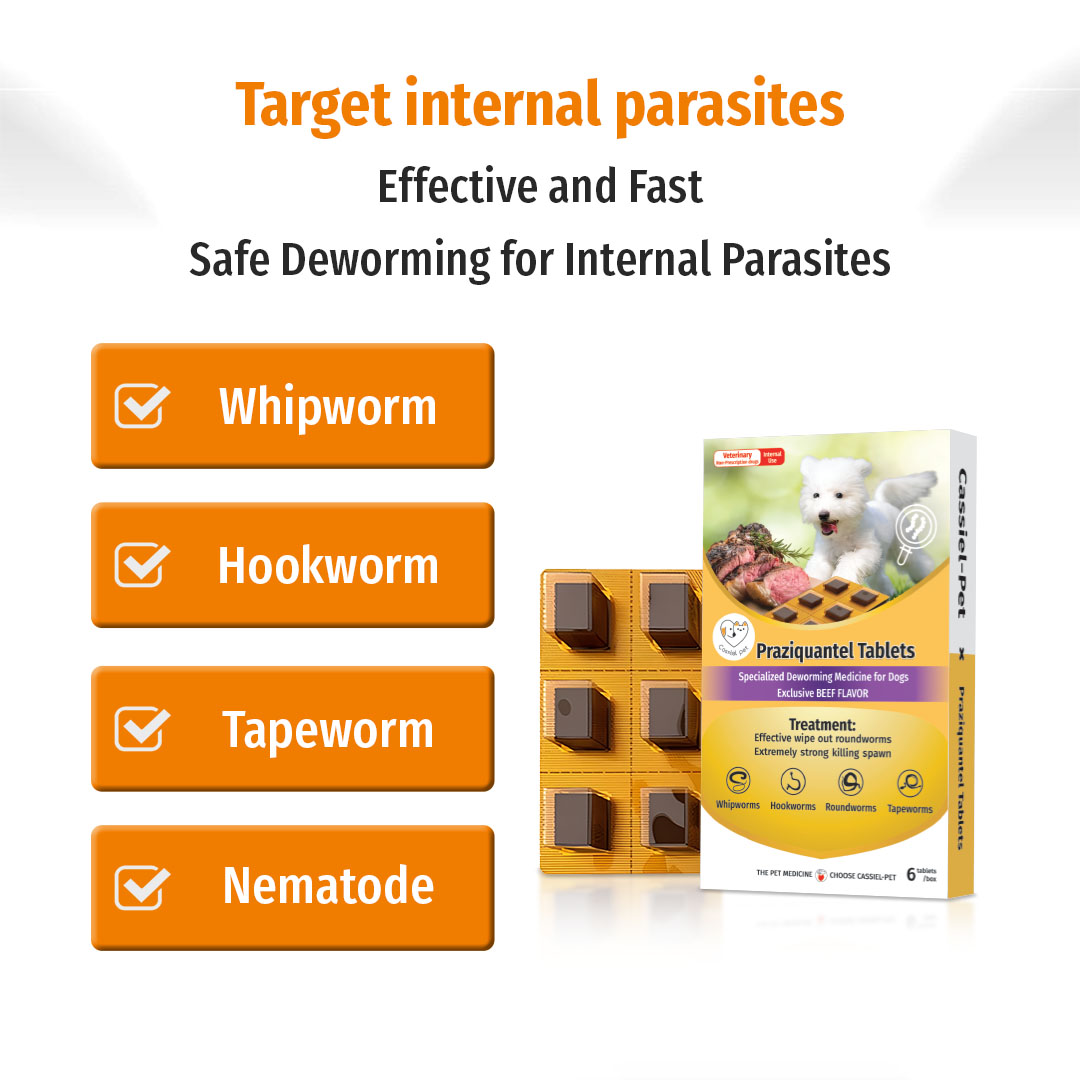
Veterinarians typically prescribe broad-spectrum dewormers for initial puppy protocols, which are effective against the most common parasites like roundworms and hookworms. If specific worms like tapeworms (often linked to flea infestations) or whipworms are identified, a targeted medication will be chosen. It is critical for caregivers to strictly adhere to the prescribed dosage and the deworming schedule, which often involves multiple doses over several weeks to eradicate newly hatched worms that were not affected by the initial treatment.
Beyond medication, preventive measures play a significant role. Maintaining excellent hygiene, such as promptly cleaning up puppy feces, helps reduce environmental contamination. Regular flea control is vital, as fleas act as intermediate hosts for tapeworms. Limiting exposure to potentially contaminated environments and ensuring puppies do not ingest rodent carcasses or raw meat can also minimize risk. Consistent veterinary check-ups, including regular fecal analyses, are crucial to monitor for new infestations and adjust deworming protocols as the puppy matures.
When Professional Help May Be Needed
Determining the most effective deworming medicine for a puppy is a task best left to veterinary professionals. It is imperative to seek veterinary consultation immediately upon acquiring a new puppy, or if any signs of worm infestation are observed. Self-diagnosing and administering over-the-counter dewormers without professional guidance can be ineffective, potentially harmful, or lead to antibiotic resistance in parasites if not used correctly.
A veterinarian will conduct a thorough examination, which typically includes a fecal flotation test to identify the specific types of worms present. This diagnostic step is crucial because different dewormers target different parasites. If a puppy exhibits severe symptoms such as persistent vomiting, bloody diarrhea, extreme lethargy, or significant weight loss, emergency veterinary attention is warranted. Additionally, if a deworming treatment appears ineffective, or symptoms persist or worsen after administration, a follow-up visit is essential to re-evaluate the diagnosis and treatment plan. A veterinarian can also advise on an ongoing parasite prevention program tailored to the puppy’s individual needs and risk factors.
Conclusion
Navigating the world of puppy care involves a commitment to proactive health management, and effective deworming stands as a cornerstone of this responsibility. While the search for the “best deworming medicine for puppy” is a common concern, the ultimate solution lies in a personalized, veterinary-guided strategy. Consistent observation for signs of infestation, combined with timely professional consultation, forms the most robust defense against internal parasites. Adhering to prescribed deworming schedules and implementing robust environmental hygiene practices are vital in protecting young dogs. By understanding the causes, symptoms, and appropriate management strategies, caregivers can ensure their puppies grow into strong, healthy companions, reinforcing the importance of informed and dedicated pet ownership on the journey through life together.
Pet Care & Wellness Overview Table
| Life Stage | Daily Activity Level | Key Nutrition / Care Focus |
|---|---|---|
| Puppy / Kitten | High (frequent short bursts) | High-protein growth diet & early socialization |
| Adult Companion | Moderate (30–60 mins daily) | Balanced maintenance nutrition & dental hygiene |
| Senior Pets | Low to Gentle (mindful walks) | Joint support (Glucosamine) & routine vet checks |
Images References



For more expert pet care tips and advice, check out our dedicated Dog Health guides to keep your companions healthy and happy.




