

Understanding the Emotional and Physical Recovery Journey
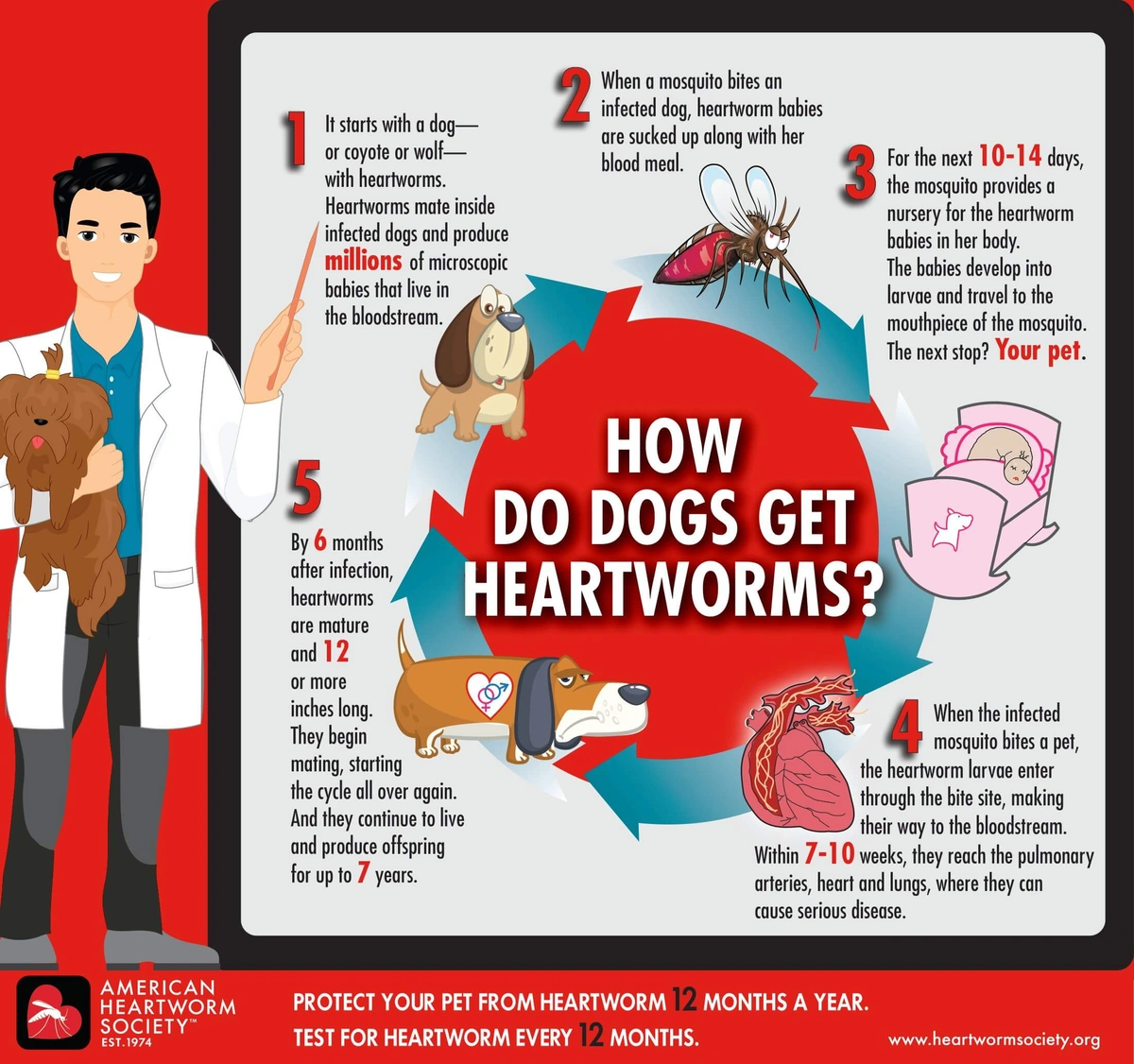
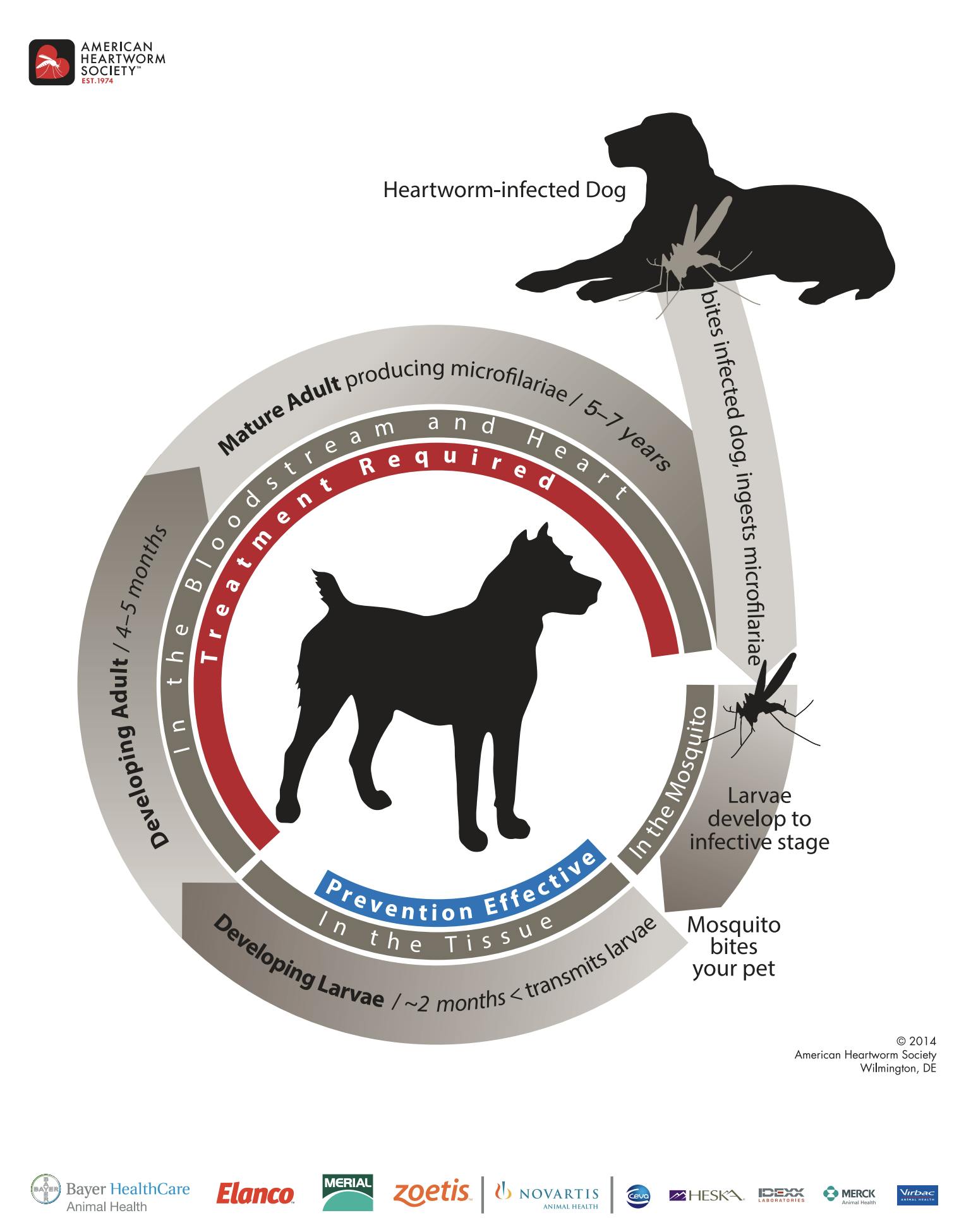
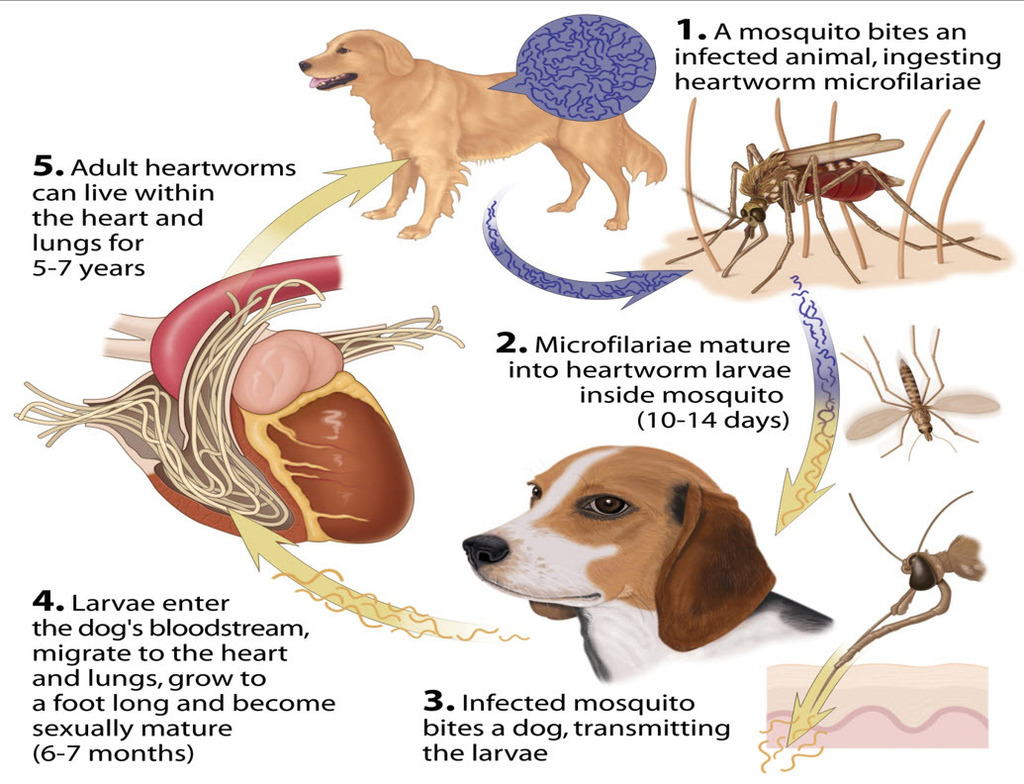
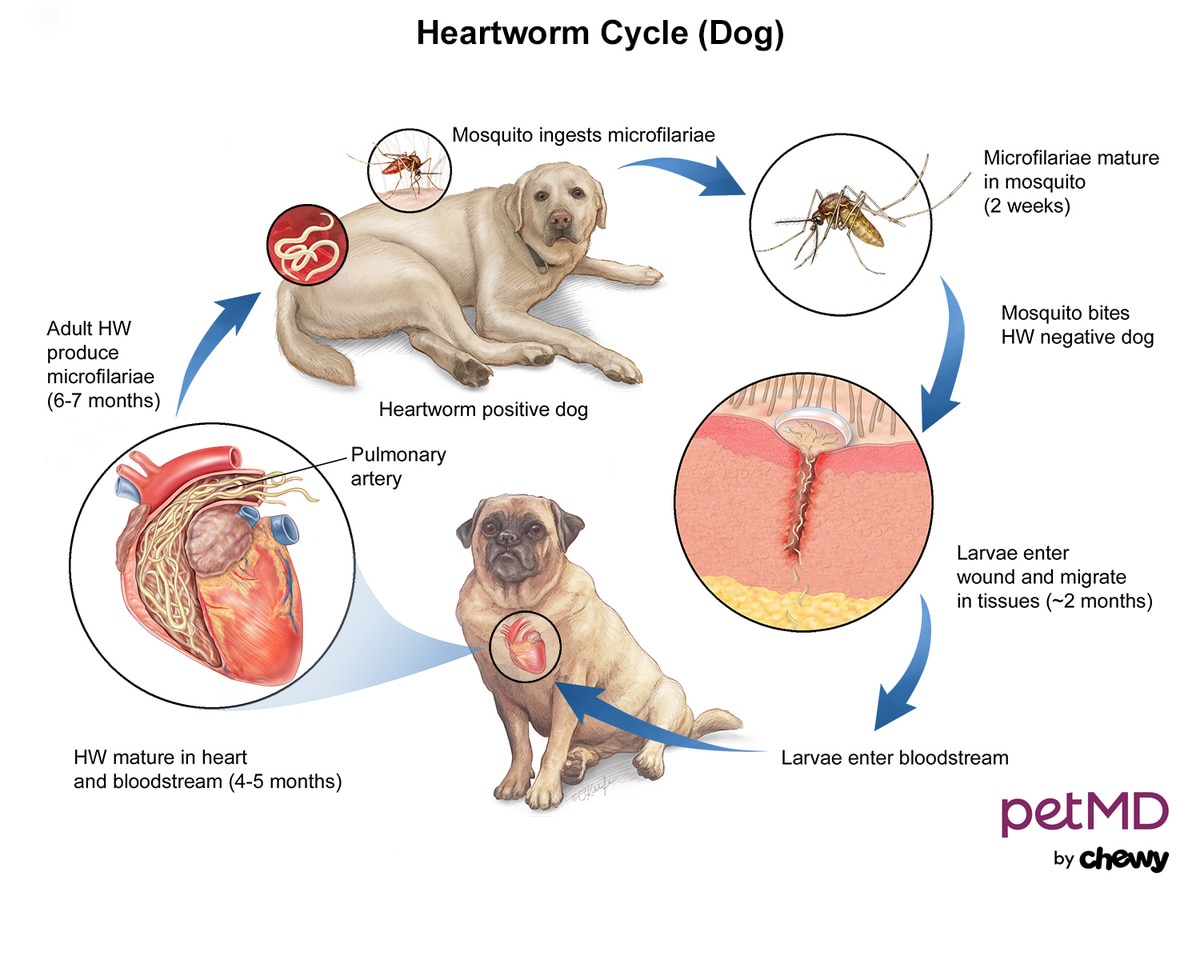
Navigating dog behavior after heartworm treatment requires patience, careful observation, and a solid understanding of how medical recovery influences canine psychology. According to the American Veterinary Medical Association, heartworm disease is a serious and potentially fatal condition caused by foot-long worms living in the heart, lungs, and associated blood vessels of affected pets, requiring a rigorous multi-stage intervention protocol. When a canine companion undergoes the adulticide treatment—typically involving a series of intramuscular injections—the physical toll on the body is immense. Consequently, the psychological state of the animal shifts dramatically during the weeks that follow. Many owners notice sudden changes, such as increased clinginess, unexpected restlessness, or unusual lethargy, which can catch families off guard. Recognizing that these behavioral shifts stem directly from physical healing, stringent confinement, and medication side effects is the first step toward providing compassionate care during a challenging rehabilitation period.
💡 Pet Care Key Takeaways:
- Core Focus: Practical health, nutrition, and wellness guidelines for Dog Behavior After Heartworm Treatment.
- Target Scope: Pet owners, animal caregivers, and veterinary support staff.
- Best Recommendation: Maintain consistent daily routines and consult an accredited veterinarian before introducing major diet or medical changes.
Interpreting Behavioral Shifts During the Recovery Phase
Unusual dog behavior after heartworm treatment generally manifests as a direct response to enforced strict cage rest, chronic discomfort, and the chemical breakdown of parasites within the cardiovascular system. As dead worms disintegrate and are slowly absorbed by the body, inflammation can cause low-grade fever, muscle soreness, and general malaise. Canines cannot verbally express this discomfort, so they often communicate distress through behavioral channels. Some animals become unusually quiet, spending hours staring into space or sleeping soundly, while others exhibit cabin fever through whining, pacing, or mild destructive chewing. It is vital to separate true behavioral concerns from normal physiological responses to medical therapy. Destructive tendencies during this time rarely signal poor obedience or a need for rigorous correction; instead, they highlight the intense mental strain that occurs when a high-energy animal is suddenly deprived of physical outlets and social freedom. For more related activities, check out our Dog Unusual Behavior.
Managing the Stress of Strict Confinement
Mitigating the behavioral impact of prolonged crate rest requires creative mental stimulation and a structured daily routine that satisfies cognitive needs without compromising physical safety. Because elevated heart rates and physical exertion can cause catastrophic complications as dead worms block pulmonary blood vessels, running, jumping, and enthusiastic play must be strictly prohibited for several weeks. This sudden restriction often triggers frustration, anxiety, and barrier frustration. To keep the mind engaged safely, caregivers can introduce puzzle toys, scent games that involve stationary sniffing, and basic obedience commands practiced entirely from a seated or lying position. Soft massage, gentle grooming sessions, and quiet companionship also reassure the animal, lowering cortisol levels and fostering a secure environment. Providing predictable feeding times and calming environmental sounds helps anchor the daily routine, reducing the unpredictability that frequently exacerbates canine anxiety during extended recovery periods.
Strict physical restriction and crate rest are mandatory for several weeks following adulticide injections to prevent fatal complications as dying worms are absorbed by the cardiovascular system. — American Veterinary Medical Association
Practical Strategies for Supporting a Recovering Canine
Addressing dog behavior after heartworm treatment successfully involves balancing mental enrichment with absolute physical safety measures. Caregivers must maintain a calm, reassuring demeanor, as dogs easily mirror human stress and anxiety. Implementing predictable patterns for potty breaks on a short leash ensures elimination needs are met without risking forbidden bursts of speed. If a dog becomes excessively restless, consulting a veterinarian regarding safe, prescribed mild sedatives or anti-anxiety supplements can prevent accidental injury caused by frantic pacing or jumping against enclosure gates.
Best Practices and Common Pitfalls to Avoid
A primary mistake during this delicate timeframe is granting unauthorized physical freedom too early simply because the animal appears energetic and eager to play. A sudden dash across the living room or an enthusiastic greeting at the door can trigger severe, life-threatening pulmonary thromboembolism. Avoid using traditional punishment or scolding for anxiety-driven whining or pacing, as heightened stress elevates heart rates and exacerbates physical risks. Instead, redirect attention gently using low-calorie, vet-approved training treats, soothing verbal praise, or a favorite stationary chew item. Keep interaction calm and low-key, ensuring the recovering companion feels protected rather than restricted or isolated from household dynamics.
Canine cognitive dysfunction and boredom-related anxiety can increase during prolonged convalescence, making low-impact mental stimulation essential for emotional well-being. — American Kennel Club
Pet Care & Wellness Overview Table
| Life Stage | Daily Activity Level | Key Nutrition / Care Focus |
|---|---|---|
| Puppy / Kitten | High (frequent short bursts) | High-protein growth diet & early socialization |
| Adult Companion | Moderate (30–60 mins daily) | Balanced maintenance nutrition & dental hygiene |
| Senior Pets | Low to Gentle (mindful walks) | Joint support (Glucosamine) & routine vet checks |
Images References



Breed, Age, and Temperament Influences on Recovery Behavior
Individual responses to post-treatment protocols vary significantly based on a dog’s inherent breed traits, age, and baseline temperament. Working breeds and high-drive sporting dogs often struggle intensely with confinement, displaying pronounced frustration, escape attempts, and vocalization because their instinctual drive to move and work is severely thwarted. Conversely, senior dogs or lower-energy companion breeds may adapt more easily to rest but can experience prolonged physical stiffness and lethargy. Understanding these unique predispositions allows owners to tailor their approach, offering extra patience and specialized cognitive engagement tailored to the specific psychological makeup of their furry family member rather than applying a generalized strategy.
When to Consult a Veterinary Professional
Monitoring dog behavior after heartworm treatment requires vigilance, and certain warning signs necessitate immediate veterinary intervention. If unusual lethargy escalates into unresponsiveness, severe reluctance to move, heavy or labored breathing, persistent coughing, pale gums, or sudden collapse, contact a veterinary clinic immediately, as these symptoms may indicate a pulmonary embolism or severe allergic reaction to dying parasites. For persistent behavioral challenges such as unmanageable panic, severe aggression, or extreme self-injury resulting from confinement distress, consult a qualified veterinary behaviorist or certified professional trainer who specializes in medically restricted animals. Never attempt home remedies, unprescribed sedatives, or human medications to manage anxiety without explicit professional guidance, ensuring the recovery process remains safe and medically supervised.
Supporting Long-Term Wellness and Health
Successfully guiding a dog through the post-treatment rehabilitation phase sets the stage for a healthy, active future free from the debilitating effects of parasitic infection. Once the veterinarian officially clears the animal for normal activity, reintroducing exercise must be done gradually to rebuild lost muscle mass and cardiovascular stamina without causing injury. Emphasizing year-round parasite prevention, routine veterinary check-ups, and balanced Dog Nutrition safeguards long-term vitality. For further guidance on optimizing your companion’s lifestyle, explore resources on Dog Health, Dog Training, and general Dog Care. Visit PetsAnimalsWorld.com for continuous expert advice dedicated to happy, healthy pets.




