
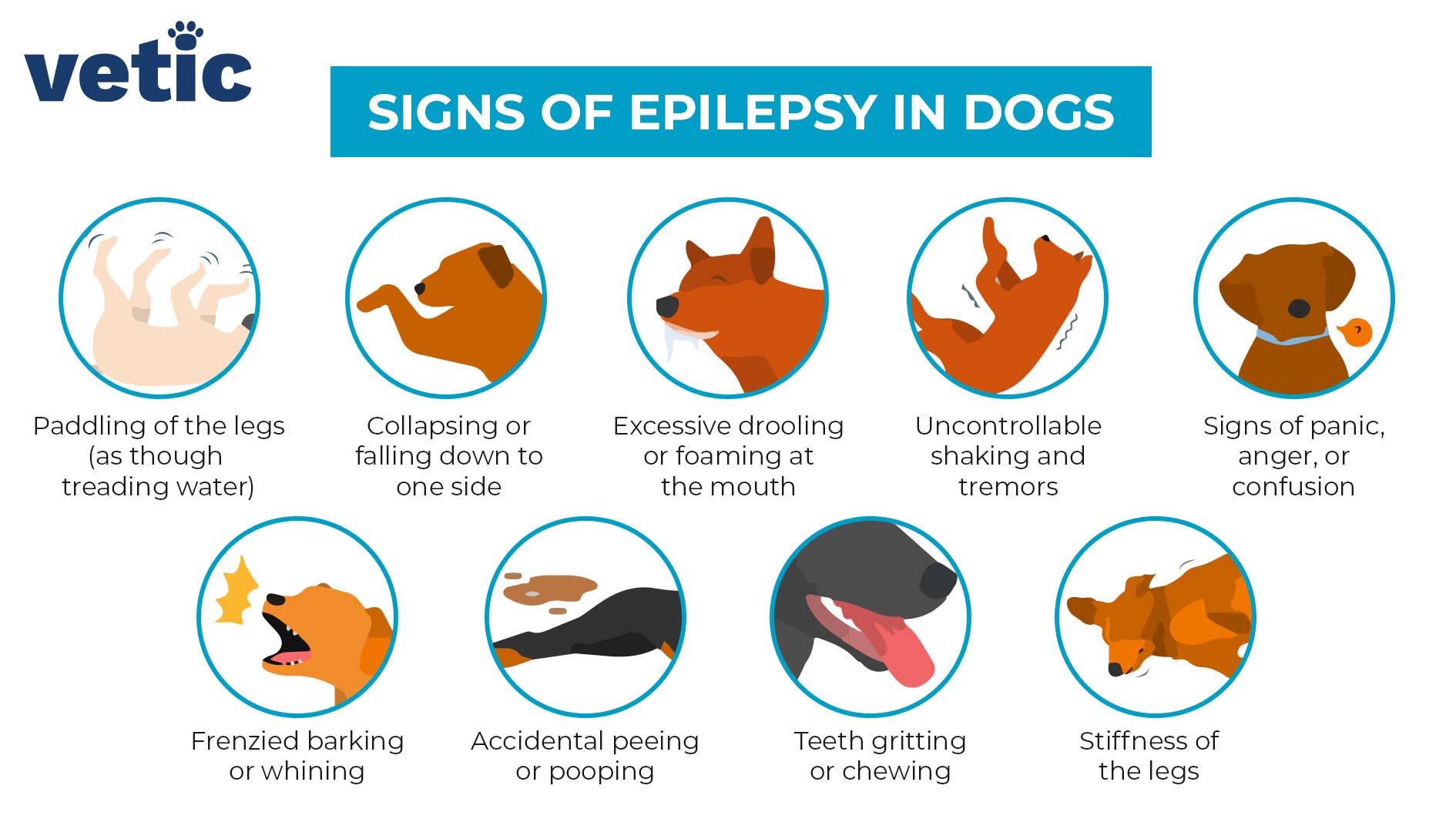
Witnessing an epileptic event or sudden neurological episode in a companion animal can be an intensely distressing experience for any household. According to the American Kennel Club, seizures represent one of the most common neurological conditions reported in domestic dogs, necessitating careful observation both during and after the episode. When the physical convulsions cease, a distinct recovery phase begins. Understanding what happens during this window is vital for ensuring animal safety and providing appropriate comfort.
💡 Pet Care Key Takeaways:
- Core Focus: Practical health, nutrition, and wellness guidelines for Dog Behavior After Seizure.
- Target Scope: Pet owners, animal caregivers, and veterinary support staff.
- Best Recommendation: Maintain consistent daily routines and consult an accredited veterinarian before introducing major diet or medical changes.
Understanding the Post-Ictal Phase in Canines
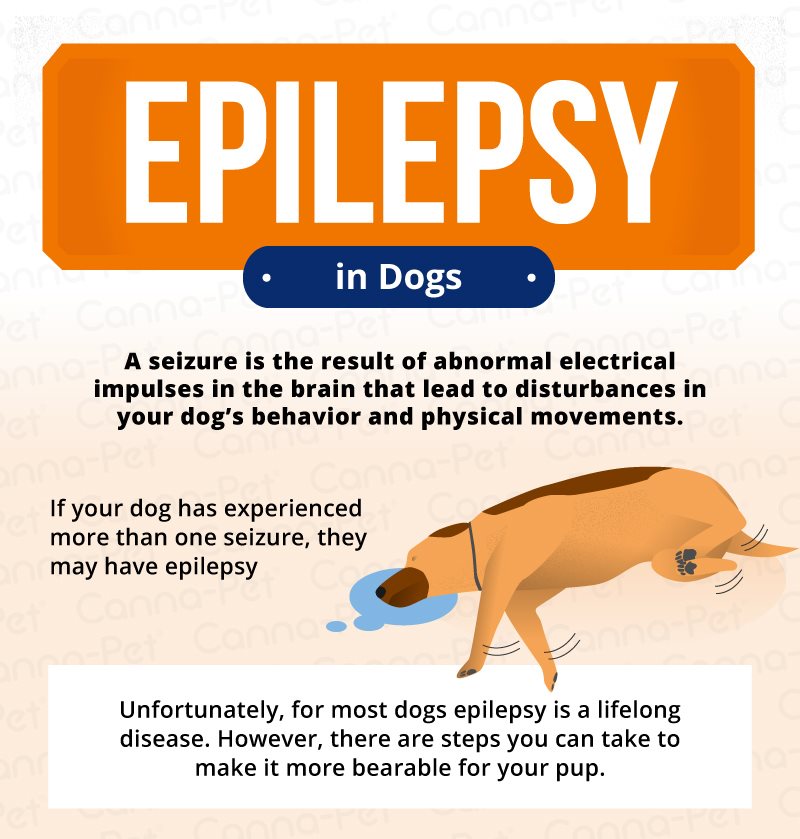
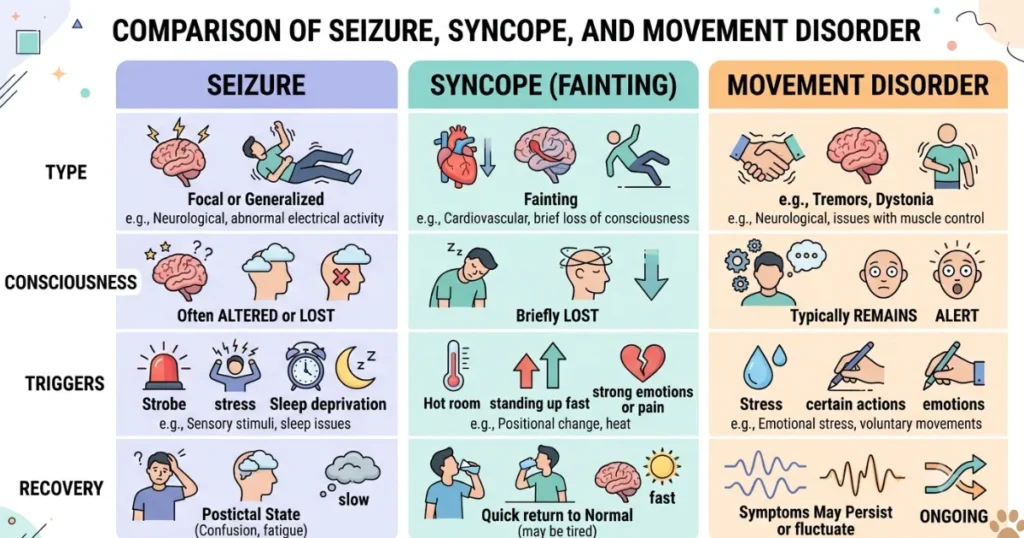
The post-ictal phase refers to the period immediately following a seizure where the brain recovers from abnormal electrical activity. During this transitional state, dogs frequently experience a range of temporary neurological disruptions known collectively as post-ictal behavior. This recovery window can last anywhere from a few minutes to several hours, or occasionally up to a full day, depending on the severity and duration of the preceding electrical storm. Canine neurology points to temporary cellular exhaustion in the brain as the primary driver behind these peculiar actions and altered mental states.
Common Behavioral Manifestations During Recovery
Canines emerging from a neurological event often display disorientation, pacing, temporary blindness, excessive panting, and seeking unusual hiding spots. These reactions stem from confusion rather than aggression, though frightened animals may inadvertently snap if cornered or startled. Walking aimlessly into walls, ignoring familiar commands, or showing intense clinginess are also frequently documented signs. Recognizing these manifestations helps prevent accidental injuries and allows caregivers to respond with patience and reassurance rather than alarm.
The post-ictal phase is characterized by temporary disorientation, pacing, and altered sensory perception as the brain recovers from abnormal electrical discharges. — American Veterinary Medical Association
Practical Management and Supportive Care Strategies
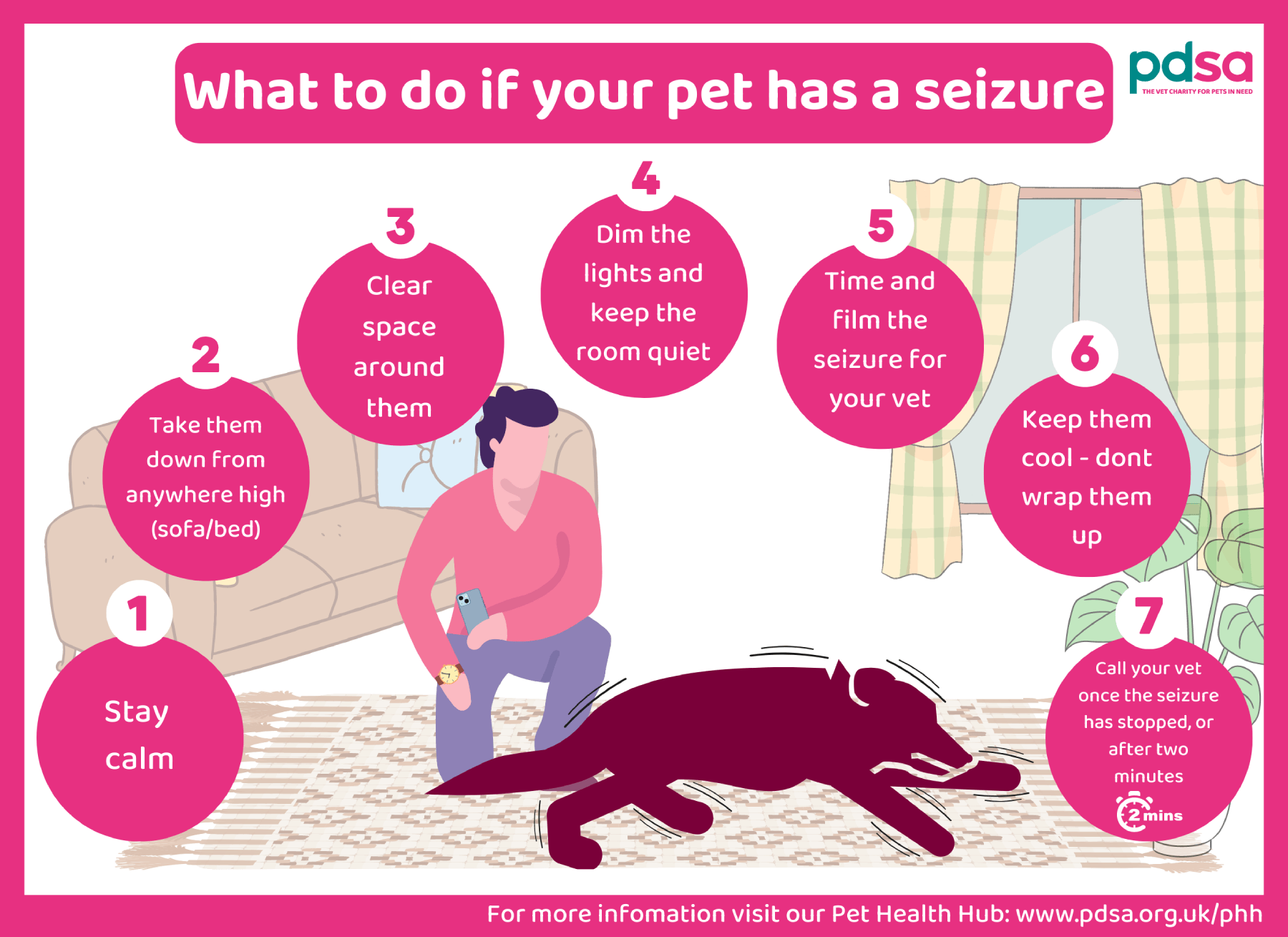
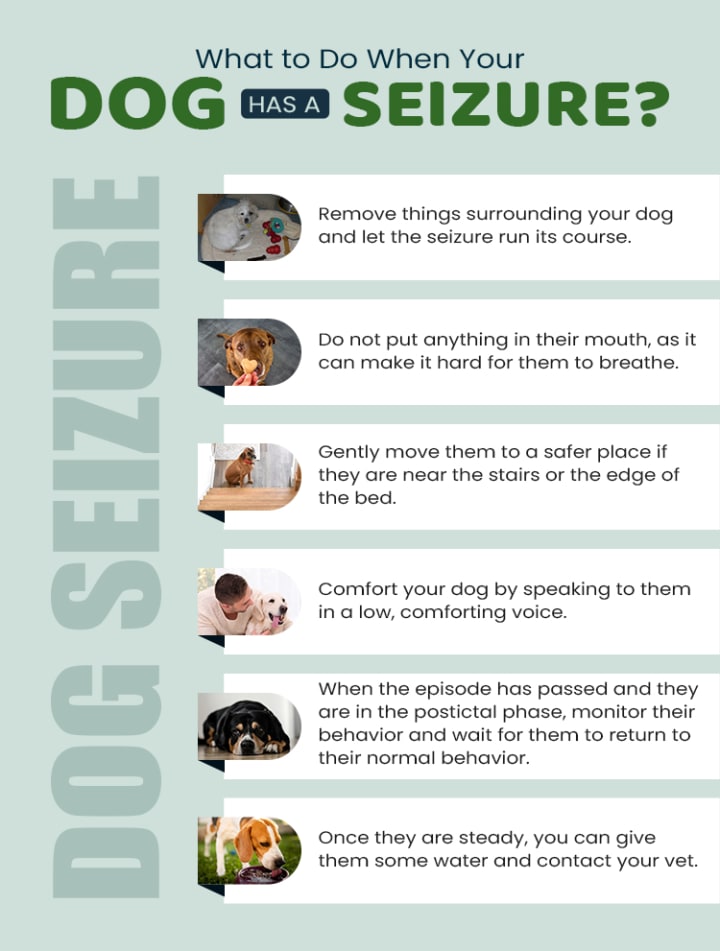
Managing a recovering animal requires creating a calm, low-stimulus environment that minimizes stress and prevents physical harm. Dimming bright lights, reducing loud noises, and keeping other household pets away from the recovering animal establish a safe atmosphere. Caregivers should avoid sudden movements or loud vocalizations that might startle a temporarily disoriented companion. Providing easy access to fresh water once coordination fully returns is equally important, though forcing fluids during active disorientation should be strictly avoided to prevent aspiration.
Crucial Dos and Don’ts for Post-Seizure Care
Maintaining a calm demeanor and keeping hands away from the mouth are essential safety practices during and after a neurological episode. A common mistake involves attempting to feed or medicate an animal too quickly before swallowing reflexes have fully normalized, which creates choking risks. Furthermore, placing a recovering dog in a high-traffic area or on an elevated surface like a bed or couch invites accidental falls while motor control remains impaired. Keeping the animal on a flat, padded floor in a quiet corner remains the gold standard of care.
Creating a safe, quiet environment during the post-ictal period significantly reduces anxiety and prevents secondary injuries resulting from temporary loss of coordination. — American Kennel Club
Pet Care & Wellness Overview Table
| Life Stage | Daily Activity Level | Key Nutrition / Care Focus |
|---|---|---|
| Puppy / Kitten | High (frequent short bursts) | High-protein growth diet & early socialization |
| Adult Companion | Moderate (30–60 mins daily) | Balanced maintenance nutrition & dental hygiene |
| Senior Pets | Low to Gentle (mindful walks) | Joint support (Glucosamine) & routine vet checks |
Images References



Individual Factors Influencing Recovery Dynamics
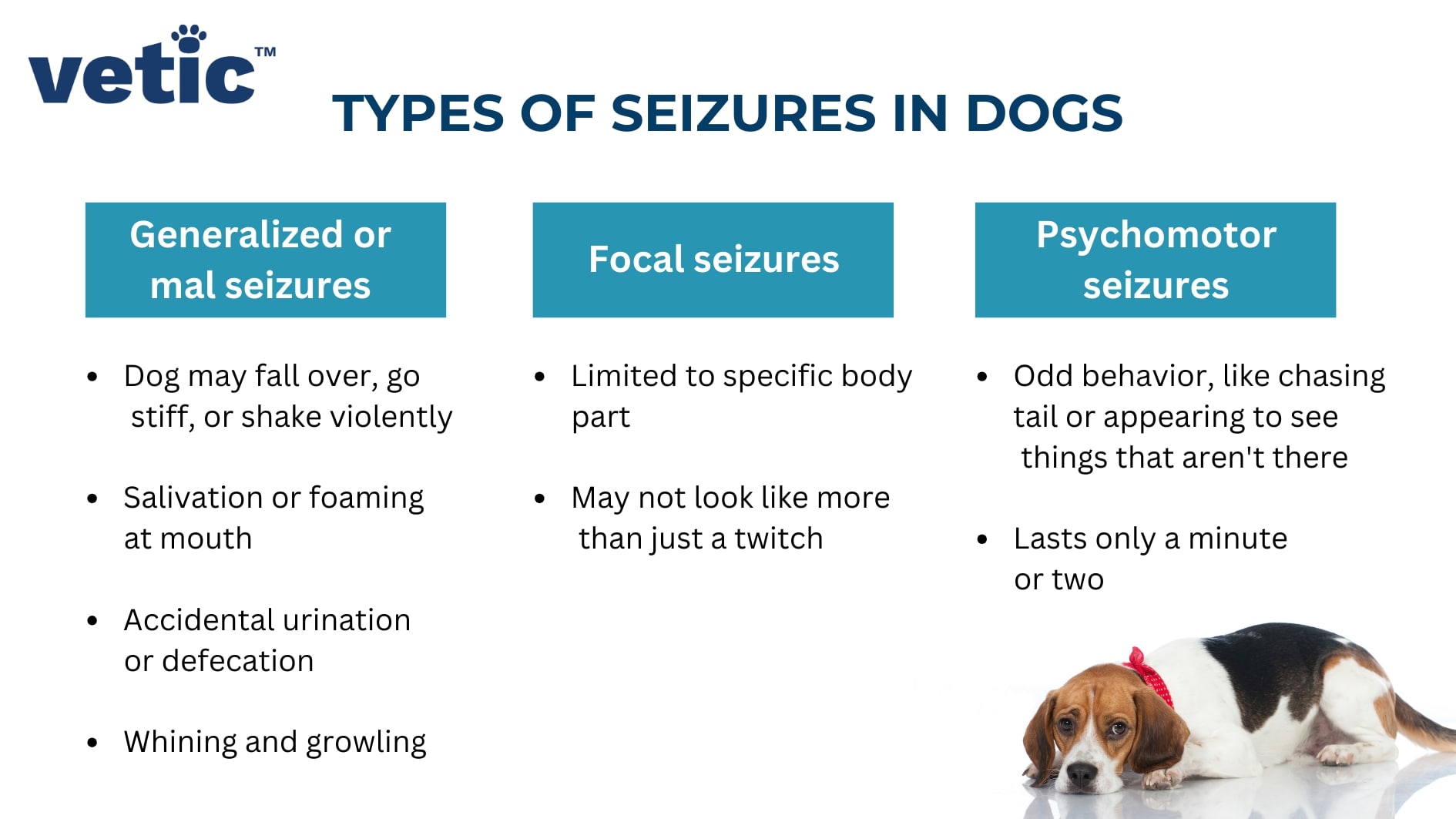
Age, underlying health status, breed predispositions, and the specific type of seizure experienced can all influence the duration and intensity of post-ictal behavior. Idiopathic epilepsy, which often has genetic links, may present predictable recovery patterns in certain breeds, whereas secondary seizures caused by toxins or metabolic disorders can produce prolonged disorientation. Older dogs or those with concurrent Dog Health conditions frequently require extended recovery windows and more intensive supportive monitoring following an acute neurological event.
When to Seek Urgent Veterinary Intervention
Immediate professional medical attention is required if a seizure lasts longer than five minutes, if multiple episodes occur back-to-back without full recovery in between, or if severe respiratory distress develops. For guidance on specialized monitoring, consulting resources focused on Dog Care can help owners prepare emergency response plans. Persistent unresponsiveness, extreme aggression, or inability to stand after several hours also warrant an immediate call to a primary veterinarian or emergency clinic for proper evaluation and safety stabilization.
Supporting Lifelong Wellness and Safety
Navigating recovery periods successfully requires a balance of vigilance, veterinary partnership, and environmental preparedness to protect vulnerable animals. Expanding knowledge regarding neurological health through platforms dedicated to Dog Behavior ensures that households remain equipped to handle complex medical situations with confidence. For comprehensive advice on keeping companion animals healthy and secure, explore additional resources available at PetsAnimalsWorld.com today.




