

Understanding Dog Behavior After Neutering and What to Expect
Understanding dog behavior after neutering is an important part of canine care, as surgical sterilization alters hormone levels and can influence everyday habits. According to the American Society for the Prevention of Cruelty to Animals (ASPCA), spaying and neutering can reduce or eliminate certain undesirable behaviors driven by reproductive hormones, while leaving individual personality traits and learned behaviors largely intact. Guardians frequently wonder how the physical recovery process influences daily routines, energy levels, and interactions with other animals or household members. Navigating this transition successfully requires patience, careful observation, and a reliable understanding of canine physiology following a routine medical procedure.
💡 Pet Care Key Takeaways:
- Core Focus: Practical health, nutrition, and wellness guidelines for Dog Behavior After Neutering.
- Target Scope: Pet owners, animal caregivers, and veterinary support staff.
- Best Recommendation: Maintain consistent daily routines and consult an accredited veterinarian before introducing major diet or medical changes.
Defining Behavioral Changes Following Surgical Sterilization
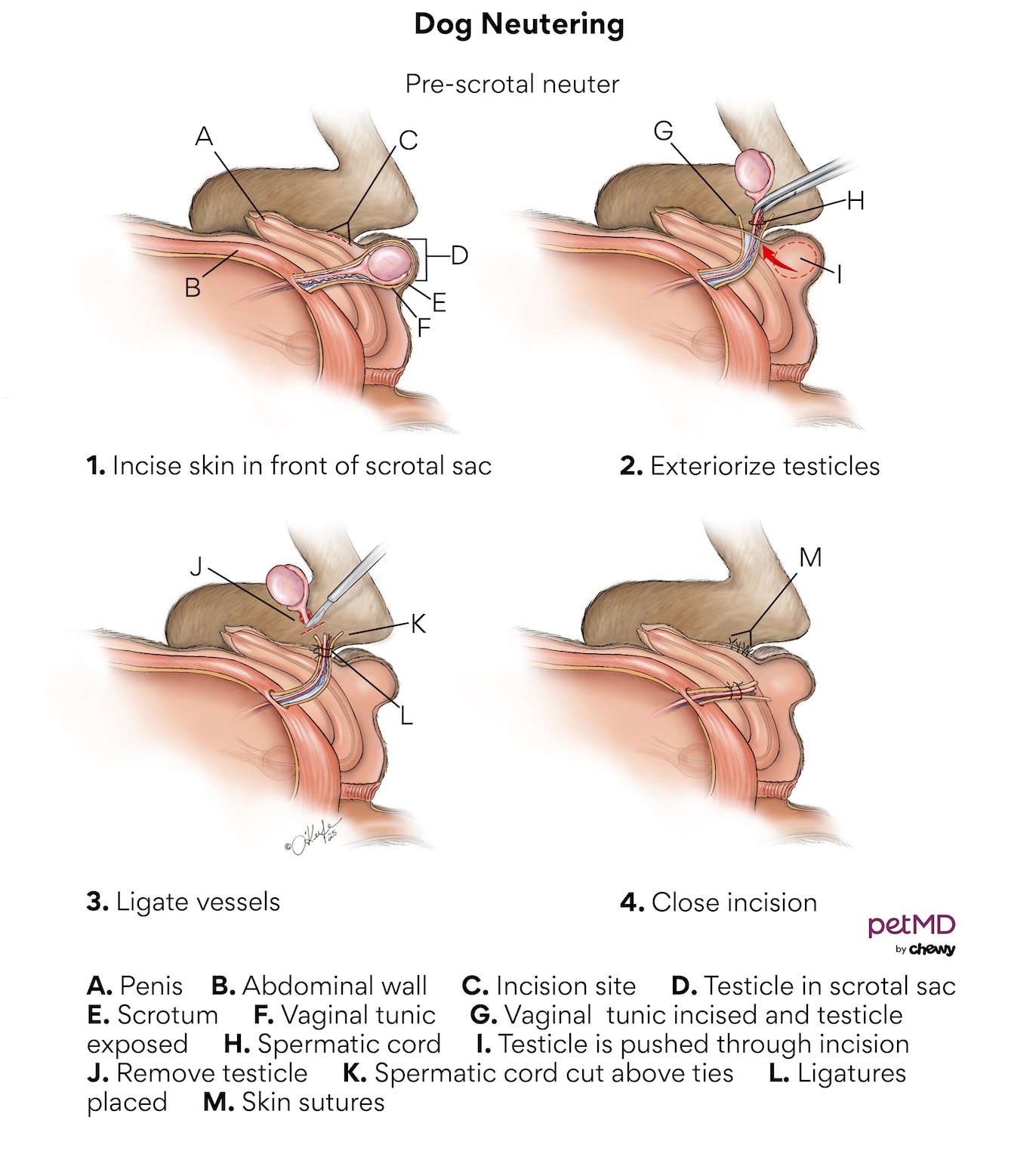
Dog behavior after neutering encompasses the shifts in temperament, activity levels, and social responses that occur as testosterone production decreases. Testosterone is a primary hormone associated with roaming, inter-male aggression, urine marking, and mounting behaviors. When this hormone diminishes following gonadectomy—the surgical removal of the testicles—certain hormone-driven impulses gradually decrease over several weeks. However, pet owners should recognize that neutering is not a universal solution for all behavioral challenges. Habits that have been practiced repeatedly over time often become deeply ingrained behavioral patterns rather than purely hormonal responses, meaning they persist even after surgery. For more related activities, check out our Dog Jealous Behavior.
The Interplay Between Physiology, Recovery, and Conduct
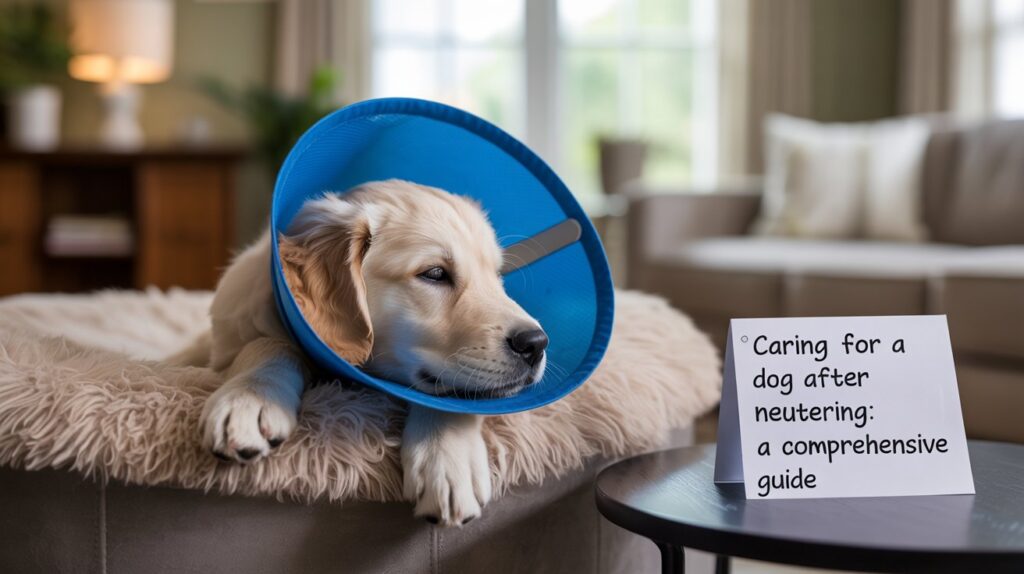
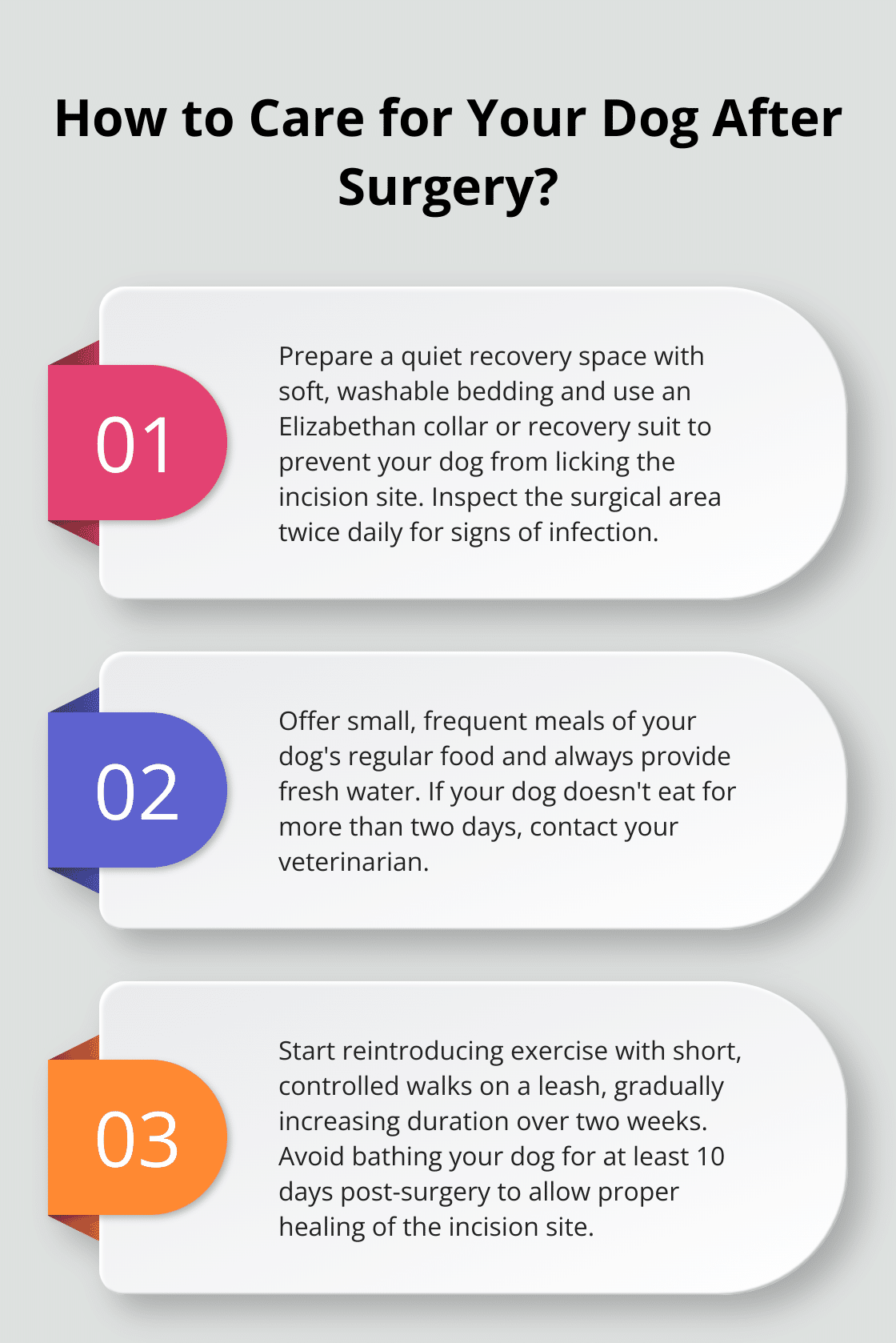
The physical recovery period introduces temporary changes in conduct that stem primarily from postoperative discomfort, restricted movement, and the residual effects of anesthesia. Pain, grogginess, or the sensation of wearing an Elizabethan collar can cause a normally outgoing canine to appear uncharacteristically withdrawn, restless, or sensitive to handling. Ensuring a calm, quiet environment during the initial healing phase helps minimize stress and prevents accidental injury at the surgical site. When dogs feel physically secure and pain-free, their normal disposition typically returns within a week or two.
Spaying and neutering can help reduce behaviors such as roaming, mounting, and certain types of aggression driven by reproductive hormones. — American Society for the Prevention of Cruelty to Animals (ASPCA)
Managing Daily Routines and Environmental Needs Safely
Managing dog behavior after neutering involves providing appropriate mental enrichment while physical exercise is temporarily restricted by veterinary orders. High-energy canines confined to crate rest or leash walks often display frustration through whining, pacing, or indoor mischief. Utilizing puzzle toys, snuffle mats, and gentle obedience games can satisfy cognitive needs without compromising the healing incision. Maintaining a predictable daily schedule also reassures the animal, reducing anxiety during a period when normal play and socialization are temporarily paused.
Practical Guidance and Common Mistakes to Avoid
Avoiding premature physical exertion stands as one of the most critical best practices during the post-surgical recovery window. Allowing a recovering animal to jump on furniture, run off-leash, or lick the incision site can lead to dehiscence, which is the splitting open of a surgical wound, or localized infection. Another common mistake is expecting immediate personality transformations; hormone clearance takes time, and behaviors linked to fear or poor socialization require targeted behavioral modification rather than surgery alone. Closely monitoring the animal and adhering strictly to veterinary aftercare instructions ensures a smooth transition.
Monitoring surgical incisions daily for redness, swelling, or discharge is essential during the immediate postoperative recovery period. — American Veterinary Medical Association (AVMA)
Pet Care & Wellness Overview Table
| Life Stage | Daily Activity Level | Key Nutrition / Care Focus |
|---|---|---|
| Puppy / Kitten | High (frequent short bursts) | High-protein growth diet & early socialization |
| Adult Companion | Moderate (30–60 mins daily) | Balanced maintenance nutrition & dental hygiene |
| Senior Pets | Low to Gentle (mindful walks) | Joint support (Glucosamine) & routine vet checks |
Images References





Breed, Age, and Developmental Influences on Post-Surgery Temperament
Individual characteristics such as breed background, developmental stage, and baseline temperament heavily influence how a canine adjusts after gonadectomy. Younger animals undergoing pediatric procedures may experience minimal disruption, whereas mature adults with established social habits might show more subtle behavioral shifts. Working or herding lines with high natural drive levels may retain intense focus and energy despite lower hormone concentrations. Recognizing that every animal responds uniquely prevents unrealistic expectations and encourages individualized care strategies.
When to Consult a Veterinarian or Professional Trainer
Consulting a licensed veterinarian or a certified professional behaviorist is necessary if unusual behavioral changes persist, such as prolonged lethargy, severe anxiety, or unexpected aggression. For guidance on Dog Health, guardians should always contact a clinical professional if the animal shows signs of postoperative complications, including fever, persistent whimpering, or loss of appetite. Furthermore, when addressing deep-seated behavioral issues like severe fearfulness or reactivity, working with a qualified trainer who employs humane, positive reinforcement methods ensures safe and effective progress.
Supporting Your Companion Through Every Life Stage
Navigating the weeks following a surgical procedure requires attentiveness to both physical healing and emotional well-being. By staying informed about normal recovery timelines and providing structured, gentle care, guardians help their animal companions settle comfortably into a balanced routine. Explore additional resources on Dog Behavior, Dog Care, and Dog Training to support your journey at PetsAnimalsWorld.com.




