

Understanding Dog Behavior Before and After Neutering
According to the American Veterinary Medical Association, understanding canine reproductive biology helps guardians make informed choices regarding surgical sterilization. The physiological shifts that occur following gonadectomy—the surgical removal of the testicles—frequently influence various aspects of daily canine conduct. Observing canine actions before the procedure establishes a baseline for post-operative evaluation. Many households notice distinct shifts in social interactions and environmental responses as circulating hormone levels gradually decline over several weeks.
💡 Pet Care Key Takeaways:
- Core Focus: Practical health, nutrition, and wellness guidelines for Dog Behavior Before And After Neutering.
- Target Scope: Pet owners, animal caregivers, and veterinary support staff.
- Best Recommendation: Maintain consistent daily routines and consult an accredited veterinarian before introducing major diet or medical changes.
Defining Canine Behavioral Changes Following Gonadectomy
Dog behavior before and after neutering encompasses measurable shifts in hormone-driven habits, though individual temperament remains largely rooted in genetics and early socialization. Prior to surgery, intact males frequently display high motivation for scent-marking, roaming in search of receptive mates, and mounting objects or other animals. Following the procedure, testosterone concentrations drop significantly, which often reduces the frequency of these specific reproductive displays. However, routine habits established over a long period may persist through muscle memory and learned association rather than pure hormonal drive.
The Influence of Hormones on Social and Emotional Expression
Surgical alterations primarily affect behaviors linked directly to reproductive competition while leaving general personality traits intact. Testosterone influences competitive confidence, territorial defense, and reactivity toward unfamiliar male conspecifics. When this hormone decreases, canine interactions in public parks or multi-dog households may show a noticeable reduction in tension. Nevertheless, fear-based reactivity or generalized anxiety rarely resolves through surgery alone, as these emotional states stem from complex developmental and environmental factors.
Neutering significantly reduces urine marking and roaming tendencies in a majority of male dogs — American Veterinary Medical Association
Managing Adaptation and Training During Post-Operative Recovery
Guiding a companion animal through the surgical transition requires a blend of physical healing support and consistent, positive reinforcement training. During the initial recovery window, restricted movement prevents surgical site complications, which can occasionally lead to pent-up energy and temporary frustration. Introducing calm indoor enrichment activities, such as puzzle feeders or scent games, helps maintain mental stimulation without jeopardizing physical healing. Humane, reward-based methods remain essential for shaping desirable habits during this transitional phase.
Best Practices and Common Misconceptions
Expecting a complete personality transformation following the procedure represents a common misconception that can complicate expectations. Surgery does not replace comprehensive socialization, nor does it automatically correct ingrained reactivity or poor household manners. Guardians should maintain structured routines, clear communication, and consistent boundaries to support positive development. It is equally important to avoid punitive or dominance-based techniques when addressing residual unwanted habits, as fear-free approaches yield safer and more reliable outcomes.
Behavioral modification combined with medical management provides the most effective approach for addressing persistent canine reactivity — American Animal Hospital Association
Pet Care & Wellness Overview Table
| Life Stage | Daily Activity Level | Key Nutrition / Care Focus |
|---|---|---|
| Puppy / Kitten | High (frequent short bursts) | High-protein growth diet & early socialization |
| Adult Companion | Moderate (30–60 mins daily) | Balanced maintenance nutrition & dental hygiene |
| Senior Pets | Low to Gentle (mindful walks) | Joint support (Glucosamine) & routine vet checks |
Images References


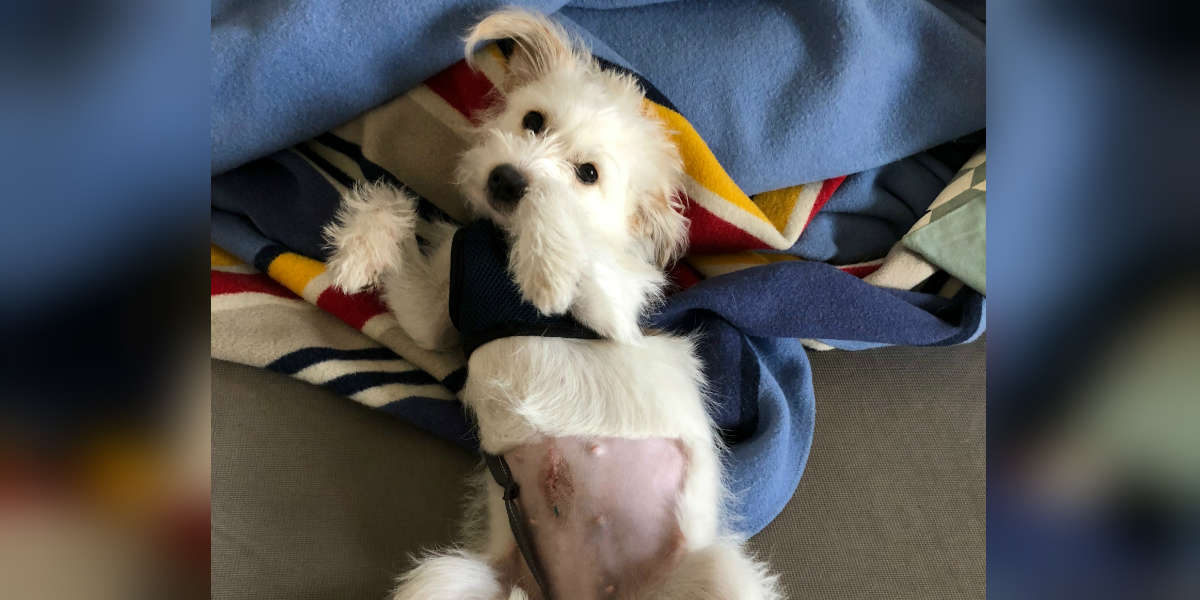


Age, Breed, and Individual Variables in Behavioral Responses
Individual responses to gonadectomy vary widely based on developmental stage, genetic predispositions, and the specific environment in which the animal matures. Adolescent subjects often display rapid shifts as the procedure intercepts the peak of sexual maturation. In contrast, older adults with deeply ingrained habits may exhibit minimal behavioral changes because their actions are reinforced by long-term routine. Exploring resources on Dog Behavior and reviewing guidance tailored to specific Dog Breeds helps owners anticipate how maturity might intersect with surgical outcomes.
When to Consult a Veterinarian or Professional Behaviorist
Persistent behavioral challenges that compromise safety or quality of life require professional evaluation beyond routine surgical management. If sudden aggression, severe anxiety, or compulsive habits emerge or fail to improve after recovery, consulting a veterinarian or a certified animal behaviorist is essential. Medical discomfort, underlying pain, or cognitive dysfunction can manifest as behavioral changes that mimic hormonal issues. For further guidance on keeping companions healthy and secure, explore resources on Dog Health and Dog Training.
Closing Guidance for Dedicated Dog Guardians
Navigating the physical and emotional development of a canine companion involves patience, education, and attentive observation throughout every life stage. While surgical sterilization influences specific hormone-driven actions, the foundation of a well-adjusted companion relies on consistent positive reinforcement and attentive day-to-day management. Explore more expert advice, care tips, and educational resources by visiting PetsAnimalsWorld.com to support a thriving, balanced life for your animal family members.




