

Understanding Early Signs and Changes in Dog Behavior Before Heat
Recognizing the subtle shifts in canine conduct during the weeks leading up to an estrus cycle is essential for maintaining a safe, comfortable environment. According to the American Kennel Club, understanding the canine reproductive cycle helps owners anticipate physical and emotional changes long before visible signs appear. Proactive observation allows households to prepare appropriately, minimizing stress for both the animal and human family members.
💡 Pet Care Key Takeaways:
- Core Focus: Practical health, nutrition, and wellness guidelines for Dog Behavior Before Heat.
- Target Scope: Pet owners, animal caregivers, and veterinary support staff.
- Best Recommendation: Maintain consistent daily routines and consult an accredited veterinarian before introducing major diet or medical changes.
Recognizing Proestrus and Shifts in Canine Conduct
Dog behavior before heat encompasses the initial hormonal fluctuations of proestrus, which typically precedes the active breeding phase. During this preparatory stage, rising estrogen levels trigger noticeable modifications in temperament, scent marking, and social interactions. Canines might display increased clinginess, seeking constant attention from household members, or conversely, unexpected bouts of independence and aloofness. Restlessness, pacing, and altered sleeping patterns also frequently emerge as internal biological clocks signal upcoming reproductive changes.
Managing Physical and Emotional Adjustments During the Cycle
Navigating these hormonal shifts requires a balanced approach focused on comfort, security, and stress reduction. Canines experiencing hormonal surges may become more sensitive to environmental stimuli, leading to heightened alertness or mild anxiety. Owners can support their pets by maintaining predictable daily routines, providing quiet resting spaces away from household commotion, and ensuring physical outlets remain calm and controlled. Incorporating regular guidance from Dog Health resources helps ensure physiological needs are met safely throughout the process.
Female dogs typically experience their first estrus cycle between six and twelve months of age, though larger breeds may mature later. — American Kennel Club
Practical Strategies for Supervision and Environmental Management
Effective supervision is the cornerstone of responsible care during the pre-heat and active estrus phases. Unsterilized females emit subtle pheromones that attract male dogs from significant distances, making outdoor management critical for preventing unplanned pregnancies. Securing yard boundaries, keeping animals on a leash during walks, and avoiding off-leash dog parks protect the pet from unwanted advances and potential conflicts.
Best Practices and Common Management Oversights
Establishing consistent protocols helps prevent common mistakes, such as underestimating a dog’s agility or determination to escape secure areas. Reliable management relies on physical barriers rather than strict reliance on verbal recall, as hormonal drives can override trained obedience. Furthermore, punishing anxious or restless conduct is counterproductive; instead, rewarding calm demeanor builds positive associations and lowers overall stress levels. Exploring structured advice via Dog Training can provide humane techniques for redirecting nervous energy.
Hormonal fluctuations during proestrus and estrus can significantly influence scent-marking habits and social tolerance toward other animals. — American Society for the Prevention of Cruelty to Animals
Pet Care & Wellness Overview Table
| Life Stage | Daily Activity Level | Key Nutrition / Care Focus |
|---|---|---|
| Puppy / Kitten | High (frequent short bursts) | High-protein growth diet & early socialization |
| Adult Companion | Moderate (30–60 mins daily) | Balanced maintenance nutrition & dental hygiene |
| Senior Pets | Low to Gentle (mindful walks) | Joint support (Glucosamine) & routine vet checks |
Images References


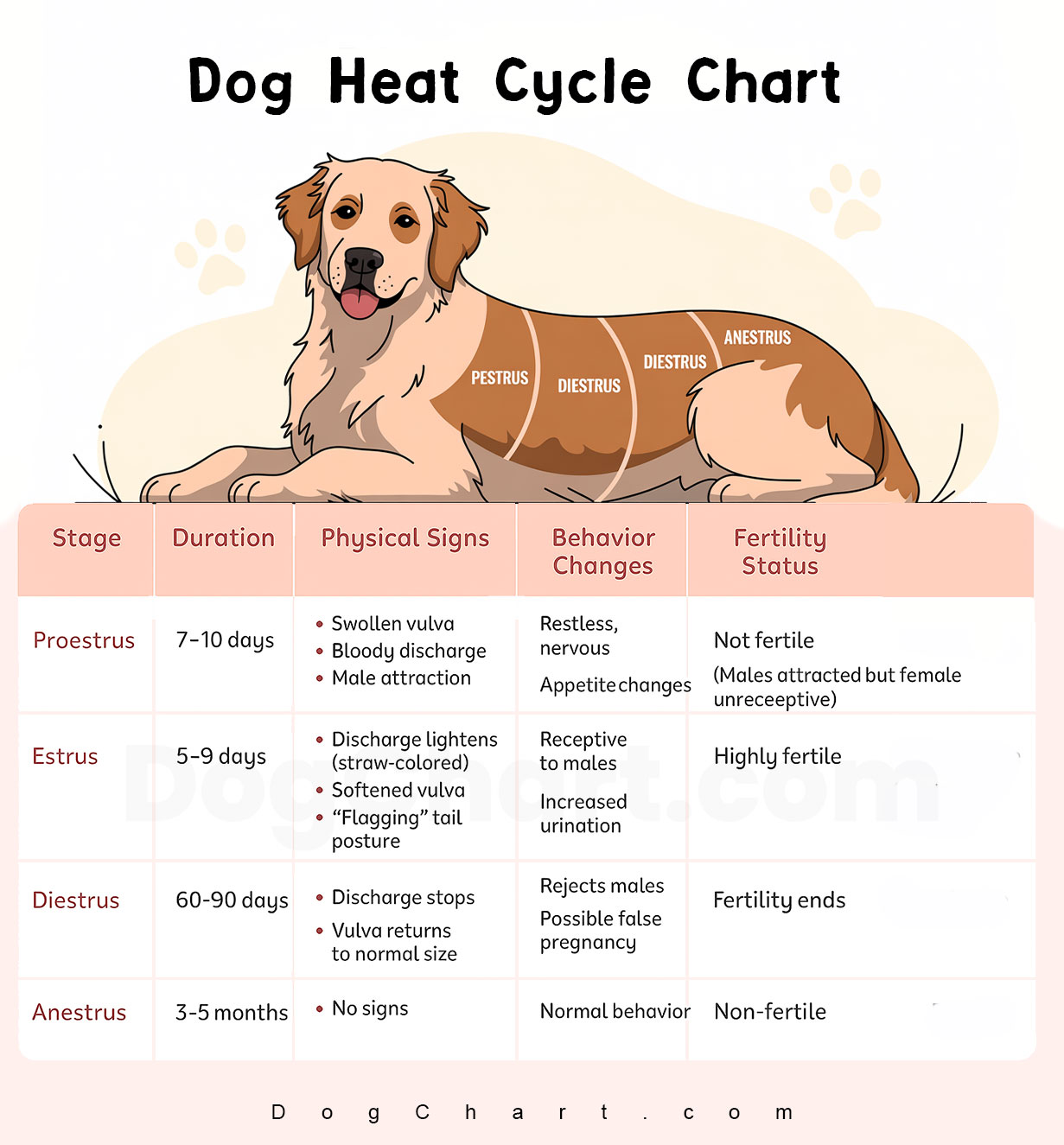


Breed, Age, and Size Factors Influencing Pre-Heat Conduct
Individual variations in temperament, physical maturity, and breed heritage strongly shape how a dog responds to hormonal shifts. Smaller breeds frequently reach sexual maturity earlier than giant breeds, sometimes exhibiting behavioral changes as early as five months of age. Working or herding groups might display heightened environmental scanning and intense focus during proestrus, while companion breeds may exhibit more noticeable clinginess and vocalization. Recognizing these individual predispositions ensures that care strategies remain tailored to the specific needs of the animal rather than relying on generalized assumptions.
When to Consult a Veterinary Professional
While normal hormonal shifts create temporary behavioral adjustments, certain signs warrant professional veterinary evaluation. Excessive lethargy, prolonged or unusually heavy bleeding, signs of intense abdominal discomfort, or sudden severe aggression require immediate medical attention to rule out underlying reproductive disorders such as pyometra or uterine infections. A licensed veterinarian can perform comprehensive diagnostic examinations to ensure the animal remains healthy and comfortable throughout every stage of the reproductive cycle. For general wellness guidance, consulting resources found in Dog Care can also be beneficial.
Supporting Canine Wellness Through Every Life Stage
Navigating the complexities of canine reproduction requires patience, observation, and informed decision-making from dedicated owners. By understanding the physiological drivers behind shifting conduct and maintaining a secure, supportive environment, households can ensure their pets navigate these natural phases with minimal stress. Exploring further educational materials on PetsAnimalsWorld.com and reviewing insights within Dog Behavior helps build a comprehensive foundation for lifelong canine wellness.




