

Understanding Dog Behavior Assessment for Modern Canine Care
According to the American Society for Prevention of Cruelty to Animals (ASPCA), behavioral issues are among the primary reasons owners seek guidance or consider rehoming, making structured observation a vital component of responsible animal guardianship. Decoding what a dog communicates through physical posture, vocalizations, and environmental responses helps establish a harmonious household. Every canine possesses a unique personality shaped by genetics, socialization history, and daily routines. Recognizing subtle signals early prevents minor misunderstandings from escalating into entrenched behavioral challenges. Observing a dog relaxing in a sunny patch versus freezing in place when a stranger approaches highlights the broad spectrum of emotional states that humans must learn to interpret correctly.
💡 Pet Care Key Takeaways:
- Core Focus: Practical health, nutrition, and wellness guidelines for Dog Behavior Assessment.
- Target Scope: Pet owners, animal caregivers, and veterinary support staff.
- Best Recommendation: Maintain consistent daily routines and consult an accredited veterinarian before introducing major diet or medical changes.
Defining Dog Behavior Assessment in Everyday Contexts
A dog behavior assessment is a systematic evaluation of how an animal reacts to specific stimuli, environments, and social interactions. Rather than relying on guesswork, this evidence-informed process examines physiological indicators like respiration rate, eye contact, body tension, and ear carriage. Ethology, the scientific study of animal behavior, provides the foundation for reading these cues accurately without projecting human emotions onto the animal. Professionals evaluate whether a response stems from excitement, curiosity, fear, or pain. Understanding these root causes ensures that subsequent management strategies align with the emotional reality of the animal.
The Critical Impact of Behavioral Evaluation on Health and Welfare
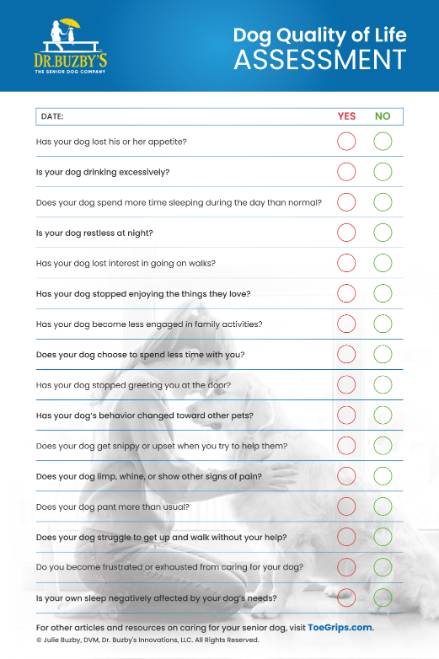
Recognizing changes in canine conduct serves as an essential window into overall Dog Health and physical comfort. Pain or underlying medical conditions frequently manifest as sudden shifts in temperament, increased reactivity, or withdrawal from social interaction. For instance, a dog reluctant to climb stairs may not be experiencing a stubborn streak, but rather early-stage joint discomfort. Regular monitoring bridges the gap between physical medicine and emotional wellness, ensuring that subtle signs of distress are addressed before compounding into chronic issues.
Behavioral changes frequently serve as the earliest observable indicators of underlying medical discomfort or systemic illness in companion animals. — American Animal Hospital Association
Implementing Effective Observation and Management Strategies
Conducting a thoughtful observation of canine conduct requires a controlled environment and an understanding of positive reinforcement principles. Instead of correcting symptoms after the fact, handlers focus on identifying specific triggers that elicit fear, anxiety, or hyper-arousal. Desensitization and counter-conditioning—gradual exposure paired with high-value rewards—help shift a negative emotional response into a neutral or positive association. Clear communication and predictable daily routines reduce ambient stress, fostering an environment where emotional stability can flourish naturally.
Best Practices and Common Missteps in Canine Evaluation
Avoiding punitive or dominance-based techniques is paramount during any evaluation, as intimidation increases fear and undermines trust. A common misstep involves forcing a dog into unfamiliar situations under the assumption that the animal will eventually get used to the stress. Instead, modern Dog Training emphasizes agency, allowing the dog to choose withdrawal when overwhelmed. Respecting these boundaries creates a safer framework for accurate assessment and sustainable long-term progress.
The American Veterinary Society of Animal Behavior emphasizes that punishment-based training methods suppress warning behaviors without addressing the underlying emotional driver, elevating the risk of unprovoked defensive responses. — American Veterinary Society of Animal Behavior
Pet Care & Wellness Overview Table
| Life Stage | Daily Activity Level | Key Nutrition / Care Focus |
|---|---|---|
| Puppy / Kitten | High (frequent short bursts) | High-protein growth diet & early socialization |
| Adult Companion | Moderate (30–60 mins daily) | Balanced maintenance nutrition & dental hygiene |
| Senior Pets | Low to Gentle (mindful walks) | Joint support (Glucosamine) & routine vet checks |
Images References




Breed, Age, and Temperament Variables in Canine Assessments
Individual assessments must always account for a dog’s specific developmental stage, breed background, and individual temperament. A herding breed may display strong instinctual nipping or circling behaviors that require appropriate mental outlets rather than behavioral suppression. Similarly, adolescent dogs navigate hormonal shifts that temporarily alter responsiveness and impulse control, a phase thoroughly explored within resources dedicated to Dog Breeds. Tailoring expectations to match the biological and psychological profile of the specific animal prevents misplaced frustration.
When to Consult a Veterinarian or Certified Behavior Professional
Persistent aggression, severe separation anxiety, compulsive actions, or sudden unexplained personality shifts require immediate consultation with a qualified professional. A thorough physical examination by a veterinarian rules out medical contributors before a certified animal behaviorist designs a comprehensive modification plan. Early intervention by qualified experts protects the well-being of both the animal and the household, ensuring that safety and humane treatment remain top priorities.
Building Lasting Harmony Through Informed Understanding
Mastering the principles of canine behavioral evaluation transforms daily management into a collaborative partnership built on mutual trust. By continuously educating oneself through reliable resources covering proper Dog Care, owners lay the groundwork for a safe and enriching life together. Explore further guidance across PetsAnimalsWorld.com to support every stage of the journey.




