

Understanding Post-Operative Shifts in Canine Conduct
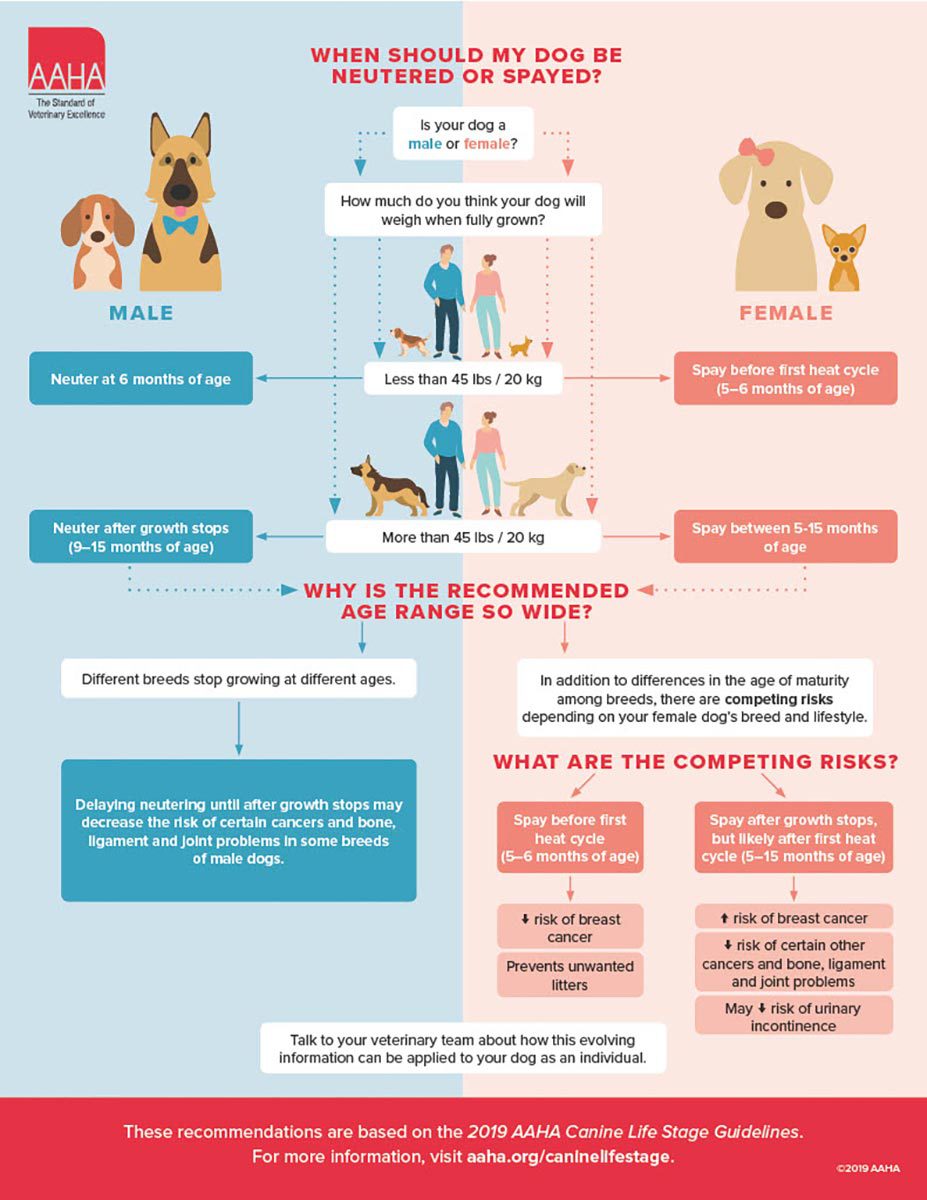
Navigating canine wellness involves monitoring both physical recovery and psychological adjustments following surgical interventions like ovariohysterectomy, commonly known as spaying. According to the American Society for the Prevention of Cruelty to Animals (ASPCA), spaying provides significant health advantages by eliminating the risk of uterine infections and ovarian cancer while also influencing certain hormone-driven habits. Observing a dog behavior change after spay is a frequent topic of discussion among households dedicated to optimal Dog Care. Many individuals notice distinct variations in daily routines, energy outputs, and social interactions once the reproductive organs are removed. Recognizing what constitutes a normal adjustment period helps distinguish typical post-surgical recovery from underlying concerns that require veterinary attention.
💡 Pet Care Key Takeaways:
- Core Focus: Practical health, nutrition, and wellness guidelines for Dog Behavior Change After Spay.
- Target Scope: Pet owners, animal caregivers, and veterinary support staff.
- Best Recommendation: Maintain consistent daily routines and consult an accredited veterinarian before introducing major diet or medical changes.
Defining Shifts in Temperament and Routine
A dog behavior change after spay encompasses any measurable alteration in a canine’s psychological responses, activity levels, or social engagement following the surgical procedure. Hormones such as estrogen play a substantial role in modulating mood, territorial drive, and cyclical restlessness. When these hormonal influences are permanently removed, the animal’s internal chemistry undergoes a notable recalibration. While some dogs maintain their usual energetic dispositions, others exhibit a noticeable calming effect or decreased interest in roaming. These modifications generally emerge gradually over several weeks as the endocrine system stabilizes and the surgical incision heals completely.
Physiological Factors Influencing Post-Surgical Conduct
The physiological impact of gonadectomy extends directly into metabolism, energy regulation, and emotional stability. Metabolic rates often decrease following surgery, which alters caloric needs and can indirectly influence daily activity if weight management is overlooked. Additionally, the sudden drop in circulating sex hormones frequently reduces hormone-mediated anxiety or heat-related agitation. However, surgical procedures can also induce temporary discomfort or stress, temporarily altering how an animal reacts to environmental stimuli during the healing phase.
Spaying reduces the influence of reproductive hormones that often drive roaming behaviors and territorial marking in female canines. — American Society for the Prevention of Cruelty to Animals (ASPCA)
Managing Adjustments Through Positive Reinforcement
Guiding an animal through post-operative adjustments requires patience, consistent routines, and gentle, science-backed handling methods. Punitive or dominance-based techniques must be strictly avoided, especially when animals are vulnerable or recovering from physical trauma. Establishing calm environments helps reduce any underlying stress associated with veterinary visits and surgical recovery. When addressing unwanted habits that persist beyond the healing window, consulting resources focused on Dog Training ensures that humane, reward-based strategies are utilized to shape desirable conduct.
Best Practices and Common Pitfalls During Recovery
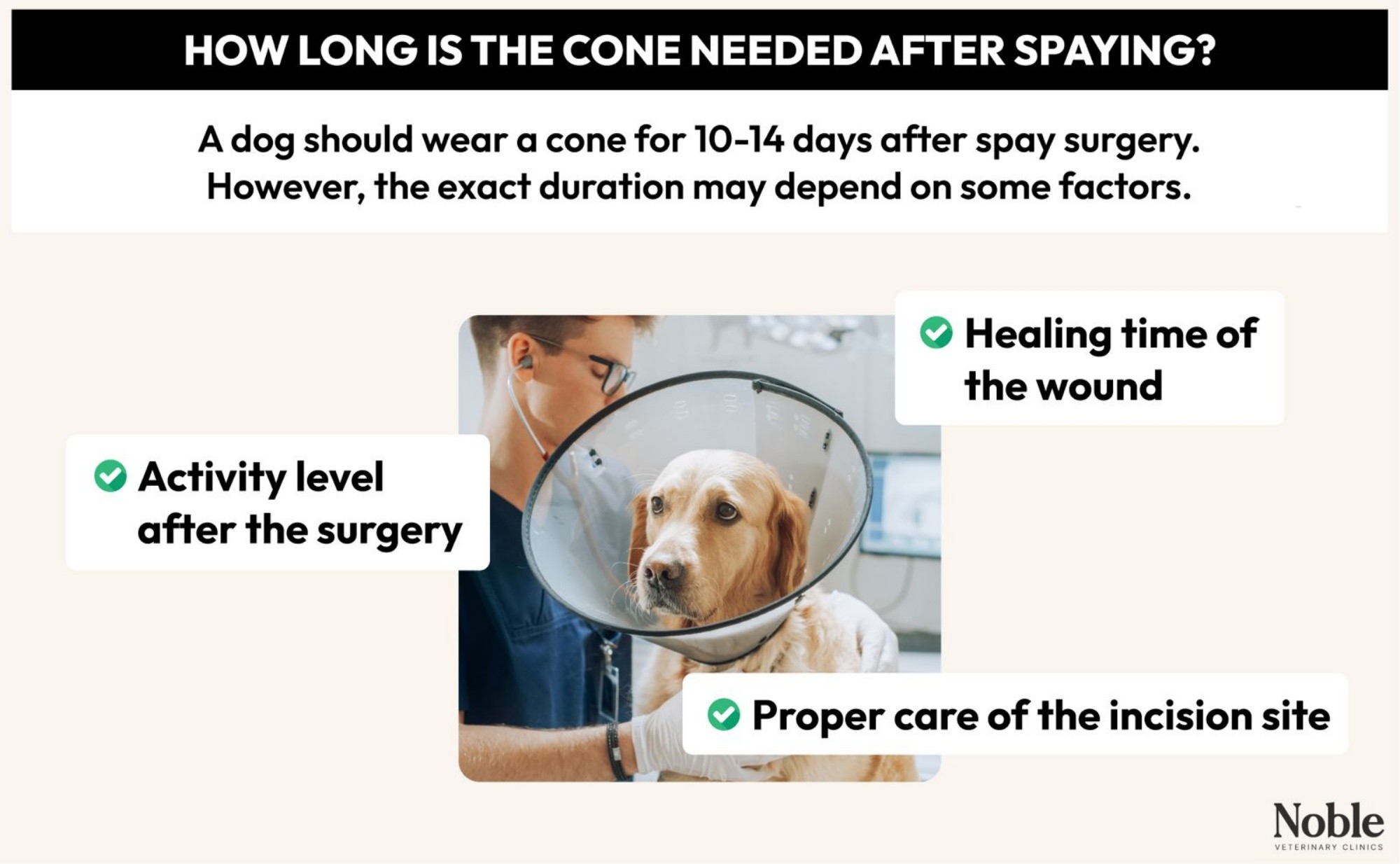
Maintaining strict activity restriction during the initial healing window is critical for preventing surgical complications, yet confinement can sometimes trigger cabin fever or restlessness. Owners should avoid letting overly energetic dogs leap onto furniture or engage in vigorous play too soon. Implementing gentle mental enrichment activities, such as puzzle feeders or scent games, provides constructive outlets for cognitive energy without compromising physical safety. Monitoring food portions carefully is equally vital, as reduced caloric requirements can quickly lead to unwanted weight gain if dietary adjustments are ignored.
Metabolic energy requirements can decrease by a measurable margin following gonadectomy, necessitating careful dietary oversight to maintain optimal body condition. — Association of American Feed Control Officials (AAFCO)
Pet Care & Wellness Overview Table
| Life Stage | Daily Activity Level | Key Nutrition / Care Focus |
|---|---|---|
| Puppy / Kitten | High (frequent short bursts) | High-protein growth diet & early socialization |
| Adult Companion | Moderate (30–60 mins daily) | Balanced maintenance nutrition & dental hygiene |
| Senior Pets | Low to Gentle (mindful walks) | Joint support (Glucosamine) & routine vet checks |
Images References




Age, Breed, and Individual Variances in Temperament
Individual responses to surgical sterilization vary widely based on age, developmental stage, breed background, and baseline temperament. Juvenile canines often adapt smoothly with minimal disruption to their developing personalities. Conversely, mature animals with established behavioral repertoires may show more subtle shifts, as lifelong habits are less dependent on hormones alone. Exploring profiles within Dog Breeds illustrates how working drives, independent tendencies, or social predispositions interact with physiological milestones across different life stages.
When to Consult a Veterinarian or Professional Behaviorist
Professional guidance becomes necessary if post-operative adjustments involve sudden aggression, persistent lethargy, or signs of unresolved pain. Any abrupt change that compromises the animal’s well-being warrants a prompt clinical evaluation to rule out underlying medical complications or surgical site infections. For complex behavioral concerns that do not resolve following the recovery period, seeking assistance from a qualified veterinary behaviorist or a certified positive-reinforcement trainer ensures a safe and comprehensive assessment.
Supporting Canine Well-Being Through Every Life Stage
Monitoring a dog behavior change after spay allows families to provide informed, compassionate support throughout the recovery journey and beyond. Balancing physical health, appropriate nutrition, and humane handling creates a stable foundation for long-term canine wellness. Exploring additional resources across Dog Health and related sections helps ensure every decision aligns with best practices in modern animal stewardship. Visit PetsAnimalsWorld.com regularly for more expert guidance on keeping companions healthy, balanced, and thriving.




