
Recognizing the Subtle Signs at the End of Life
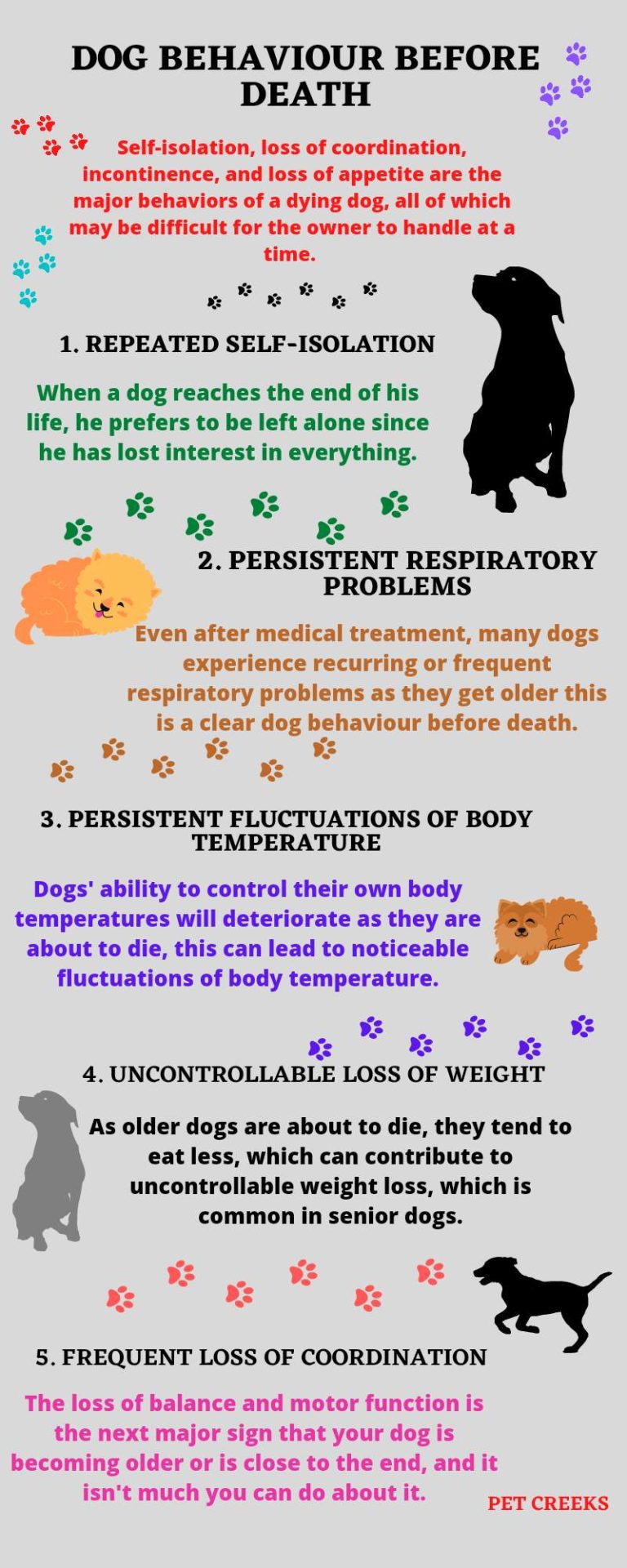
Understanding dog behavior before they die helps families navigate a sensitive and emotionally challenging phase of pet ownership. According to the American Veterinary Medical Association, recognizing shifting behavioral patterns allows caregivers to make informed, compassionate decisions regarding comfort and palliative support. As domestic canines reach the final chapter of life, internal physiological changes directly influence how they interact with their environment, human companions, and other household animals. Observing these shifts requires quiet attentiveness, as canine communication often becomes much more subtle during advanced illness or extreme senescence, which refers to the biological process of growing old.
💡 Pet Care Key Takeaways:
- Core Focus: Practical health, nutrition, and wellness guidelines for Dog Behavior Before They Die.
- Target Scope: Pet owners, animal caregivers, and veterinary support staff.
- Best Recommendation: Maintain consistent daily routines and consult an accredited veterinarian before introducing major diet or medical changes.
Interpreting Shifts in Canine Demeanor and Activity
Dog behavior before they die typically encompasses profound decreases in overall activity, profound lethargy, and noticeable alterations in social engagement. Lethargy extends far beyond normal canine napping, presenting as a marked reluctance to stand up, greet family members at the door, or respond to favorite toys and familiar stimuli. Many animals experience sensory decline, including diminishing vision and hearing, which naturally increases startle responses or causes a dog to seem disoriented in familiar rooms. Withdrawal is another widespread observation; an aging companion might seek out isolated spaces like closets, behind furniture, or quiet corners of the yard, relying on instinctual self-preservation behaviors when feeling physically vulnerable.
Physical and Neurological Influences on Daily Conduct
Underlying physiological deterioration, systemic organ decline, and cognitive dysfunction syndrome all contribute heavily to end-of-life behavioral changes. Chronic discomfort from conditions like osteoarthritis can manifest as restlessness, panting without exertion, or sudden reluctance to climb stairs, which owners might mistakenly attribute solely to stubbornness rather than underlying pain. Neurological shifts may cause nighttime pacing, vocalization, or confusion, disrupting standard sleep-wake cycles. Proper Dog Health management becomes crucial during this window to ensure that pain management and palliative care measures adequately address physical suffering before it heavily dictates behavior.
Veterinary guidance emphasizes that monitoring progressive changes in mobility, appetite, and social interaction provides the most accurate reflection of a terminal dog’s daily quality of life. — American Veterinary Medical Association
Providing Comfort and Supportive Environmental Care
Adapting the home environment to accommodate shifting behavior ensures safety and reduces anxiety during a dog’s final days. Caregivers can assist by placing non-slip rugs over hardwood surfaces to prevent slips, setting up easily accessible water bowls in multiple rooms, and providing extra-cushioned orthopedic bedding. Maintaining a calm, predictable daily routine minimizes stress, while gentle verbal reassurance and soft petting offer comfort without overwhelming a sensitive animal. For comprehensive guidance on maintaining overall wellbeing throughout various life stages, reviewing general principles of Dog Care can help families prepare practical coping strategies well in advance.
Best Practices and Common Missteps in End-of-Life Care
Navigating this delicate period requires patience, careful observation, and avoidance of well-intentioned mistakes that might inadvertently cause distress. Forcing an isolated dog into crowded rooms or attempting excessive physical activity can heighten anxiety and discomfort. Instead, allow the animal to dictate proximity and rest schedules. Providing balanced nutrition tailored to geriatric needs remains important, though forced feeding should be avoided if appetite has naturally ceased due to advanced organ failure. Keeping a daily log of water intake, elimination habits, and mood fluctuations helps families track progression objectively, assisting veterinary teams during palliative consultations.
Canine cognitive decline shares many neuropathological similarities with human dementia, frequently resulting in altered sleep patterns, pacing, and unfamiliar reactivity near the end of life. — American Kennel Club
Pet Care & Wellness Overview Table
| Life Stage | Daily Activity Level | Key Nutrition / Care Focus |
|---|---|---|
| Puppy / Kitten | High (frequent short bursts) | High-protein growth diet & early socialization |
| Adult Companion | Moderate (30–60 mins daily) | Balanced maintenance nutrition & dental hygiene |
| Senior Pets | Low to Gentle (mindful walks) | Joint support (Glucosamine) & routine vet checks |
Images References


Individual Variations Across Breeds and Life Stages
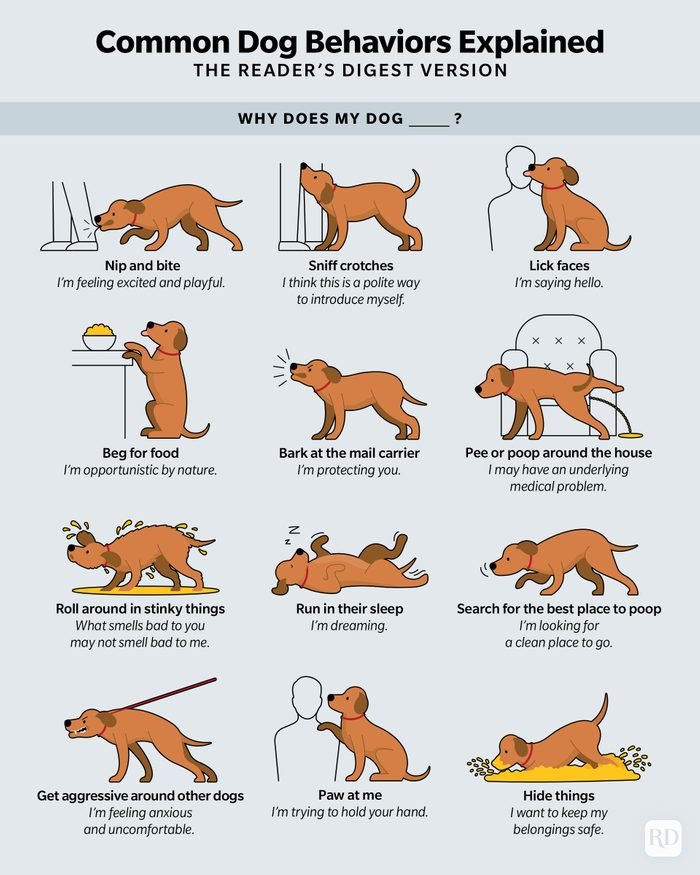
The manifestation of end-of-life conduct varies considerably depending on breed size, genetic predisposition, and lifetime health history. Giant breeds often experience significant mobility decline much earlier in their senior years compared to smaller companion dogs, influencing how physical weakness presents behaviorally. Working or herding lineages might display persistent protective instincts even when physically exhausted, whereas calmer companion breeds may withdraw much earlier. Understanding distinct traits associated with various Dog Breeds assists owners in contextualizing what normal decline looks like for their specific canine companion.
When to Consult a Veterinary Professional
Professional veterinary guidance is indispensable when evaluating acute behavioral shifts, persistent distress, or sudden pain near the end of a dog’s life. If an animal displays signs of severe agitation, unrelenting whimpering, acute respiratory distress, or complete inability to swallow water, immediate veterinary evaluation is necessary to discuss palliative interventions or humane euthanasia options. Veterinarians can objectively assess physiological parameters, adjust pain management protocols, and help families navigate difficult decisions with clarity, compassion, and professional expertise.
Supporting Your Companion Through Compassionate Awareness
Recognizing the complex behavioral patterns that emerge as a companion animal approaches the end of life allows owners to provide a peaceful, dignified transition. By prioritizing comfort, managing environmental stressors, and maintaining close communication with veterinary professionals, families honor the deep bond shared with their pets. Explore additional resources and expert advice across Dog Behavior and other specialized sections by visiting PetsAnimalsWorld.com to ensure every phase of a canine’s life is met with knowledge and empathy.




