
Understanding the Physiological and Behavioral Shifts Leading Up to Canine Whelping
Recognizing the subtle yet distinct changes in a pregnant canine requires keen observation, as understanding dog behavior before labor helps ensure a smooth and safe delivery process. According to the American Kennel Club, preparation for birth begins weeks before the actual event, culminating in profound hormonal and environmental adjustments. As the endocrine system shifts to initiate parturition—the medical term for the birth process—expectant mothers undergo a cascade of internal changes that directly influence outward actions. Familiarity with these patterns allows caregivers to provide appropriate support, reduce unnecessary stress, and identify potential complications before they escalate into emergencies.
💡 Pet Care Key Takeaways:
- Core Focus: Practical health, nutrition, and wellness guidelines for Dog Behavior Before Labor.
- Target Scope: Pet owners, animal caregivers, and veterinary support staff.
- Best Recommendation: Maintain consistent daily routines and consult an accredited veterinarian before introducing major diet or medical changes.
Interpreting Pre-Labor Behavioral Indicators and Nesting Instincts
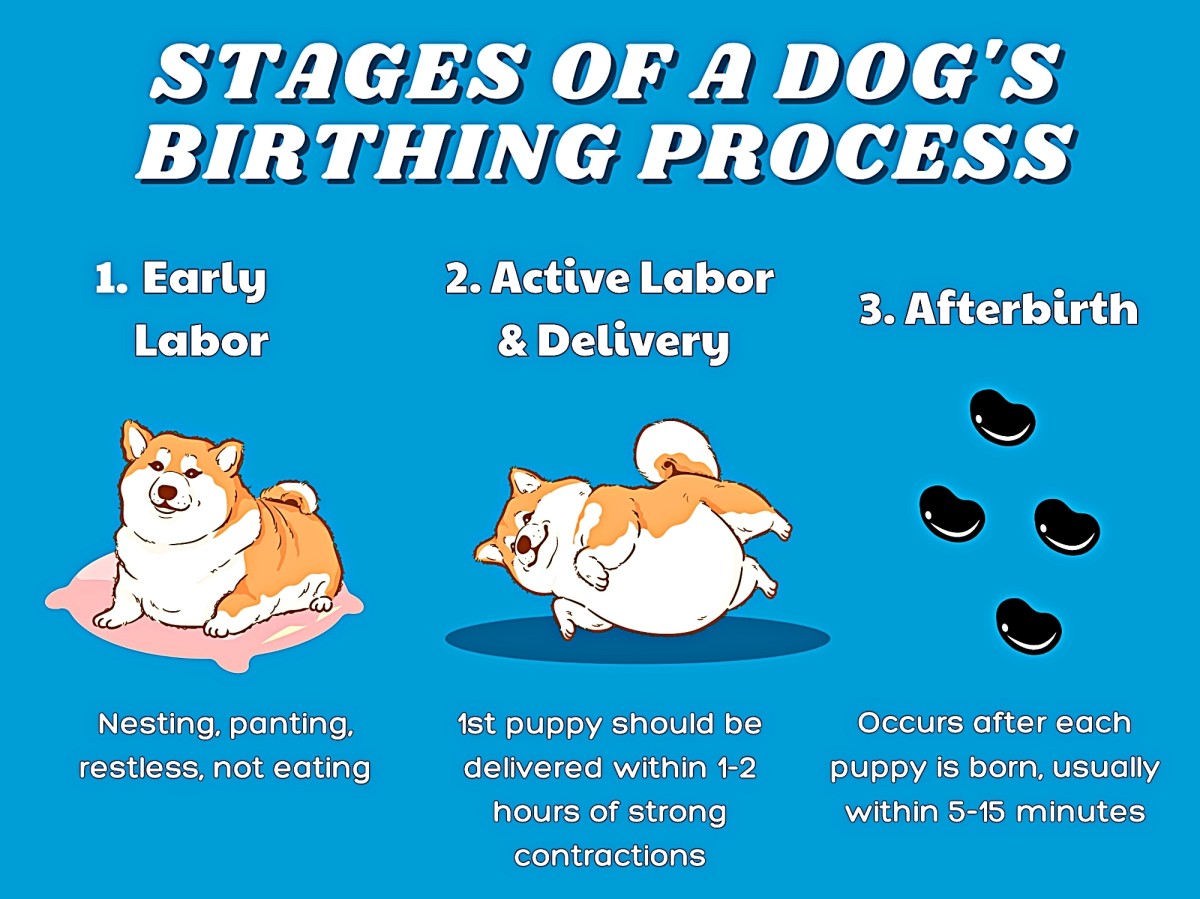
Pre-labor behavior in dogs is characterized primarily by nesting instincts, restlessness, and a noticeable search for a secure, secluded whelping box. Nesting involves scratching at bedding, rearranging blankets, and isolating oneself from other household pets and human family members. This innate drive is triggered by a sudden drop in progesterone levels, which typically occurs roughly twenty-four hours before the onset of stage one labor. Alongside digging and circling, respiratory rates may increase, and some individuals exhibit mild panting or shivering as body temperature drops below normal resting levels, signaling that the first stage of birth is imminent.
Managing Environmental Comfort and Nutritional Adjustments
Providing an optimal environment and appropriate nutrition during the final gestation phase directly impacts the physical well-being and psychological comfort of the expectant mother. Quiet, low-traffic areas equipped with clean, washable bedding help minimize anxiety during the restless nesting phase, supporting natural hormonal rhythms without external disruptions. Proper Dog Nutrition throughout pregnancy ensures adequate energy reserves, though appetite often declines sharply in the final twenty-four hours due to abdominal compression from growing puppies and impending hormonal shifts. Careful monitoring of food intake and water availability maintains hydration and strength, laying the groundwork for a successful recovery as outlined in general Dog Care guidelines.
A sudden drop in core body temperature below 99 degrees Fahrenheit typically signals that first-stage labor will begin within 24 hours. — American Kennel Club
Practical Guidance for Monitoring and Assisting During the Whelping Phase
Observing from a respectful distance while remaining accessible ensures that human intervention occurs only when genuinely necessary for maternal and neonatal safety. Caregivers should track uterine contractions, the duration of gestation, and any physical signs of distress without crowding or overwhelming the animal. Maintaining a calm, reassuring presence helps keep cortisol levels low, promoting a smooth transition into active labor. Documenting the timeline of contractions and subsequent puppy arrivals provides valuable reference points should veterinary consultation become necessary.
Essential Best Practices and Common Pitfalls to Avoid
Avoiding excessive interference is paramount, as human anxiety can inadvertently heighten maternal stress and disrupt the natural progression of delivery. Well-meaning owners frequently make the mistake of repeatedly repositioning the nesting box or constantly handling the expectant mother, which can trigger defensive posturing or cause her to seek an even more isolated hiding spot. Best practices dictate keeping the whelping area draft-free, dimly lit, and strictly off-limits to other household pets and visiting guests. Establishing this secure boundary preserves a tranquil atmosphere essential for undisturbed whelping.
Constant monitoring from a quiet distance allows prompt identification of abnormal delays between puppy deliveries without causing maternal anxiety. — American Veterinary Medical Association
Pet Care & Wellness Overview Table
| Life Stage | Daily Activity Level | Key Nutrition / Care Focus |
|---|---|---|
| Puppy / Kitten | High (frequent short bursts) | High-protein growth diet & early socialization |
| Adult Companion | Moderate (30–60 mins daily) | Balanced maintenance nutrition & dental hygiene |
| Senior Pets | Low to Gentle (mindful walks) | Joint support (Glucosamine) & routine vet checks |
Images References





Breed-Specific Considerations and Anatomical Variations
Physical conformation, genetic background, and individual temperament significantly influence how different Dog Breeds experience and display pre-labor signs. Brachycephalic breeds—dogs with shortened facial structures—and toy varieties often require closer veterinary oversight due to higher incidences of dystocia, which is the medical term for difficult birth. Conversely, larger working or sporting breeds may display more self-reliant nesting behaviors, occasionally requiring minimal human intervention. Understanding the specific physiological traits associated with a particular lineage helps owners tailor their preparation and recognize when anatomical constraints might impede natural delivery.
When to Consult a Veterinarian or Professional Animal Health Specialist
Immediate veterinary guidance is required if pre-labor restlessness persists for more than twenty-four hours without the onset of active contractions, or if green or dark bloody discharge appears before any puppies are born. Persistent vomiting, extreme lethargy, or signs of acute pain warrant an urgent professional evaluation to rule out maternal distress, uterine inertia, or fetal obstruction. For ongoing guidance regarding normal Dog Behavior and health monitoring, consulting a licensed veterinarian ensures that both maternal and neonatal safety remain protected throughout the entire reproductive cycle.
Supporting Canine Wellness Through Every Life Stage
Preparing for new litters demands patience, careful observation, and a solid understanding of canine physiology to navigate the complexities of gestation and birth successfully. By maintaining a clean environment, respecting maternal instincts, and recognizing red flags early, caregivers play an invaluable role in safeguarding animal health. Explore additional expert resources, care guides, and educational articles by visiting PetsAnimalsWorld.com to support responsible pet ownership across all developmental phases.




