
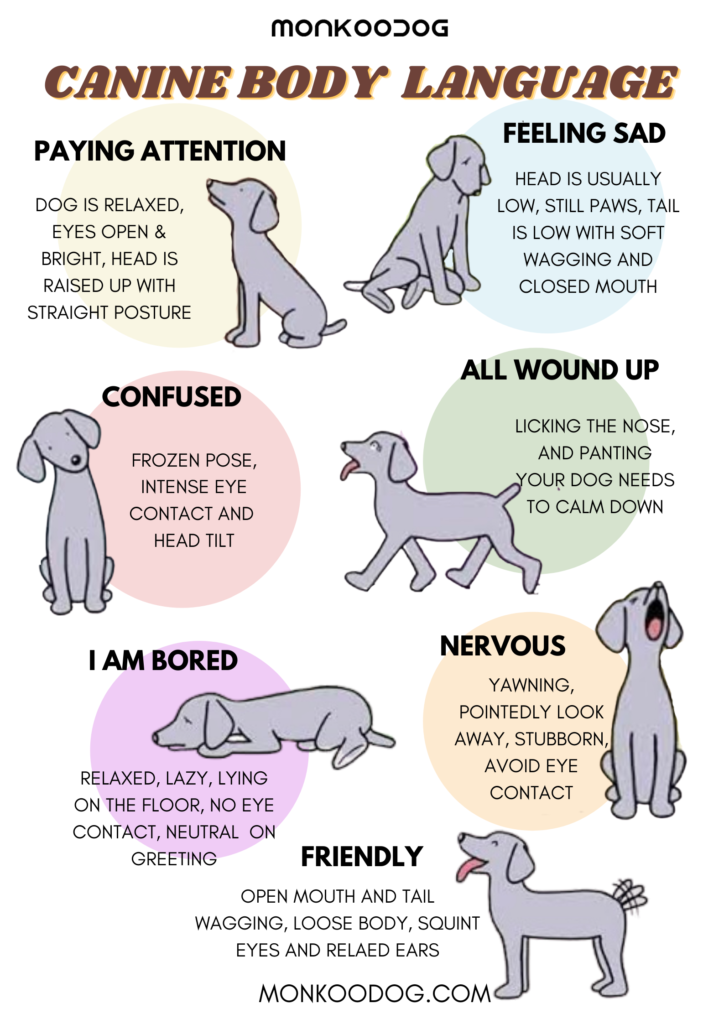
Understanding Canine Communication Through Body Language
Interpreting the silent language of dogs is a fundamental skill for any guardian, as it forms the basis of the human-animal bond and ensures mutual comfort. According to the American Society for the Prevention of Cruelty to Animals (ASPCA), dogs communicate through a complex system of postures, facial expressions, and vocalizations that reflect their emotional state and intentions. Because dogs cannot use verbal language to express their needs, they rely on subtle shifts in their physical presentation to navigate their environment and interact with others. Mastering the ability to read these signals helps prevent misunderstandings, reduces the risk of fear-based reactions, and fosters a harmonious living environment. By observing the entire body rather than focusing on a single feature, owners gain valuable insight into whether a dog feels confident, anxious, playful, or threatened.
💡 Pet Care Key Takeaways:
- Core Focus: Practical health, nutrition, and wellness guidelines for Dog Behavior Body Language.
- Target Scope: Pet owners, animal caregivers, and veterinary support staff.
- Best Recommendation: Maintain consistent daily routines and consult an accredited veterinarian before introducing major diet or medical changes.
Defining the Components of Dog Behavior Body Language
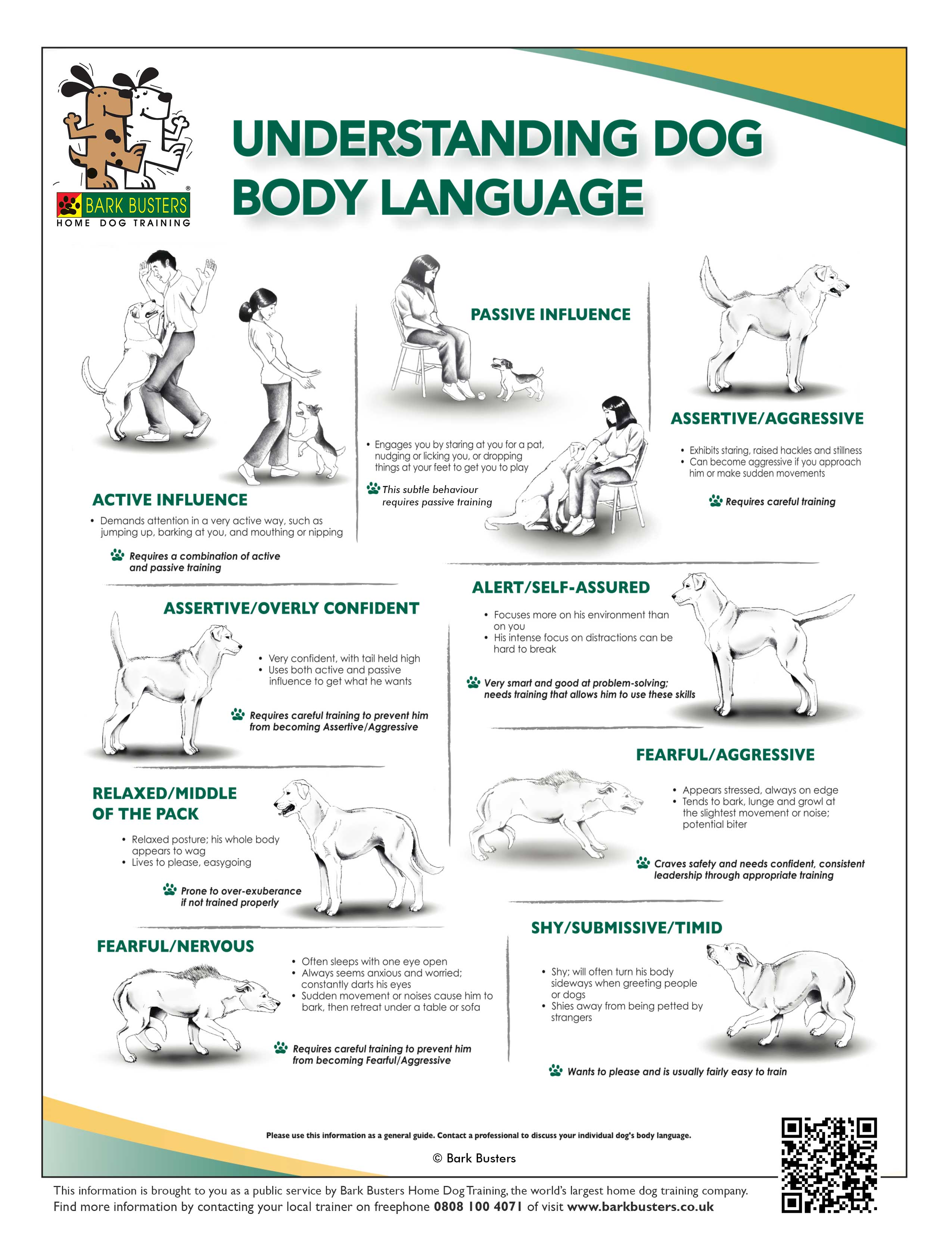
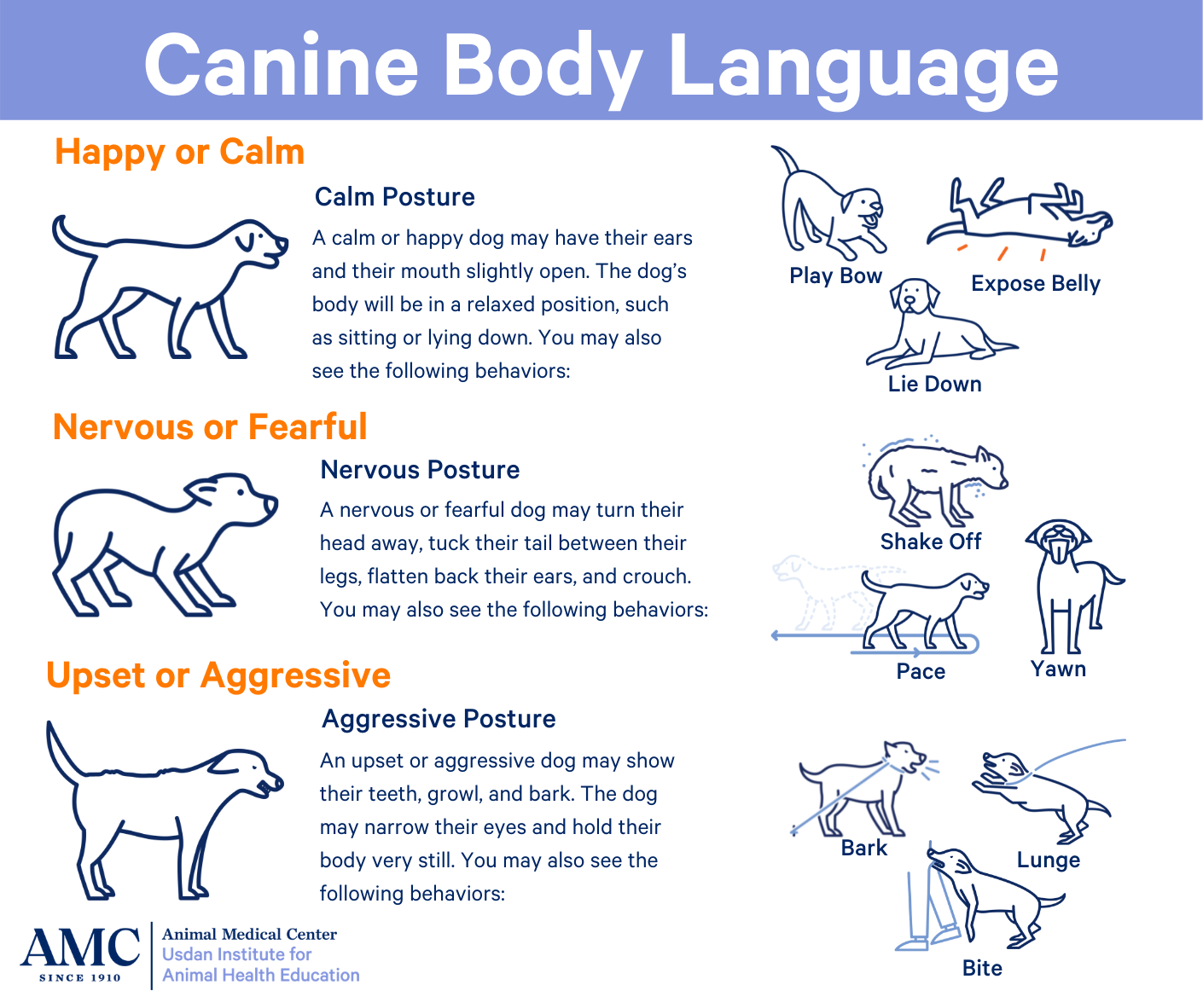
Dog behavior body language refers to the holistic combination of physical cues—such as ear position, tail carriage, muscle tension, and eye contact—that convey internal states of being. A relaxed dog typically exhibits a soft, loose body posture, a neutral tail, and a “soft” gaze, where the eyes are not wide or staring intensely. Conversely, signs of tension often manifest as a rigid frame, a closed mouth, or ears pinned back against the skull. It is essential to recognize that these signals are contextual. For instance, a wagging tail does not always signify happiness; it merely indicates high arousal or engagement, which could range from friendly excitement to aggressive agitation. Evaluating the context of the situation, such as the presence of unfamiliar people or loud noises, is critical to accurately interpreting what a dog is communicating at any given moment.
The Impact of Behavioral Literacy on Canine Well-Being
Recognizing subtle behavioral cues significantly impacts the dog health and psychological stability of a companion animal. When owners fail to recognize early warning signs of stress—such as lip licking, yawning, or turning the head away—the dog may feel forced to escalate its communication to more overt displays like growling or snapping to make its boundaries clear. Understanding these signals allows for proactive intervention, such as removing the dog from an overwhelming environment before a negative experience occurs. This approach prioritizes emotional safety and helps build trust, as the animal learns that its human counterpart is attentive and respectful of its comfort levels. Consistently ignoring these cues can lead to chronic anxiety, which may negatively affect the animal’s physical health and long-term behavioral development.
Observing a dog’s ears, eyes, and tail in conjunction provides a more accurate assessment of emotional state than looking at any single body part in isolation. — American Kennel Club
Strategies for Managing and Interpreting Canine Signals
Effective management of canine behavior requires a commitment to positive reinforcement and an understanding of the individual dog’s threshold for stimulation. Training should always focus on rewarding desired behaviors rather than punishing the communication of discomfort. When a dog shows signs of stress, such as whale eye—where the whites of the eyes are visible—or excessive panting, the most appropriate response is to provide space and reduce environmental stressors. Encouraging calm, voluntary interactions allows the dog to feel in control of its surroundings. Furthermore, integrating structured dog training sessions that utilize reward-based methods helps reinforce positive associations with new people, places, and objects, thereby reducing the likelihood of fear-based responses in the future.
Best Practices for Reading Canine Cues
The most effective way to improve behavioral literacy is to practice objective observation. Avoid anthropomorphizing, or attributing human emotions like “guilt” or “spite” to a dog’s actions; instead, focus on the immediate triggers of the behavior. A common mistake is crowding a dog when it is showing signs of anxiety, such as cowering or moving behind a person. Always allow the dog to approach at its own pace. If a dog chooses to move away, do not attempt to lure it back or force an interaction, as this can heighten the animal’s sense of helplessness. Consistency in these practices builds a predictable environment, which is essential for a dog’s sense of security.
Yawning, lip licking, and shaking off are common displacement behaviors that dogs use to self-soothe when they feel mild stress or internal conflict. — Veterinary Behavior Professionals
Pet Care & Wellness Overview Table
| Life Stage | Daily Activity Level | Key Nutrition / Care Focus |
|---|---|---|
| Puppy / Kitten | High (frequent short bursts) | High-protein growth diet & early socialization |
| Adult Companion | Moderate (30–60 mins daily) | Balanced maintenance nutrition & dental hygiene |
| Senior Pets | Low to Gentle (mindful walks) | Joint support (Glucosamine) & routine vet checks |
Images References



Considerations for Breed, Age, and Temperament
Individual differences play a significant role in how dog breeds express themselves through body language. While many signals are universal, some physical characteristics can obscure these messages; for example, docked tails or cropped ears may limit a dog’s ability to communicate naturally with other canines. Similarly, age-related changes, such as vision or hearing loss in senior dogs, can alter how they perceive and respond to their environment, often resulting in increased irritability or confusion. Temperament also varies widely; some dogs are naturally more exuberant and bold, while others are inherently more cautious. Understanding the specific history and personality of an individual dog is essential for accurate communication, as generalized expectations often fail to account for these unique traits.
When to Consult a Veterinary Professional
Persistent changes in a dog’s body language or an escalation in reactive behaviors warrant a consultation with a veterinarian or a certified professional behaviorist. Sudden shifts in demeanor, such as increased withdrawal, unprovoked aggression, or repetitive, compulsive movements, can sometimes indicate underlying medical issues, including pain, neurological conditions, or hormonal imbalances. A veterinary examination is the first step to ruling out physical causes for behavioral changes. If a dog displays consistent signs of fear, anxiety, or aggression that impact its quality of life, a qualified trainer or veterinary behaviorist can develop a safe, evidence-informed behavior modification plan tailored to the individual needs of the animal, ensuring that the approach remains humane and effective.
Building a Stronger Connection with Your Canine Companion
Learning to interpret canine body language is an ongoing process that deepens the connection between humans and their pets. By remaining observant and respectful of a dog’s needs, owners can navigate the world together with greater confidence and understanding. For further guidance on dog behavior and general dog care, explore the extensive resources available at PetsAnimalsWorld.com. Developing this skill set is one of the most meaningful contributions a guardian can make toward ensuring a happy, healthy, and fulfilling life for their animal companion.




