
The Importance of Credentialed Guidance in Canine Behavior
Navigating the complexities of canine conduct requires a nuanced understanding of animal psychology, learning theory, and environmental influences. When seeking support for behavioral challenges or foundational training, dog owners often encounter a vast landscape of terminology and varying levels of expertise. Dog behavior certification serves as a critical indicator that a professional has met specific, standardized benchmarks established by reputable organizations. According to the American Veterinary Society of Animal Behavior, professional trainers should focus on humane, evidence-based methods that prioritize the emotional well-being of the animal, as these approaches are most effective for long-term behavioral health. Understanding these credentials empowers owners to make informed choices, ensuring that the guidance received aligns with modern scientific standards and promotes a positive, safe relationship with their canine companions.
💡 Pet Care Key Takeaways:
- Core Focus: Practical health, nutrition, and wellness guidelines for Dog Behavior Certification.
- Target Scope: Pet owners, animal caregivers, and veterinary support staff.
- Best Recommendation: Maintain consistent daily routines and consult an accredited veterinarian before introducing major diet or medical changes.
Defining Dog Behavior Certification
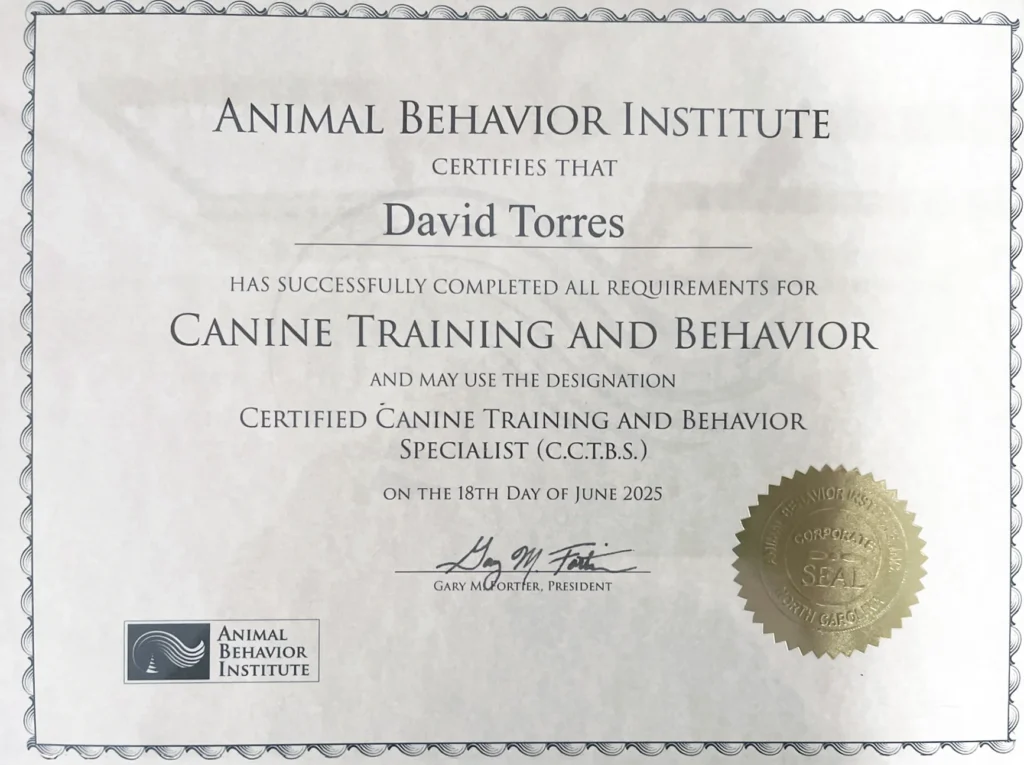
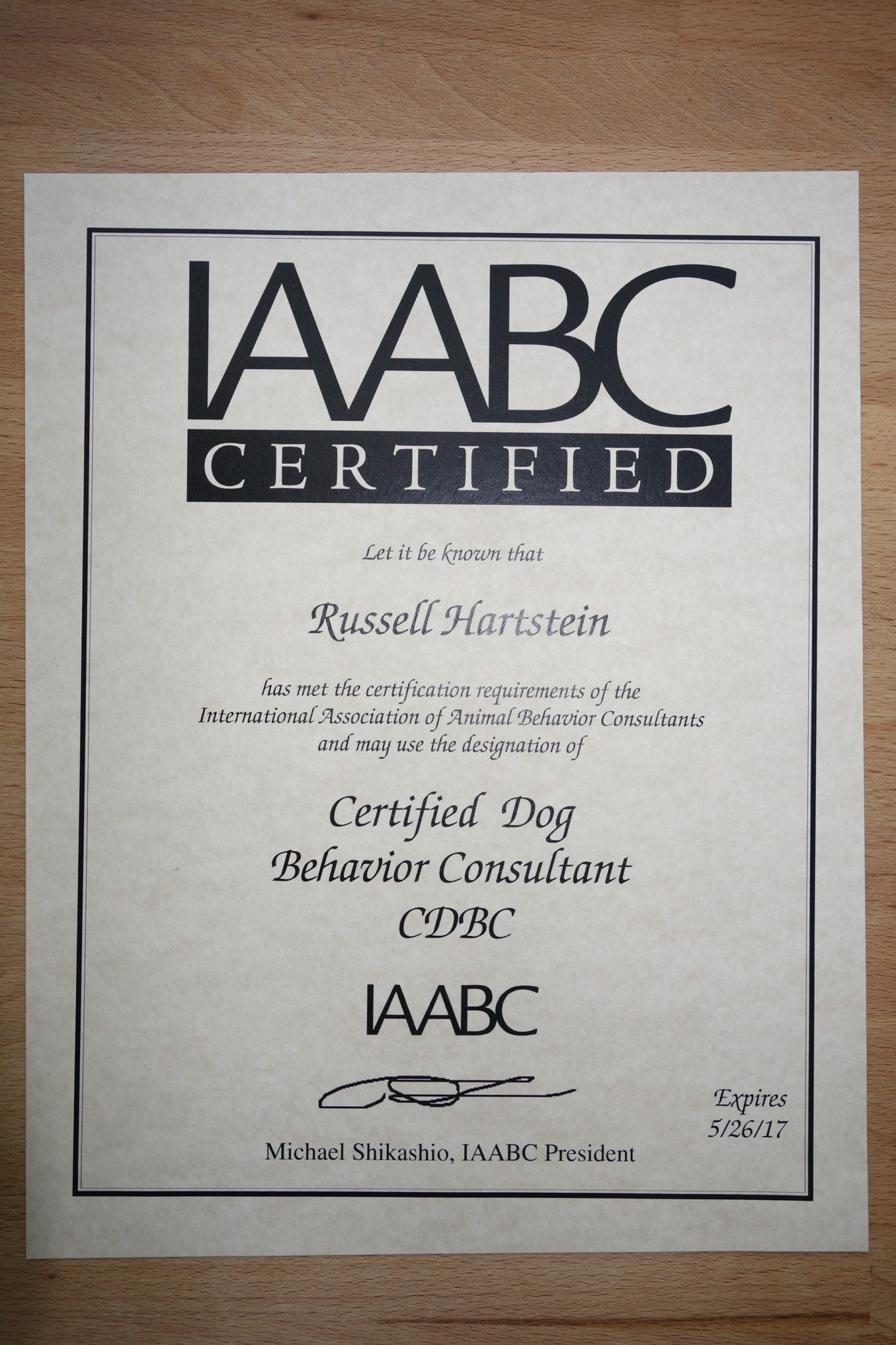
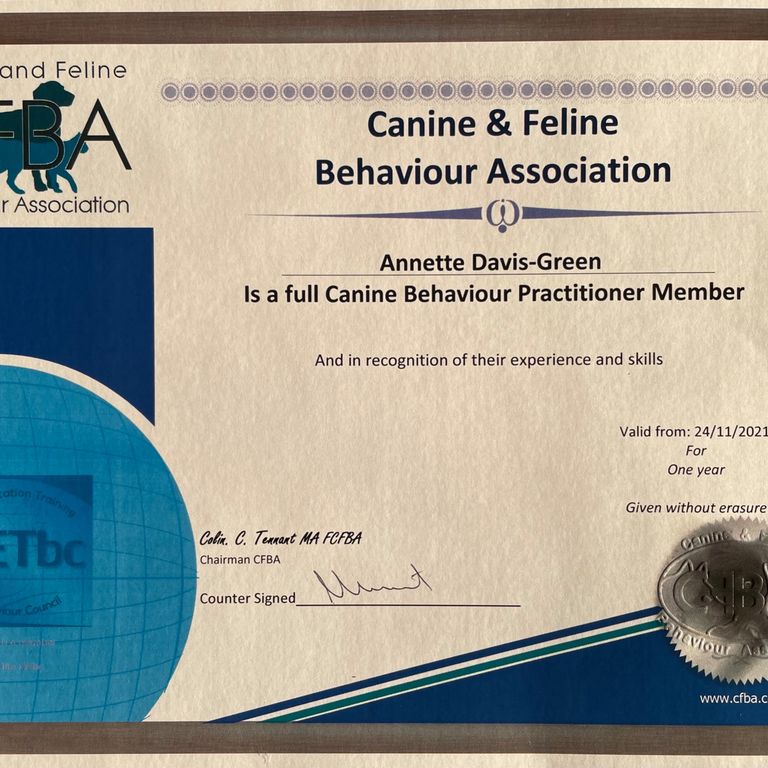
Dog behavior certification is a formal recognition granted to individuals who have completed rigorous educational programs, demonstrated practical competency, and adhered to a strict code of professional ethics. Unlike titles that may be self-bestowed, legitimate certifications are typically overseen by independent governing bodies that require candidates to pass comprehensive examinations, submit case studies, and commit to ongoing continuing education. These programs distinguish between general obedience instruction and specialized behavioral modification. While a trainer might focus on teaching basic cues like “sit” or “stay,” a certified behavior consultant often possesses the expertise to address complex issues such as separation anxiety, resource guarding, or reactivity. By selecting a certified professional, owners ensure that the methodologies employed are rooted in the principles of positive reinforcement, which focuses on rewarding desired behaviors rather than relying on intimidation or punishment.
Impact on Behavioral Health and Care
The impact of professional, certified guidance on a dog’s overall quality of life is significant, as it bridges the gap between human expectations and canine natural history. When behavioral concerns are addressed through a scientific lens, the likelihood of successful resolution increases, reducing the risk of owner frustration or the potential for relinquishment. A certified professional evaluates the environment, the dog’s history, and the specific triggers that precipitate unwanted actions. This systematic approach prevents the application of “one-size-fits-all” solutions, which can often exacerbate underlying anxiety or fear. Furthermore, these experts often maintain collaborative relationships with veterinary professionals, ensuring that any physical discomfort—which may manifest as behavioral changes—is addressed promptly. For those interested in broader aspects of canine wellness, further information can be found in the Dog Health and Dog Behavior categories.
The American Veterinary Medical Association (AVMA) notes that behavioral problems are the most common reason for the relinquishment of dogs to animal shelters. — AVMA
Addressing Behavior Through Qualified Support
Managing a dog’s behavior effectively begins with observation and the implementation of structured, humane routines. When a dog displays challenging behaviors, the first step is to observe the context: What happened immediately before the behavior? Where did it occur? What did the dog gain from the action? Certified professionals use this data to construct a modification plan that includes environmental management—such as limiting access to a trigger—and systematic desensitization. For instance, if a dog reacts to other dogs on walks, a certified consultant might advise increasing the distance from other animals to keep the dog below its threshold of reactivity, gradually decreasing that distance as the dog learns to remain calm. This process requires patience and consistency, as behavioral change is rarely instantaneous.
Best Practices and Common Pitfalls
A primary mistake in behavioral management is the use of punitive techniques, which can damage the trust between owner and dog and often lead to suppressed behavior rather than true learning. Instead, the focus should remain on identifying the function of the behavior and providing the dog with an appropriate alternative. It is essential to avoid the trap of assuming that a dog is acting out of spite or dominance; such anthropomorphic interpretations often lead to ineffective and potentially harmful interventions. Instead, view the behavior as a form of communication. Consistency among all family members is equally vital; when everyone reinforces the same rules, the dog experiences less confusion and learns more rapidly. Professional guidance helps maintain this consistency through clear, actionable instructions tailored to the individual animal’s needs.
The American Society for the Prevention of Cruelty to Animals (ASPCA) emphasizes that the use of positive reinforcement training helps strengthen the bond between pets and their guardians while effectively modifying behavior. — ASPCA
Pet Care & Wellness Overview Table
| Life Stage | Daily Activity Level | Key Nutrition / Care Focus |
|---|---|---|
| Puppy / Kitten | High (frequent short bursts) | High-protein growth diet & early socialization |
| Adult Companion | Moderate (30–60 mins daily) | Balanced maintenance nutrition & dental hygiene |
| Senior Pets | Low to Gentle (mindful walks) | Joint support (Glucosamine) & routine vet checks |
Images References





Considering Breed, Age, and Individual Temperament
Every dog is a unique individual, and behavioral strategies must account for variables such as breed-specific tendencies, age-related development, and personal temperament. A high-energy working breed may require more mental stimulation and structured tasks to prevent the development of destructive behaviors, whereas a senior dog might require modifications to accommodate sensory changes or reduced mobility. Certification standards require professionals to assess these factors, acknowledging that a puppy in a sensitive socialization period needs different support than an adult dog with a long-standing behavioral history. For those exploring the unique needs of different canine groups, the Dog Breeds section offers valuable insights into the historical roles and temperaments that can influence modern behavior.
When to Consult a Professional
Seeking professional intervention is essential when behaviors threaten the safety of the household, cause distress to the dog, or do not show improvement despite consistent efforts. If a dog exhibits sudden changes in behavior, such as increased aggression, lethargy, or repetitive movements, the initial step should always be a veterinary examination to rule out underlying medical conditions, such as pain or neurological issues. Once a veterinarian has cleared the dog of physical ailments, a certified behavior consultant or a veterinary behaviorist can provide the specialized expertise needed for complex cases. Do not wait for a situation to escalate; early intervention is often the key to successfully managing and improving a dog’s behavioral health.
Ongoing Support for Canine Wellness
The journey toward a well-adjusted canine companion is a continuous process that benefits from reliable information and professional guidance. By prioritizing certified expertise, owners ensure that their training methods are humane, effective, and scientifically sound. Whether addressing specific behavioral concerns or simply looking to enhance the daily life of a canine companion, access to accurate resources remains essential. For further guidance on maintaining a healthy, happy, and well-behaved pet, explore the extensive resources available at PetsAnimalsWorld.com, where expert-informed advice on Dog Training and general Dog Care can support the long-term well-being of every dog.




