Introduction
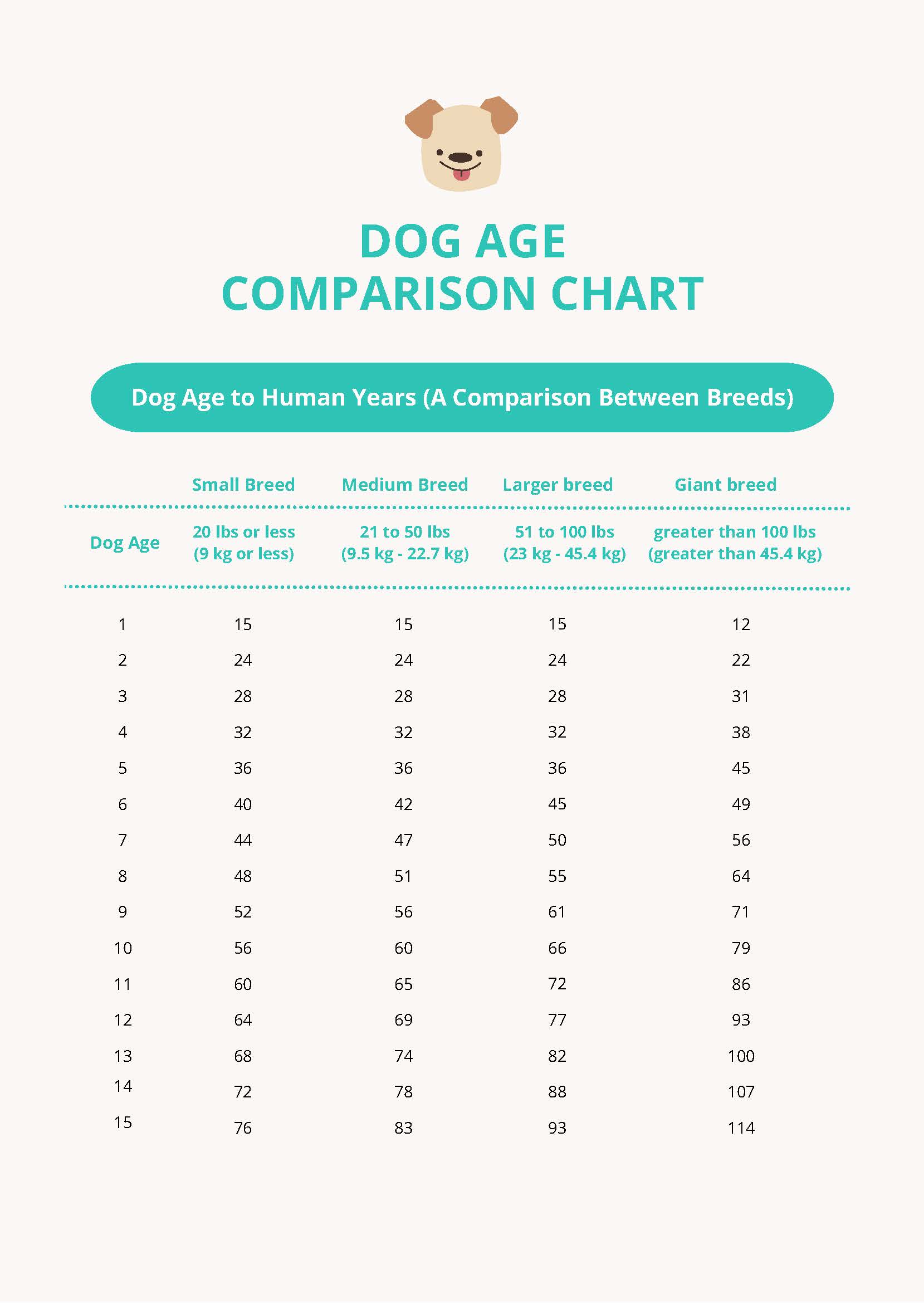
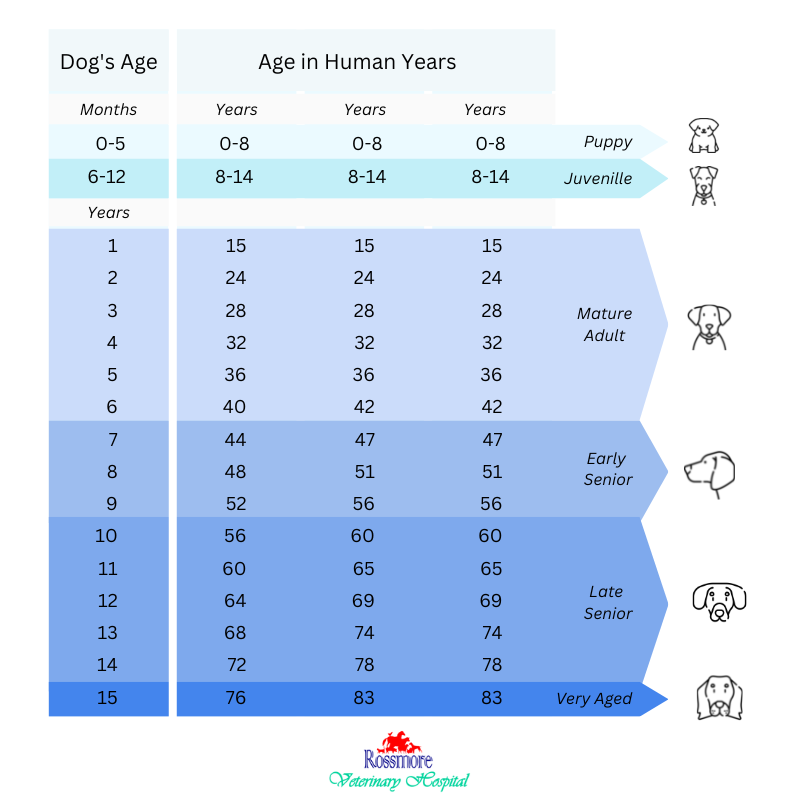
A dog behavior by age chart serves as a clinical roadmap that categorizes canine developmental stages, predictable behavioral shifts, and necessary veterinary interventions from puppyhood through senior years. According to the American Animal Hospital Association (AAHA), understanding developmental milestones allows caregivers to anticipate neurological changes, adjust environmental enrichment, and implement timely preventive medicine. Tracking these benchmarks ensures optimal lifelong welfare, helping owners distinguish between normal physiological maturation and pathological behavioral aberrations.
Pet Wellness & Behavior Snapshot:
- Core Focus: Mapping canine psychological and physiological development across distinct life stages using a structured behavior chart.
- Target Scope: Applied companion animal management for veterinarians, trainers, and dedicated pet parents.
- Key Recommendation: Align nutritional profiles, socialization protocols, and veterinary screening schedules directly with the current developmental bracket.
Core Principles and Detailed Overview
A comprehensive dog behavior by age chart plots distinct shifts in neurochemistry, hormonal surges, and cognitive capacity across a domestic canine’s lifespan. Neonatal and socialization phases (weeks zero through sixteen) dictate emotional resilience, requiring controlled exposure to novel stimuli to prevent adult reactivity. As juveniles transition into social maturity, hormonal influences frequently trigger boundary testing, making consistent structure and specialized Dog Training vital for preventing long-term reactivity. Adult phases emphasize behavioral maintenance, physical conditioning, and tailored energy expenditure, whereas geriatric phases require vigilance regarding cognitive dysfunction syndrome, sensory decline, and musculoskeletal discomfort. Integrating precise Dog Nutrition supports aging neural pathways, mitigating cognitive decline while preserving lean muscle mass during senior years.
Key Specifications and Breakdown
| Observed Indicator / Factor | Veterinary & Behavioral Explanation | Actionable Management Protocol |
|---|---|---|
| Neonatal / Puppy (0-16 Weeks) | Rapid neural synaptogenesis drives foundational socialization, bite inhibition, and fear imprint stages. | Expose to novel surfaces, sounds, and gentle handling daily while preventing infectious disease exposure. |
| Adolescent / Young Adult (6 Months – 3 Years) | Sex hormone surges and incomplete frontal lobe development create boundary testing and impulse control deficits. | Maintain rigorous reinforcement schedules, structured outlets, and professional guidance via Dog Behavior specialists. |
| Senior / Geriatric (7+ Years) | Cellular aging, sensory loss, and neurodegeneration frequently result in altered sleep cycles and anxiety. | Schedule biannual veterinary wellness panels, implement pain scoring, and consult Dog Health resources. |
Biannual physical examinations and behavioral screenings are strongly recommended for adult and senior dogs to detect subtle neurological and orthopedic declines early. — American Veterinary Medical Association (AVMA)
Step-by-Step Practical Application and Guidelines
Implementing a dog behavior by age chart requires systematic observation, environmental modification, and continuous veterinary alignment. Caregivers must first identify the precise chronological and physiological life stage of the companion animal, taking individual breed traits and size profiles into account. Next, match daily caloric density, exercise durations, and cognitive puzzles to current energy demands specified in general Dog Care protocols. Establish routine behavioral baselines to promptly flag sudden anomalies, such as unexpected vocalization, house-soiling, or lethargy. Finally, review developmental shifts annually with a licensed veterinarian to update parasite prevention, vaccination schedules, and pain management strategies before age-related pathologies degrade overall quality of life.
Common Challenges and How to Avoid Them
Misinterpreting normal developmental regressions as permanent behavioral flaws represents the most frequent error caregivers make when consulting age charts. Adolescents frequently display sudden disobedience due to hormonal fluctuations, which punitive measures only worsen through increased stress and defensive reactivity. Similarly, owners often dismiss early signs of canine cognitive dysfunction in older dogs—such as pacing or disorientation—as mere stubbornness or normal aging, delaying crucial medical intervention. Avoiding these pitfalls relies on maintaining open communication with veterinary professionals, prioritizing positive reinforcement, and evaluating unique profiles across recognized Dog Breeds to understand specific maturation timelines.
💬 Frequently Asked Questions
Explore More Pet Care and Animal Health Guides on PetsAnimalsWorld
Enhance your expertise in companion animal management by exploring our extensive library dedicated to modern veterinary science, specialized Pets wellness, and behavioral milestones. Visit Pets Animals World today to access professional resources designed to optimize the health and happiness of every four-legged family member.
Visual Reference Gallery