

Understanding Canine Conduct Through Literature
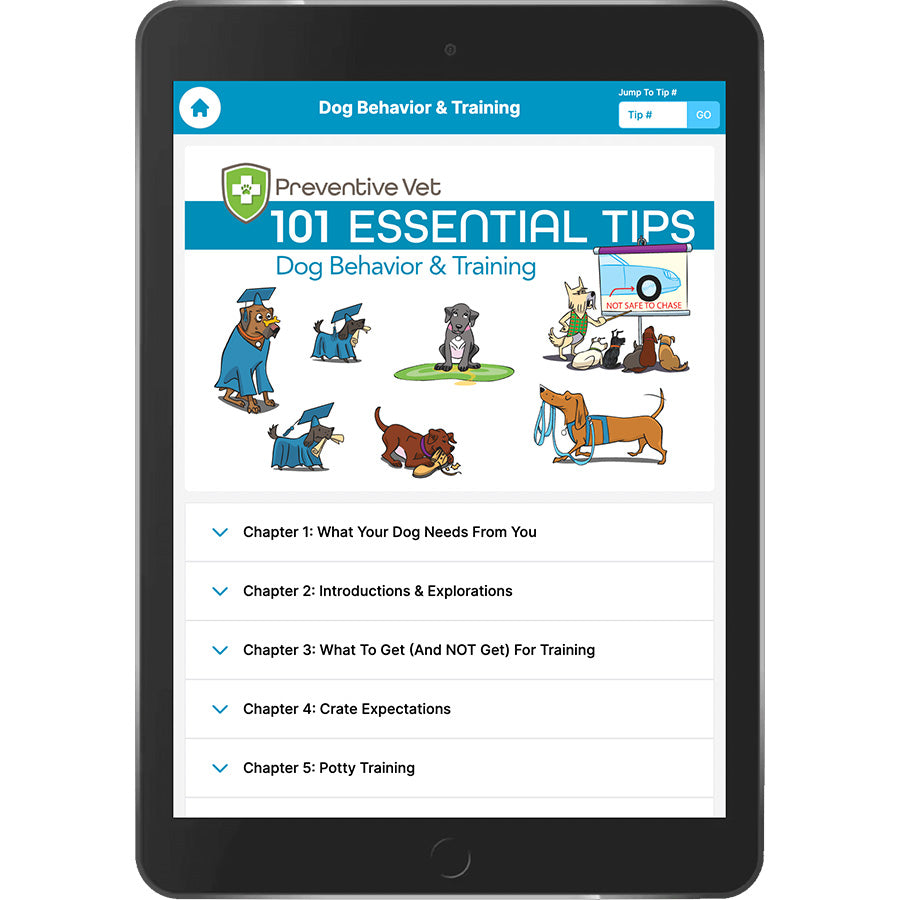
Dog behavior books serve as foundational resources for households seeking to bridge the communication gap between human and canine companions. According to the American Society for Prevention of Cruelty to Animals (ASPCA), behavioral issues remain a primary reason animals are relinquished to shelters, highlighting the critical need for accessible, science-based guidance. Navigating the vast market of canine literature requires an understanding of modern learning theory and humane teaching methods. Obsolete frameworks rooted in dominance hierarchies often increase stress and miscommunication, making evidence-based reading material essential for modern pet care.
💡 Pet Care Key Takeaways:
- Core Focus: Practical health, nutrition, and wellness guidelines for Dog Behavior Books.
- Target Scope: Pet owners, animal caregivers, and veterinary support staff.
- Best Recommendation: Maintain consistent daily routines and consult an accredited veterinarian before introducing major diet or medical changes.
Defining Evidence-Based Dog Behavior Literature
Quality dog behavior books provide structured, transparent explanations of why dogs act the way they do, relying on established principles of ethology and operant conditioning. Ethology is the scientific study of animal behavior under natural conditions, while operant conditioning examines how consequences shape voluntary actions. Reliable titles avoid punitive tactics in favor of positive reinforcement, which involves rewarding desired actions to encourage repetition. These texts teach readers to observe subtle body language cues—such as lip licking, yawning, or averted gazes—that signal stress long before a reaction escalates. For more related activities, check out our Dog Jealous Behavior.
The Impact of Literature on Household Harmony and Safety
Applying principles found in reputable dog behavior books directly enhances the physical and psychological well-being of the animal while fostering a safer environment for humans. When families understand canine emotional states, household conflict decreases significantly. Dogs that receive clear, consistent communication experience lower baseline stress hormones like cortisol, reducing the incidence of fear-based reactivity and destructive habits. Furthermore, educating oneself about canine development helps prevent unrealistic expectations during adolescent phases, promoting patience and empathy throughout the animal’s life.
Behavioral modification approaches rooted in positive reinforcement are consistently shown to yield more reliable learning outcomes without increasing stress-related responses in domestic dogs. — American Veterinary Medical Association
Selecting and Applying Insights from Behavior Guides
Implementing strategies from dog behavior books involves careful observation, environmental management, and consistent, reward-based routines. Readers must look for titles written by certified applied animal behaviorists, veterinary behaviorists, or credentialed professional trainers who hold legitimate certifications from reputable organizations. Once a suitable guide is chosen, readers should focus on proactive management—altering the environment to prevent unwanted actions before they happen—rather than relying solely on reactive corrections. Breaking training sessions into short, frequent intervals keeps learning engaging for the dog and prevents mental fatigue.
Best Practices and Common Pitfalls to Avoid
Pet owners often make the mistake of expecting instantaneous transformations or misinterpreting relaxation signals as stubbornness. Effective reading and application require patience, consistency, and an openness to adjusting one’s own habits to suit the animal’s perspective. Avoid any literature that promotes physical punishment, alpha rolls, or choke collars, as these methods exacerbate fear and trigger defensive aggression. Instead, focus on books that emphasize desensitization and counter-conditioning, which gradually change an animal’s emotional response to fearful or exciting triggers through controlled exposure and positive associations.
Observing and responding to early, subtle signs of canine discomfort can significantly reduce the likelihood of defensive biting and escalation in unfamiliar settings. — American Kennel Club
Pet Care & Wellness Overview Table
| Life Stage | Daily Activity Level | Key Nutrition / Care Focus |
|---|---|---|
| Puppy / Kitten | High (frequent short bursts) | High-protein growth diet & early socialization |
| Adult Companion | Moderate (30–60 mins daily) | Balanced maintenance nutrition & dental hygiene |
| Senior Pets | Low to Gentle (mindful walks) | Joint support (Glucosamine) & routine vet checks |
Images References




Tailoring Literature to Breed, Age, and Temperament
Dog behavior books frequently address how specific traits influence learning styles, making it important to select texts that align with a dog’s individual background. Working breeds with high endurance may require advanced mental stimulation and problem-solving exercises outlined in specialized manuals, whereas companion breeds might respond best to gentle confidence-building protocols. Additionally, puppies, adult rescues, and senior dogs process environmental changes differently. Literature dedicated to puppy socialization focuses on critical developmental windows, while guides for rescue animals emphasize decompression and building trust at a slow, respectful pace.
When to Consult a Veterinarian or Professional Behaviorist
While literature provides invaluable foundational knowledge, self-guided study has distinct limitations when dealing with severe psychological distress. Dog behavior books cannot replace individualized medical diagnoses or comprehensive behavior modification plans designed by professionals. Sudden shifts in conduct, persistent destructive tendencies, intense separation anxiety, or any form of unprovoked aggression warrant an immediate veterinary examination to rule out underlying pain or neurological conditions. For complex cases, seeking guidance from a board-certified veterinary behaviorist ensures a safe, medically sound, and humane resolution.
Expanding Your Knowledge with Trusted Pet Resources
Expanding an understanding of canine wellness requires consulting a diverse array of educational materials that support lifelong learning and compassionate stewardship. Exploring specialized topics ensures that every household remains equipped for the evolving needs of their animal companions. Discover more expert guidance through dedicated resources covering Dog Behavior, practical Dog Training fundamentals, essential Dog Health insights, and comprehensive Dog Care strategies. Visit PetsAnimalsWorld.com to continue exploring reliable articles designed to support informed, responsible pet ownership every single day.




