
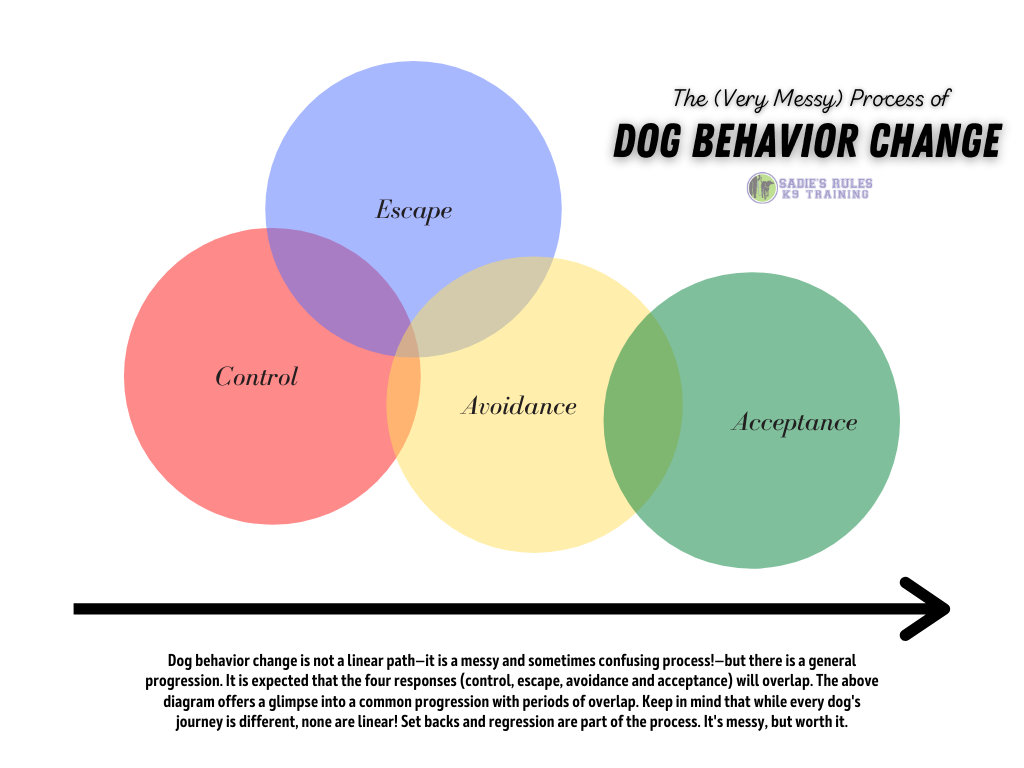
Understanding Shifts in Canine Conduct
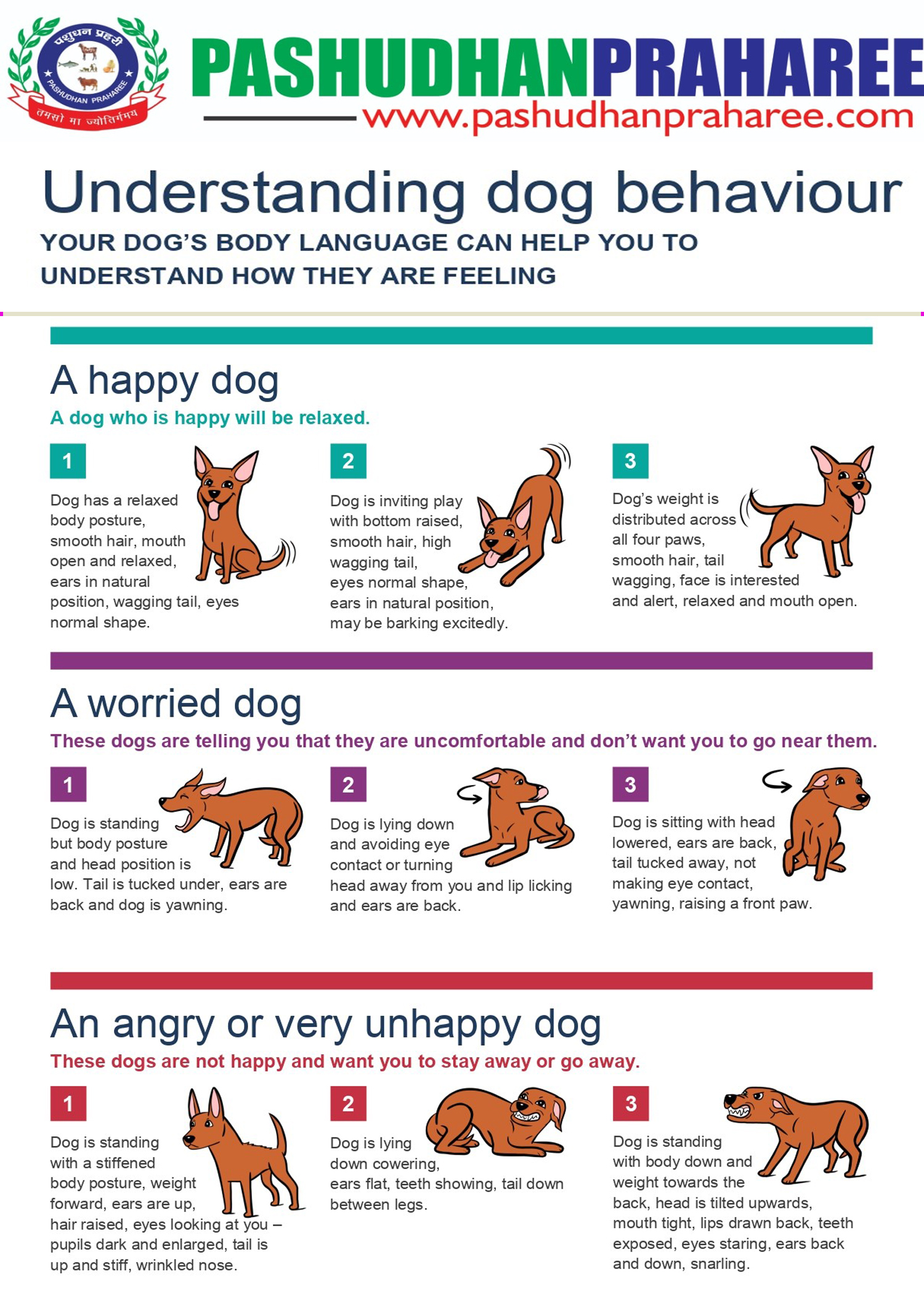
Observing sudden or gradual modifications in a canine companion’s actions is a common experience for many guardians, often prompting questions regarding the underlying causes. According to the American Society for the Prevention of Cruelty to Animals (ASPCA), behavioral changes in pets can often serve as an outward manifestation of an underlying medical issue or a response to significant shifts in the environment. Recognizing these deviations from established norms is essential for maintaining the well-being of the animal, as dogs lack the ability to communicate discomfort through verbal language. Instead, they rely on behavioral cues to signal that something in their physical or mental landscape has shifted, requiring careful observation and a thoughtful, evidence-based approach to address the root cause.
💡 Pet Care Key Takeaways:
- Core Focus: Practical health, nutrition, and wellness guidelines for Dog Behavior Change.
- Target Scope: Pet owners, animal caregivers, and veterinary support staff.
- Best Recommendation: Maintain consistent daily routines and consult an accredited veterinarian before introducing major diet or medical changes.
Defining Behavioral Evolution in Dogs
Dog behavior change refers to any noticeable departure from an individual animal’s typical patterns of activity, social interaction, reactivity, or emotional expression. This phenomenon encompasses a wide spectrum of adjustments, ranging from subtle shifts, such as a decrease in interest during play, to more pronounced alterations, including increased aggression, sudden house-soiling, or intense vocalization. Understanding that behavior is not static is the first step in effective management. Because dogs are highly observant creatures that thrive on routine, even minor modifications in a household—such as a new work schedule, the introduction of a new family member, or a change in diet—can trigger a behavioral response. Discerning whether a change is situational, developmental, or pathological is a critical task for those responsible for the animal’s Dog Care.
The Interplay Between Health and Conduct
The connection between physical health and behavioral output is profound, as physiological pain or systemic illness often manifests as behavioral turbulence. When a dog experiences chronic pain, such as that associated with osteoarthritis or dental disease, the resulting discomfort may lower the threshold for irritability, leading to uncharacteristic snapping or withdrawal from social contact. Furthermore, neurological conditions or hormonal imbalances can significantly alter a dog’s temperament and cognitive function. It is never safe to assume that a behavior change is purely “bad behavior” or a training failure without first ruling out medical complications through a comprehensive examination by a veterinarian. Prioritizing physical health ensures that the animal is not being asked to perform or behave in ways that their current physiological state cannot support.
Behavioral changes, such as sudden lethargy, hiding, or unprovoked aggression, are frequently the first clinical signs of illness or injury in dogs. — American Veterinary Medical Association (AVMA)
Approaching Behavior Change Through Positive Reinforcement
Addressing modifications in conduct requires a structured, humane methodology that focuses on identifying triggers and reinforcing desirable alternatives. Positive reinforcement, which involves rewarding the behaviors that owners wish to see more frequently, remains the gold standard for Dog Training and modification. If a dog begins to exhibit fear-based reactions to specific stimuli, the goal is to systematically desensitize the animal by exposing them to the trigger at a low intensity while providing high-value rewards, thereby creating a new, positive association. Punitive measures, such as scolding or the use of intimidation, are counterproductive; they often exacerbate anxiety, damage the bond between the human and the dog, and can suppress warning signs, ultimately leading to more dangerous behavioral outcomes.
Best Practices for Behavioral Management
Consistency, patience, and environmental management serve as the pillars of successful behavior modification. Owners should aim to minimize exposure to known stressors while working on long-term training goals. For example, if a dog displays anxiety during thunderstorms, creating a quiet, secure space with white noise can provide immediate relief while the owner works on long-term conditioning. It is also vital to avoid reinforcing unwanted behaviors inadvertently; for instance, providing attention to a dog that is barking for food may inadvertently encourage the repetition of that noise. By maintaining a calm, predictable environment, the likelihood of successful behavioral adjustment increases significantly, allowing the dog to feel secure and understood within the domestic setting.
Consistency in training methods and the use of positive reinforcement are associated with more stable behavioral outcomes and stronger human-animal bonds. — American Kennel Club (AKC)
Pet Care & Wellness Overview Table
| Life Stage | Daily Activity Level | Key Nutrition / Care Focus |
|---|---|---|
| Puppy / Kitten | High (frequent short bursts) | High-protein growth diet & early socialization |
| Adult Companion | Moderate (30–60 mins daily) | Balanced maintenance nutrition & dental hygiene |
| Senior Pets | Low to Gentle (mindful walks) | Joint support (Glucosamine) & routine vet checks |
Images References




Considerations of Breed, Age, and Individual Temperament
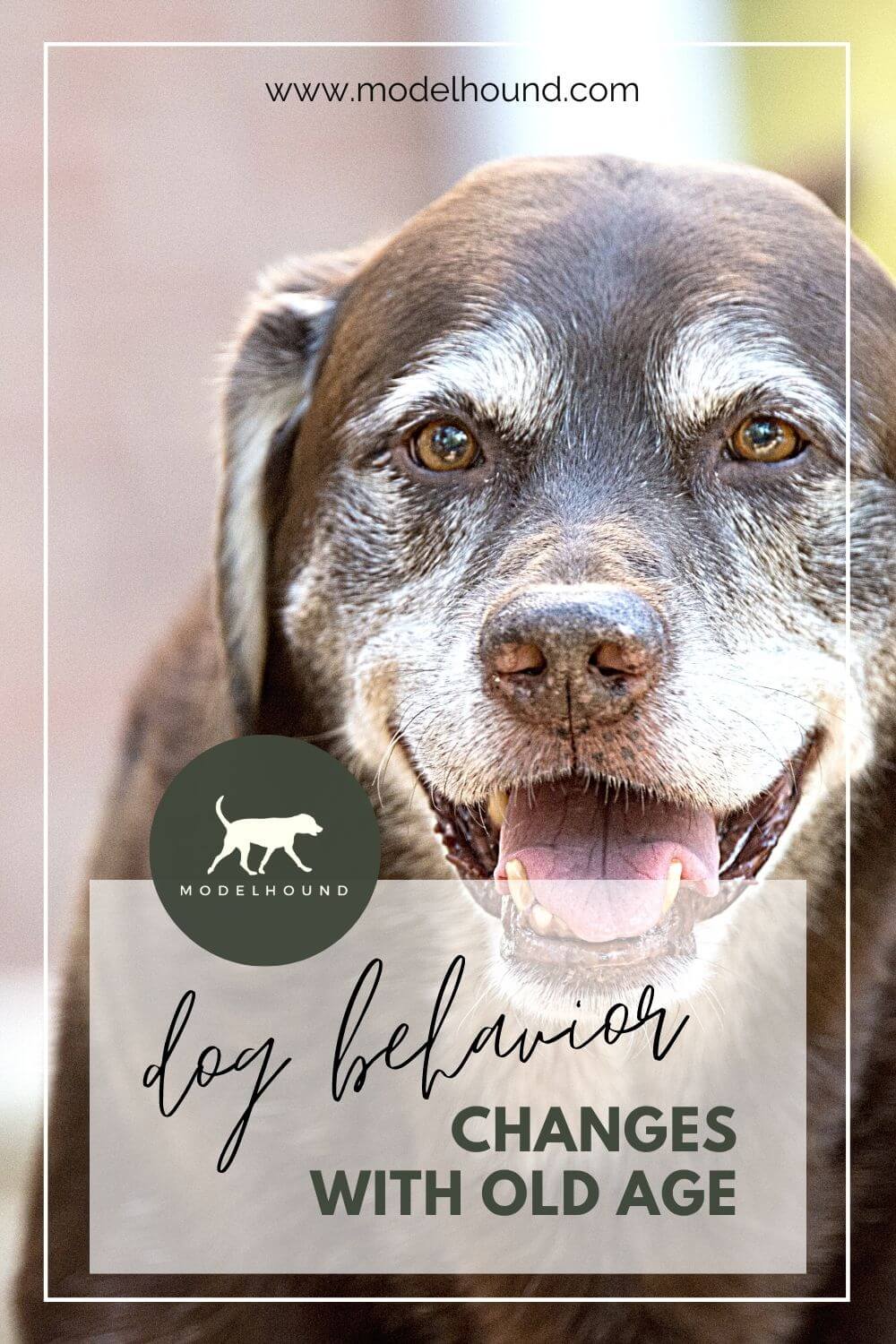
Factors such as breed predispositions, life stage, and individual personality play a significant role in how a dog responds to its environment. Certain Dog Breeds may have higher energy levels or stronger guarding instincts, which can influence how they express frustration or anxiety. Similarly, a dog’s age is a crucial variable; puppies undergo rapid developmental changes that involve testing boundaries and exploring the world, while senior dogs may experience cognitive decline, often referred to as canine cognitive dysfunction, which can lead to confusion, disorientation, and changes in sleep-wake cycles. Recognizing these inherent traits allows for more realistic expectations and tailored care strategies that respect the unique developmental needs of the individual animal.
The Necessity of Professional Intervention
Consulting with a professional is imperative when behavior changes are sudden, severe, or impact the safety of the household. A veterinarian should always be the first point of contact to rule out underlying health issues. If the dog is cleared medically, the guidance of a certified professional dog trainer or a veterinary behaviorist is the most appropriate next step. These professionals possess the expertise to conduct a thorough behavioral assessment, identify the specific triggers, and develop a customized, humane plan that prioritizes the welfare of the animal. Attempting to manage complex behavioral issues without professional support can lead to unintended consequences, prolonging the animal’s distress and hindering the development of a harmonious relationship.
Building a Foundation for Long-Term Harmony
Navigating the complexities of canine behavior requires a commitment to observation, empathy, and evidence-based care. By viewing behavioral shifts as a form of communication rather than a personal affront, owners can better support their companions through life’s various transitions. Whether addressing minor adjustments or significant challenges, the focus must always remain on the physical and psychological health of the dog. For further guidance on maintaining a healthy and happy canine, explore the extensive resources available on PetsAnimalsWorld.com, where information on Dog Behavior and general Dog Health can help provide the support needed to nurture a lasting, positive bond with a beloved pet.




