

Understanding the Shift in Canine Conduct Post-Procedure
Navigating canine development involves observing numerous physical and psychological transformations as dogs mature from energetic puppies into settled adults. According to the American Society for the Prevention of Cruelty to Animals (ASPCA), spaying and neutering procedures can significantly alter specific behavioral tendencies linked to reproductive hormones while leaving core personality traits intact. When households welcome a newly altered canine companion, questions frequently arise regarding what shifts are directly attributable to the surgery and what adjustments require alternative management strategies. Recognizing these nuances helps families support their dogs through the recovery period and beyond, fostering a harmonious living environment built on patience and realistic expectations.
💡 Pet Care Key Takeaways:
- Core Focus: Practical health, nutrition, and wellness guidelines for Dog Behavior Change After Neuter.
- Target Scope: Pet owners, animal caregivers, and veterinary support staff.
- Best Recommendation: Maintain consistent daily routines and consult an accredited veterinarian before introducing major diet or medical changes.
Defining Dog Behavior Change After Neuter and Hormonal Influences
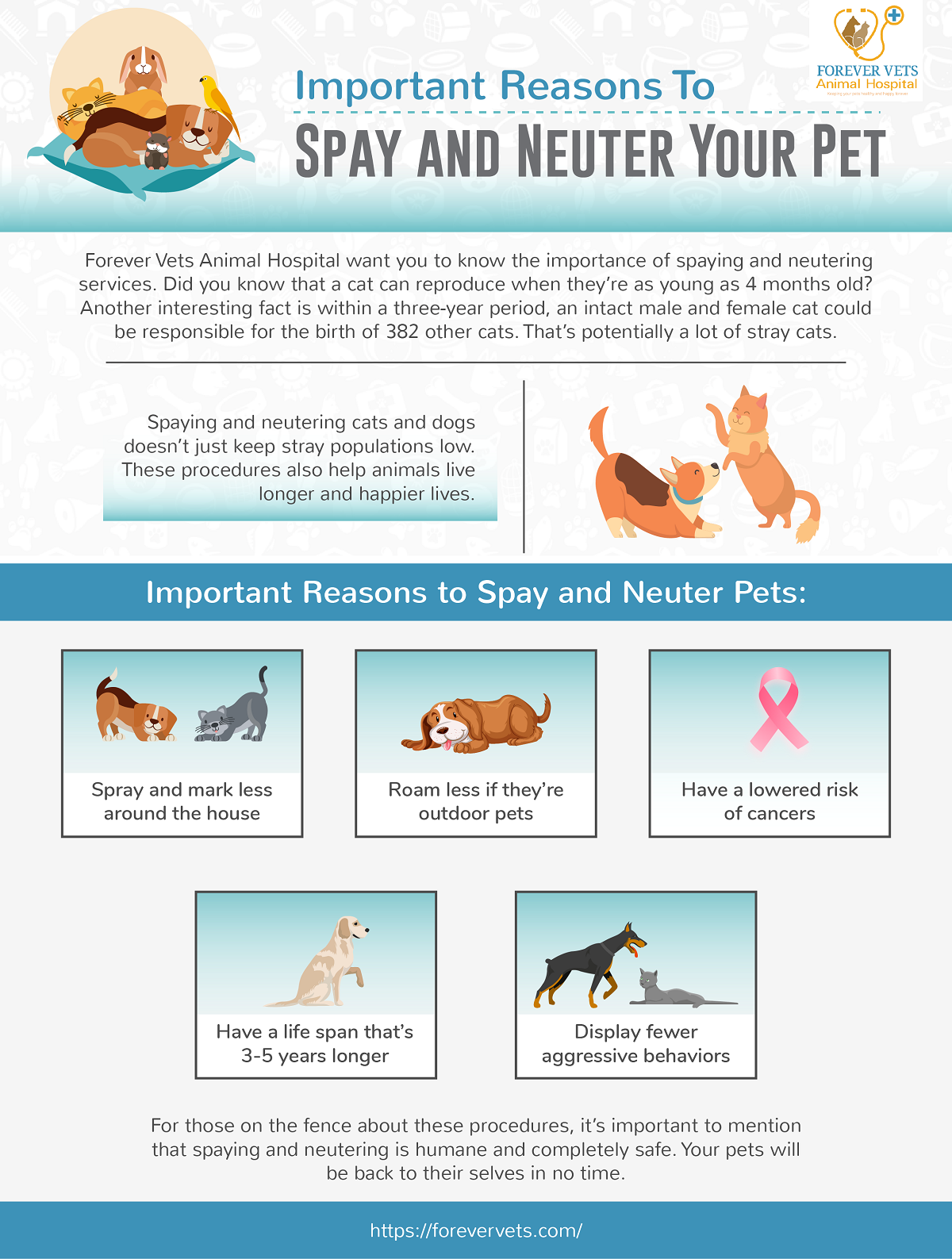
A dog behavior change after neuter encompasses the gradual reduction or elimination of testosterone-driven actions, such as roaming, mounting, and certain forms of inter-dog friction. Gonadectomy, the medical term for surgical sterilization, removes the primary source of testosterone production, which subsequently influences neural pathways associated with territorial display and mating competition. However, surgical alteration does not instantly reset a mature personality or erase ingrained habits learned through months or years of reinforcement. Behavioral modification is a biological and developmental process, meaning that hormone levels decrease progressively over several weeks, allowing responses to environmental triggers to shift at an individual pace.
Impact on Training, Reactivity, and Daily Routines
Managing canine conduct requires distinguishing between hormone-dependent actions and learned behaviors that persist independently of testosterone. While roaming tendencies and urine marking frequently diminish following the procedure, reactivity motivated by fear, anxiety, or inadequate socialization often remains unchanged without targeted positive reinforcement training. Observing a canine companion closely during the post-operative recovery phase provides valuable insight into how stress levels fluctuate before and after the transition. Integrating structured mental enrichment and consistent daily routines during this period supports balanced emotional health as the endocrine system stabilizes.
Gonadectomy reduces testosterone-influenced habits such as roaming and urine marking, but learned responses rooted in fear or lack of socialization require proactive training interventions. — American Veterinary Medical Association
Approaching Behavioral Adjustments with Humane Management
Addressing unexpected developments in canine demeanor calls for calm, reward-based strategies that prioritize emotional safety and clear communication. Establishing predictable daily patterns helps reduce stress, which frequently underlies unwanted habits like excessive vocalization or destructive chewing. Punitive, intimidation-based, or dominance-based techniques must be strictly avoided, as these methods exacerbate anxiety and can escalate defensive reactions. Instead, redirecting attention toward appropriate toys, rewarding calm stillness, and providing adequate physical exercise create a stable framework for lasting behavioral stability.
Best Practices and Common Pitfalls in Post-Operative Management
A frequent oversight among pet caregivers is assuming that surgical alteration serves as an immediate fix for complex obedience challenges or chronic aggression. Expecting an overnight transformation often leads to frustration when old habits persist due to established neural pathways. Effective management requires a combination of veterinary guidance, environmental modifications, and gentle Dog Training methodologies tailored to the individual animal. Monitoring recovery closely while protecting surgical incision sites from licking or trauma remains a top priority during the initial ten to fourteen days following the operation.
Providing structured mental enrichment alongside physical recovery safeguards emotional well-being and prevents boredom-induced habits while hormones normalize. — Association of Professional Dog Trainers
Pet Care & Wellness Overview Table
| Life Stage | Daily Activity Level | Key Nutrition / Care Focus |
|---|---|---|
| Puppy / Kitten | High (frequent short bursts) | High-protein growth diet & early socialization |
| Adult Companion | Moderate (30–60 mins daily) | Balanced maintenance nutrition & dental hygiene |
| Senior Pets | Low to Gentle (mindful walks) | Joint support (Glucosamine) & routine vet checks |
Images References




Influence of Breed Background, Age, and Individual Temperament
Individual responses to sterilization vary widely based on genetic background, developmental stage, and innate disposition rather than chronological age alone. Understanding specific Dog Breeds and their historical working purposes sheds light on why certain working or herding types display distinct impulse patterns compared to companion-focused lines. Younger animals undergoing the procedure often experience minimal disruption to their developmental trajectory, whereas mature adults with well-rehearsed habits may require extended behavioral support to redirect ingrained responses away from undesirable targets.
When Professional Veterinary Guidance Becomes Essential
Consulting a qualified veterinarian or a certified animal behaviorist is necessary when conduct shifts abruptly, intensifies, or involves defensive snapping and biting. Persistent anxiety, sudden vocalization, or reluctance to move can indicate underlying medical discomfort or post-operative complications requiring prompt clinical evaluation. For complex behavioral challenges, partnering with an expert ensures that safety protocols remain paramount. Exploring resources on Dog Health and general Dog Care empowers families to recognize early indicators of distress and secure appropriate professional intervention promptly.
Concluding Thoughts and Continuing Education
Supporting a canine companion through developmental milestones and surgical recovery strengthens the enduring bond shared between pets and their human families. By remaining observant, patient, and committed to humane care standards, caregivers can successfully navigate shifts in daily routines and temperament. To discover more guidance on maintaining optimal wellness, explore additional articles on PetsAnimalsWorld.com to ensure every canine friend enjoys a healthy, balanced lifestyle.




