
Understanding Canine Communication Through Behavior Observation
Interpreting the subtle signals a dog displays is fundamental to building a strong, trusting relationship between canine companions and their human guardians. According to the American Society for the Prevention of Cruelty to Animals (ASPCA), dogs communicate their emotional state primarily through body language, which includes subtle changes in posture, facial expressions, and vocalizations. Utilizing a structured approach to observing these signals can help owners identify when a dog feels comfortable, anxious, fearful, or playful. By learning to decode these non-verbal cues, caregivers can better anticipate their pet’s needs, prevent stressful situations, and ensure a higher quality of life for the animal.
💡 Pet Care Key Takeaways:
- Core Focus: Practical health, nutrition, and wellness guidelines for Dog Behavior Chart.
- Target Scope: Pet owners, animal caregivers, and veterinary support staff.
- Best Recommendation: Maintain consistent daily routines and consult an accredited veterinarian before introducing major diet or medical changes.
Defining the Dog Behavior Chart
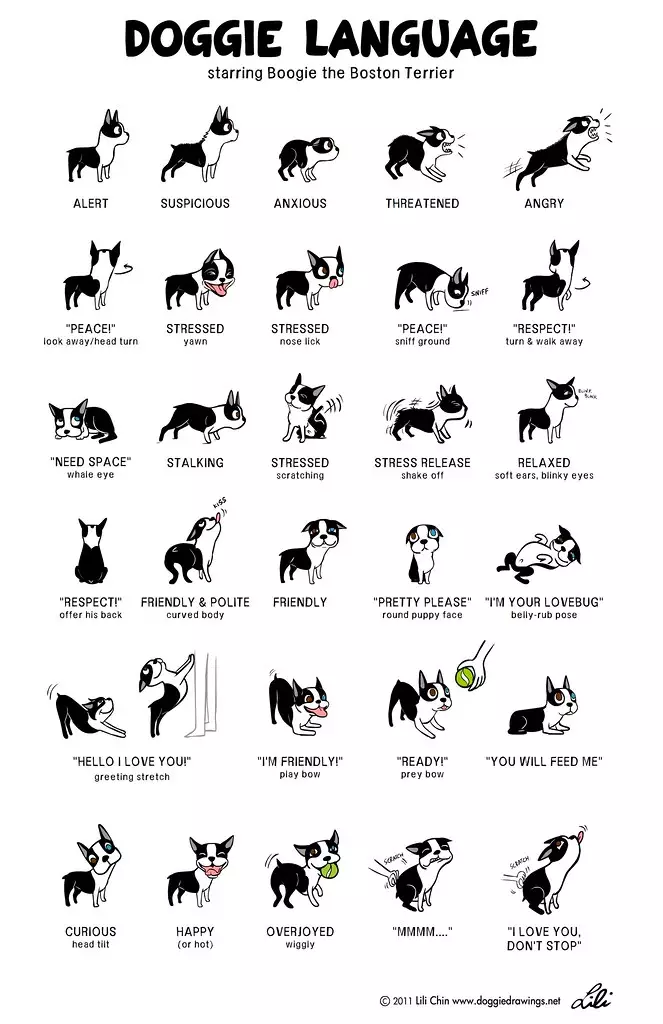
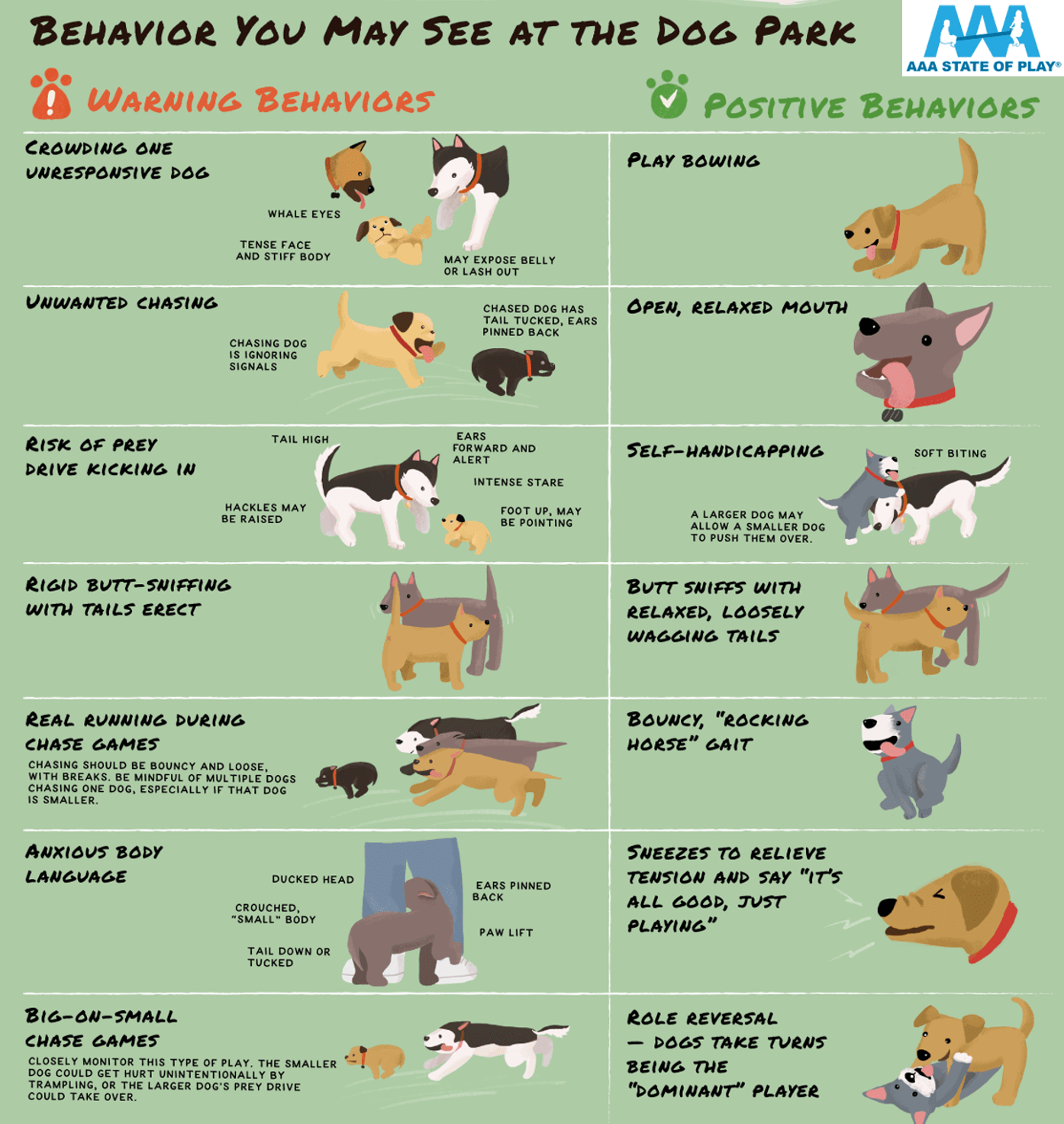
A dog behavior chart functions as a visual or descriptive reference tool that categorizes common canine postures and expressions to help owners interpret internal states. While no single universal chart exists, most effective models break down body parts—such as ears, tail, mouth, and overall stance—to illustrate what a “relaxed” versus “stressed” or “aggressive” dog looks like. For instance, a relaxed dog often exhibits a loose, wiggly body, soft eyes, and a neutral tail position. In contrast, signs of tension might include a stiff, frozen posture, a tucked or rigid tail, and the display of the whites of the eyes, often referred to as “whale eye.” These tools serve as educational guides rather than diagnostic instruments, providing a framework for understanding the nuances of Dog Behavior.
The Impact of Behavioral Awareness on Canine Well-Being
Recognizing shifts in behavior is essential for maintaining optimal Dog Health, as changes in conduct are often the first outward signs of underlying physical discomfort or illness. When a dog suddenly stops engaging in typical play, retreats to hidden areas, or displays uncharacteristic irritability, these signals should be viewed as potential indicators of a medical issue. Proactive observation allows for early intervention, which can significantly improve the prognosis for various health conditions. Furthermore, understanding these cues helps prevent the escalation of behavioral problems, as humans can intervene before a dog feels forced to use more overt methods of communication, such as growling or snapping, to express their distress.
Recognizing early signs of anxiety, such as excessive panting, lip licking, or yawning when no physical exertion is present, can help prevent behavioral escalation. — American Veterinary Medical Association (AVMA)
Practical Application of Behavior Observation
Managing a dog’s environment requires careful observation of how that dog reacts to specific stimuli, such as new people, loud noises, or other animals. If a behavior chart indicates that a dog is becoming overwhelmed, the most effective response is to remove the animal from the environment or increase the distance between the dog and the stressor. Consistent, positive reinforcement-based training is the gold standard for shaping desired behaviors, as it focuses on rewarding calm and appropriate responses rather than punishing the dog for expressing fear or discomfort. By creating a predictable and safe environment, owners can help their pets feel more secure, which naturally reduces the frequency of reactive or undesirable behaviors.
Best Practices and Common Pitfalls
One common mistake is the misinterpretation of “guilty” looks, which are often actually displays of appeasement or fear in response to a human’s angry body language. It is crucial to avoid projecting human emotions onto canine actions; dogs do not experience complex human morality in the same way, and their behaviors are usually reactions to immediate environmental context. Another best practice is to observe the dog as a whole rather than focusing on a single feature. For example, a wagging tail does not always signify happiness; it merely indicates arousal or engagement, and the meaning must be contextualized by the position of the tail and the tension in the rest of the body. Focusing on the entire physical presentation ensures a more accurate assessment of the dog’s intent and emotional state.
Canine social signaling is highly context-dependent, meaning that individual signals like tail wagging must be interpreted alongside ear position, facial tension, and overall body posture to determine meaning accurately. — American Kennel Club (AKC)
Pet Care & Wellness Overview Table
| Life Stage | Daily Activity Level | Key Nutrition / Care Focus |
|---|---|---|
| Puppy / Kitten | High (frequent short bursts) | High-protein growth diet & early socialization |
| Adult Companion | Moderate (30–60 mins daily) | Balanced maintenance nutrition & dental hygiene |
| Senior Pets | Low to Gentle (mindful walks) | Joint support (Glucosamine) & routine vet checks |
Images References




Considerations for Breed, Age, and Temperament
Every individual dog possesses a unique personality, and factors such as breed history, developmental stage, and past experiences influence how they express themselves. Certain Dog Breeds may have been selectively bred for high levels of alertness or reactivity, which can affect their default behavioral responses to environmental changes. Puppies, for instance, are still learning social cues and may display “submissive” behaviors that differ from those of a mature adult. Recognizing that an older dog may have reduced hearing or vision—which can lead to startle responses—is also vital for Dog Care. Owners should always tailor their expectations to the specific needs and temperament of their individual pet rather than relying on broad generalizations.
When to Consult a Professional
While general knowledge of behavior is beneficial, professional intervention is necessary when behaviors become persistent, dangerous, or significantly impact the quality of life. If a dog displays sudden aggression, severe separation anxiety, or ongoing phobias that do not respond to basic management, consulting a veterinarian is the first priority to rule out medical causes. Following a medical clearance, a board-certified veterinary behaviorist or a qualified, force-free professional trainer can provide a customized plan. Seeking help early is far more effective than waiting for behaviors to become deeply ingrained, and it ensures that the strategies implemented are safe, humane, and evidence-based.
Fostering a Harmonious Home
Building a life with a dog is a journey of mutual understanding, where the ability to interpret non-verbal communication creates a safer and more fulfilling bond. By utilizing resources and guidance available through PetsAnimalsWorld.com, owners can continue to refine their approach to Dog Training and daily management. Whether exploring the nuances of Dog Nutrition or deepening knowledge of behavioral psychology, the commitment to learning about the canine perspective is the foundation of responsible and compassionate companionship.




