

Understanding the Role of a Dog Behavior Expert
Navigating the complexities of canine conduct often leads owners to seek professional guidance, making the role of a dog behavior expert increasingly significant in modern pet ownership. According to the American Society for the Prevention of Cruelty to Animals (ASPCA), behavioral problems are a leading reason for the surrender of dogs to shelters, highlighting the vital importance of early intervention and professional support. Understanding what constitutes a behavior expert allows owners to make informed decisions that improve the quality of life for their pets. When a dog displays persistent anxiety, aggression, or confusion, finding the right source of guidance is the first step toward restoring harmony in the household. By distinguishing between trainers, behaviorists, and veterinary specialists, owners can better navigate the landscape of dog training and rehabilitation.
💡 Pet Care Key Takeaways:
- Core Focus: Practical health, nutrition, and wellness guidelines for Dog Behavior Expert.
- Target Scope: Pet owners, animal caregivers, and veterinary support staff.
- Best Recommendation: Maintain consistent daily routines and consult an accredited veterinarian before introducing major diet or medical changes.
Defining the Dog Behavior Expert
A dog behavior expert is a professional trained to identify, analyze, and modify problematic behaviors by applying the principles of learning theory and ethology, which is the scientific study of animal behavior. Unlike basic obedience instructors who focus on teaching commands like “sit” or “stay,” a behavior expert examines the root causes of actions such as resource guarding, separation anxiety, or reactivity. These professionals often possess specialized certifications, such as those from the Animal Behavior Society or the International Association of Animal Behavior Consultants. The goal is to provide a structured, evidence-based approach that addresses the underlying emotional state of the animal rather than merely suppressing the external symptoms. This requires a deep understanding of canine communication, including body language, vocalizations, and environmental triggers.
The Impact of Behavioral Health on Overall Well-being
Behavioral health is inextricably linked to physical health, and a dog behavior expert often works in tandem with veterinary professionals to ensure comprehensive dog health. Many behavioral manifestations, such as sudden irritability or withdrawal, can be symptomatic of underlying medical issues, including chronic pain, thyroid imbalances, or neurological conditions. By addressing the psychological needs of a dog, owners can significantly reduce cortisol levels, which in turn benefits the immune system and long-term vitality. A calm, well-adjusted dog is less prone to stress-induced health complications, making the investment in behavioral guidance a proactive measure for longevity. Understanding the biological basis of behavior allows for a more compassionate approach to management, ensuring that the dog’s environment meets its specific evolutionary and psychological needs.
Behavioral issues in dogs are frequently linked to a lack of proper socialization and exercise, which can manifest as destructive or fearful tendencies. — American Kennel Club
Addressing and Managing Behavioral Concerns
Addressing behavioral challenges requires a shift toward positive reinforcement and systematic desensitization rather than punitive measures. Positive reinforcement involves rewarding desired behaviors to increase the likelihood of their repetition, while desensitization involves exposing the dog to a low-level version of a trigger in a controlled, safe manner until the fear response diminishes. A dog behavior expert will typically conduct an assessment of the dog’s environment, daily routine, and history to develop a tailored plan. This might include adjusting exercise schedules, modifying the home environment to reduce stressors, or implementing specific training exercises that build confidence. Consistency is paramount; all members of the household must adhere to the same protocols to avoid confusing the animal and to ensure the effectiveness of the behavioral modification plan.
Best Practices and Common Misconceptions
One of the most common mistakes is the assumption that a dog is acting out of spite or dominance, a concept that has been largely debunked by modern behavioral science in favor of understanding motivation and emotional safety. Owners should avoid any training methods that rely on intimidation, fear, or physical punishment, as these can exacerbate anxiety and lead to unpredictable defensive reactions. Instead, the focus should remain on clear communication and building a bond of trust. Practical observation reveals that dogs often communicate their discomfort through subtle signals—such as lip licking, yawning, or turning the head—long before they escalate to growling or snapping. Recognizing these early signs of stress is a critical component of responsible dog care and prevents the development of more severe issues.
The use of positive reinforcement, such as food treats or play, is widely considered the most effective and humane method for teaching new behaviors. — American Veterinary Medical Association
Pet Care & Wellness Overview Table
| Life Stage | Daily Activity Level | Key Nutrition / Care Focus |
|---|---|---|
| Puppy / Kitten | High (frequent short bursts) | High-protein growth diet & early socialization |
| Adult Companion | Moderate (30–60 mins daily) | Balanced maintenance nutrition & dental hygiene |
| Senior Pets | Low to Gentle (mindful walks) | Joint support (Glucosamine) & routine vet checks |
Images References


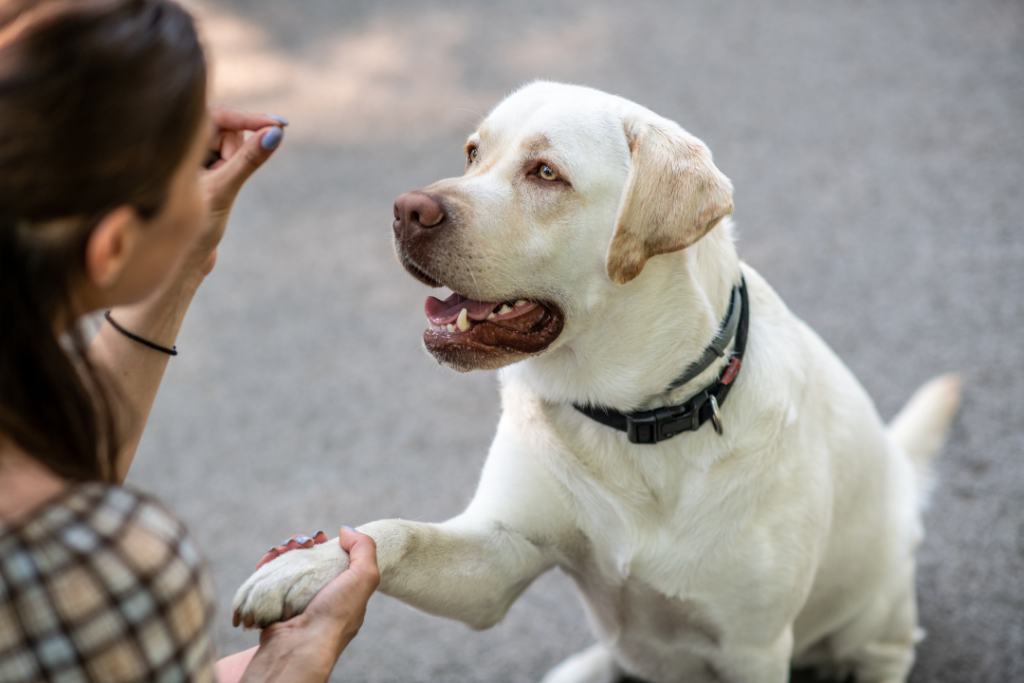


Breed, Age, and Temperament Considerations
Every dog is an individual, and behavioral strategies must be adjusted to account for breed-specific traits, age, and unique temperament. While certain dog breeds were historically developed for specific tasks—such as herding or guarding—these genetic predispositions do not dictate a dog’s behavior, but they do influence the types of enrichment and structure the animal requires. Puppies, for instance, are in a critical window of social development and require different approaches compared to senior dogs who may be experiencing cognitive decline or sensory loss. A behavior expert considers these variables to ensure that the training plan is age-appropriate and sustainable. Recognizing that a high-energy working breed may require more mental stimulation than a low-energy companion breed is essential for preventing boredom, which is a frequent precursor to destructive behavior.
When to Consult a Professional
Consulting a professional is essential when a dog displays behaviors that pose a risk to themselves, other animals, or people, or when standard management techniques fail to produce improvement. If a dog exhibits sudden changes in behavior, a visit to the veterinarian is the first priority to rule out medical causes. For chronic or complex behavioral issues, a board-certified veterinary behaviorist or a certified professional trainer with a specialization in behavior modification can provide the necessary expertise. Do not wait for a situation to escalate; early intervention is significantly more effective and less stressful for the dog. Professional guidance provides the tools to navigate challenges safely, ensuring the safety of the household and the psychological health of the pet.
Building a Harmonious Future
Achieving a harmonious relationship with a canine companion is a journey of patience, education, and mutual respect. By utilizing the expertise of qualified professionals and adhering to evidence-based, humane practices, owners can overcome behavioral hurdles and foster a deep, lasting bond. For more information on understanding canine needs, training techniques, and long-term health, explore the resources available at PetsAnimalsWorld.com. Whether focusing on dog behavior or learning about breed-specific care, ongoing education remains the most effective tool for any dedicated owner.



