

Understanding Why Dogs Dig Indoors
Carpets in residential spaces often bear the brunt of unexpected canine habits, leaving household members perplexed by frantic scratching and clawing at woven fibers. According to the American Society for the Prevention of Cruelty to Animals, destructive scratching and indoor digging behaviors frequently stem from deeply rooted instincts, unmet physical needs, or environmental stressors rather than simple mischief. Recognizing the psychological and physical drivers behind this activity helps households respond appropriately, transforming a frustrating household challenge into an opportunity for positive enrichment and stronger human-canine bonds.
💡 Pet Care Key Takeaways:
- Core Focus: Practical health, nutrition, and wellness guidelines for Dog Behavior Digging The Carpet.
- Target Scope: Pet owners, animal caregivers, and veterinary support staff.
- Best Recommendation: Maintain consistent daily routines and consult an accredited veterinarian before introducing major diet or medical changes.
The Root Causes of Indoor Scratching
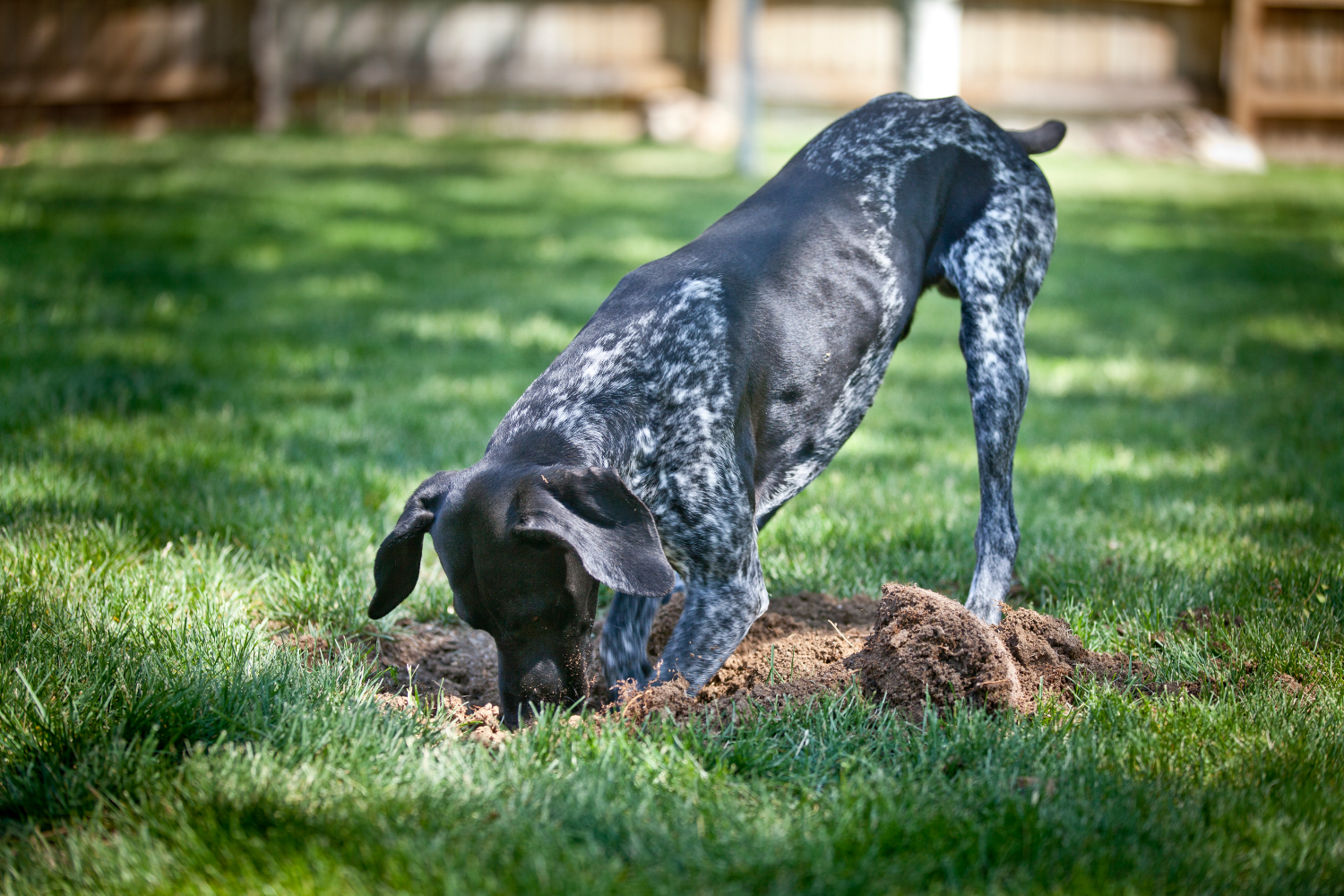
Dog behavior digging the carpet typically manifests as a repetitive, rhythmic scraping motion directed at rugs, runners, or wall-to-wall flooring. This phenomenon is often linked to ancestral den-building instincts, where wild canids manipulated soil and brush to create secure resting spaces. Domestic dogs may attempt to modify their sleeping micro-environment by smoothing out a cushion, cooling off against the underlying floor, or preparing a comfortable berth. Additionally, scent marking plays a significant role; paw pads contain sweat and pheromone glands that leave distinct olfactory signals when scratched against textured surfaces, allowing animals to claim territory within the home. For more related activities, check out our Dog Heat Behavior Changes.
Evaluating Environmental and Psychological Impacts
Persistent indoor excavation can lead to severe fabric degradation, ruined flooring substrates, and potential dental or claw injuries if the scratching becomes obsessive. When dogs engage in repetitive floor scratching out of distress, the activity may serve as a displacement behavior—a coping mechanism utilized to discharge nervous energy or alleviate emotional tension. Boredom and cognitive stagnation also contribute heavily, as intelligent animals seek physical stimulation when everyday routines lack adequate outlets for natural exploration and problem-solving. Identifying the precise triggers helps determine whether the issue stems from mild under-stimulation or deeper anxiety.
Destructive scratching and indoor digging behaviors frequently stem from deeply rooted instincts, unmet physical needs, or environmental stressors rather than simple mischief. — American Society for the Prevention of Cruelty to Animals
Practical Management and Humane Intervention Strategies
Managing indoor clawing requires redirecting the animal’s natural inclinations toward appropriate outlets while removing the reinforcement associated with the carpeted area. Providing designated digging zones, such as a sandbox filled with safe materials or a specialized dig box indoors, gives the animal an acceptable channel for this specific urge. Furthermore, increasing daily aerobic exercise, introducing interactive puzzle toys, and engaging in structured obedience sessions help burn excess mental and physical energy that might otherwise manifest as destructive household habits. Positive reinforcement ensures that alternative activities remain far more appealing than scratching the living room rug.
Best Practices and Common Mistakes to Avoid
Punishment should always be avoided when addressing indoor scratching, as yelling or physical reprimands tend to heighten anxiety and may inadvertently exacerbate the underlying stress causing the behavior. Instead, focus on proactive management, such as blocking access to favored scratching spots using heavy furniture, baby gates, or temporary protective mats until alternative habits take root. Consistency across all household members remains paramount; allowing access to the behavior intermittently creates variable reinforcement, which accidentally strengthens the habit and makes future modification significantly more difficult.
Canines possess ancestral den-building instincts, which frequently prompt them to manipulate textured surfaces to create comfortable, secure resting environments. — American Kennel Club
Pet Care & Wellness Overview Table
| Life Stage | Daily Activity Level | Key Nutrition / Care Focus |
|---|---|---|
| Puppy / Kitten | High (frequent short bursts) | High-protein growth diet & early socialization |
| Adult Companion | Moderate (30–60 mins daily) | Balanced maintenance nutrition & dental hygiene |
| Senior Pets | Low to Gentle (mindful walks) | Joint support (Glucosamine) & routine vet checks |
Images References







Breed, Age, and Temperament Considerations
Certain canine groups exhibit a higher predisposition toward excavation due to selective breeding histories oriented around earth-working tasks. Terriers, dachshunds, and various hound or working breeds were historically developed to flush quarry from burrows, making the physical motion of digging an deeply ingrained part of their behavioral repertoire. Age also plays a distinct role; adolescent animals experiencing high energy peaks and senior dogs navigating cognitive decline may display increased restlessness, wandering, or repetitive floor-manipulation tendencies that require tailored adjustments to their daily care.
When to Consult a Veterinary Professional or Certified Behaviorist
Persistent, frantic, or obsessive scratching that causes self-injury, paw pad damage, or severe household disruption warrants a professional evaluation by a veterinarian or a qualified, certified animal behaviorist. Medical conditions, such as dermatological irritation, orthopedic discomfort, or neurological shifts, can sometimes manifest as localized obsessive-compulsive habits or attempts to soothe physical discomfort against cool or textured flooring. A thorough clinical examination rules out underlying pathology before a behavior modification plan is implemented, ensuring the animal’s physical and emotional well-being is comprehensively safeguarded.
Supporting Long-Term Canine Well-Being
Addressing indoor scratching successfully involves a holistic commitment to understanding canine communication, environmental enrichment, and emotional health. By exploring professional resources focused on Dog Behavior, owners can deepen their understanding of subtle body language cues. Implementing structured advice found in Dog Training guides helps establish clear communication channels, while maintaining general wellness through insights on Dog Care ensures every pet thrives safely at home. Visit PetsAnimalsWorld.com for further guidance on creating a harmonious living environment for every member of the household.




