

Understanding Behavioral Shifts Expectant Canines Display
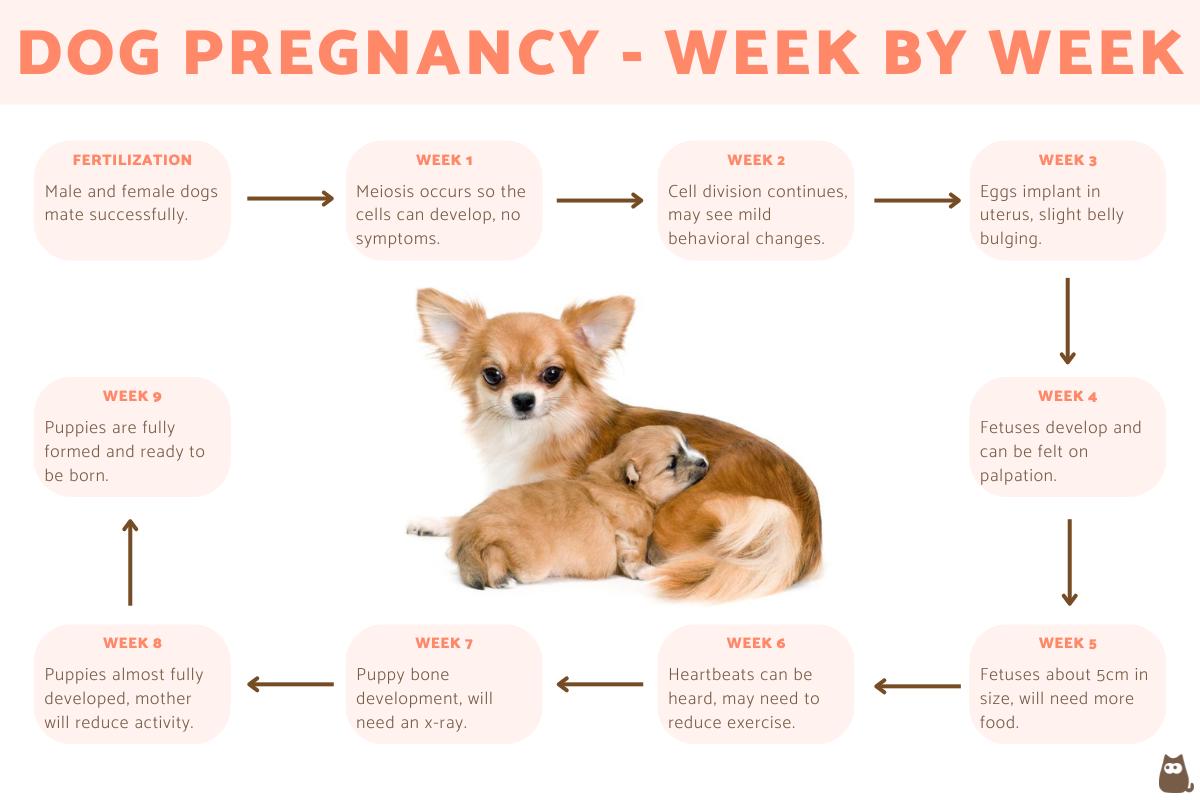
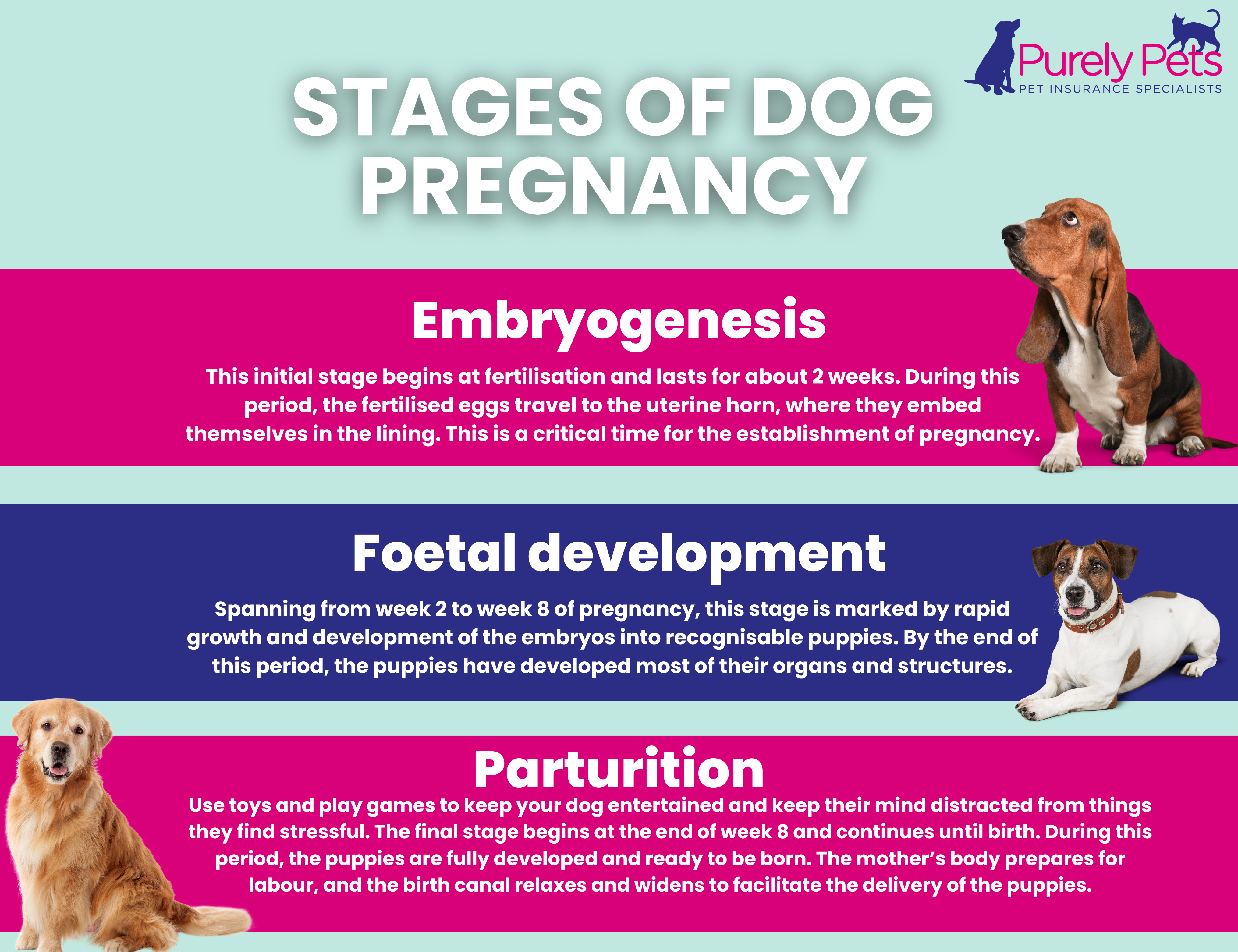
Navigating the physiological and psychological changes of an expectant dog requires patience, attentiveness, and a solid foundation in animal science. According to the American Kennel Club (AKC), canine gestation typically lasts approximately 63 days, during which profound hormonal fluctuations reshape how an expectant mother interacts with her human family and environment. Observing these shifts early allows households to provide appropriate support while ensuring both maternal well-being and fetal health remain top priorities. Emotional and physical adaptations are entirely normal, yet understanding the underlying biology helps distinguish standard gestational shifts from potential medical concerns.
💡 Pet Care Key Takeaways:
- Core Focus: Practical health, nutrition, and wellness guidelines for Dog Behavior During Pregnancy.
- Target Scope: Pet owners, animal caregivers, and veterinary support staff.
- Best Recommendation: Maintain consistent daily routines and consult an accredited veterinarian before introducing major diet or medical changes.
Defining Canine Gestational Conduct and Hormonal Drivers
Dog behavior during pregnancy encompasses the observable psychological and physical adjustments a female dog undergoes after conception, driven primarily by surges in progesterone and prolactin. Progesterone supports the maintenance of pregnancy by stabilizing the uterine lining, but this hormone also induces lethargy, mood alterations, and decreased activity levels in many expectant animals. Simultaneously, instincts related to maternal protection begin to emerge weeks before whelping, leading to shifts in socialization preferences. Familiarizing oneself with these natural responses prevents unnecessary worry and promotes a calm household atmosphere during a delicate life stage.
The Impact of Gestation on Daily Routine and Comfort
Gestational progression places increasing physical and emotional demands on the animal, fundamentally altering daily interactions and energy expenditures. As internal anatomy shifts to accommodate developing puppies, physical discomfort can lower tolerance for rambunctious play, loud noises, or unfamiliar visitors. This heightened sensitivity often manifests as increased clinginess or, conversely, a desire for secluded rest. Recognizing these boundary changes is vital for maintaining a stress-free environment that supports optimal Dog Health throughout the entire gestation period.
Hormonal shifts driven by progesterone and prolactin are the primary biological catalysts for altered temperament and nesting instincts during canine gestation. — American Kennel Club
Managing Maternal Stress and Environmental Adjustments
Supporting an expectant canine involves creating a predictable, low-stress environment that accommodates changing physical needs without disrupting overall stability. Providing gentle, low-impact exercise maintains muscle tone without overexerting the body, while specialized Dog Nutrition supplies the elevated caloric and mineral intake required by veterinary standards. Careful monitoring of daily routines ensures that subtle signs of distress are addressed immediately. Consistency in feeding schedules and resting locations helps anchor the animal’s sense of security during a time of intense internal transformation.
Best Practices and Common Pitfalls During Gestation
Maintaining optimal welfare for an expectant dog requires adhering to proven husbandry principles while avoiding well-intentioned mistakes. A frequent error involves forcing unwanted social interactions or allowing children to disturb the mother while she rests. Establishing a dedicated, quiet whelping box weeks in advance gives the dog ample time to acclimate naturally to her designated nursery area. Punitive training methods must be strictly avoided; any sudden reactivity or resource guarding must be managed through positive management rather than confrontation, aligning with expert guidance found in professional Dog Training frameworks.
Providing a quiet, designated nesting area at least two weeks prior to the expected delivery date significantly reduces maternal anxiety and facilitates natural whelping preparation. — American Veterinary Medical Association
Pet Care & Wellness Overview Table
| Life Stage | Daily Activity Level | Key Nutrition / Care Focus |
|---|---|---|
| Puppy / Kitten | High (frequent short bursts) | High-protein growth diet & early socialization |
| Adult Companion | Moderate (30–60 mins daily) | Balanced maintenance nutrition & dental hygiene |
| Senior Pets | Low to Gentle (mindful walks) | Joint support (Glucosamine) & routine vet checks |
Images References





Breed, Age, and Temperament Influences on Gestational Moods
Individual responses to gestation vary widely based on genetic predisposition, prior reproductive history, baseline temperament, and physical maturity. High-energy working breeds might struggle more with enforced exercise restrictions, displaying restlessness or anxiety when confinement is necessary. Conversely, naturally independent companion dogs may become exceptionally affectionate, seeking constant physical reassurance from trusted human companions. Evaluating these unique traits ensures that the care plan remains tailored to the specific individual rather than relying on generalized assumptions.
When Professional Veterinary Guidance Becomes Essential
Recognizing the threshold between normal gestational adjustment and emergent medical distress protects the health of both the mother and the developing litter. Persistent lethargy, refusal to eat, abnormal vaginal discharge, or signs of intense pain warrant an immediate veterinary examination rather than a wait-and-see approach. Professional consultation is equally crucial if severe behavioral anomalies, such as extreme panic or unprovoked aggression, disrupt household safety. Prioritizing expert veterinary oversight ensures that any underlying complications are diagnosed and managed swiftly.
Ensuring Comprehensive Care Through Dedicated Resources
Supporting an expectant dog successfully blends attentive observation with evidence-based husbandry and consistent veterinary oversight from conception through postpartum recovery. Exploring specialized educational materials can deepen comprehension of complex reproductive phases and daily maintenance strategies. Discover more expert insights across various topics by visiting PetsAnimalsWorld.com and exploring specific categories such as Dog Behavior and Dog Care to ensure every canine companion receives optimal, informed support.




