

According to the American Kennel Club, dogs possess an extraordinary sense of smell that allows them to detect subtle chemical and hormonal shifts in humans long before physical changes become apparent. This acute sensory perception means that household pets often notice a human pregnancy almost as soon as the test turns positive. Recognizing how these fascinating changes influence canine conduct helps households maintain a harmonious environment for both the expectant parents and the resident pets. Preparing a four-legged family member for a new arrival requires patience, empathy, and a strong foundation in Dog Behavior.
💡 Pet Care Key Takeaways:
- Core Focus: Practical health, nutrition, and wellness guidelines for Dog Behavior During Human Pregnancy.
- Target Scope: Pet owners, animal caregivers, and veterinary support staff.
- Best Recommendation: Maintain consistent daily routines and consult an accredited veterinarian before introducing major diet or medical changes.
Understanding Canine Sensitivity to Hormonal and Environmental Shifts
Dog behavior during human pregnancy encompasses the various physical and psychological reactions animals display in response to human hormonal fluctuations, shifting household routines, and nursery preparations. Canines rely heavily on olfaction—the sense of smell—and non-verbal cues to interpret their social environment. When a person becomes pregnant, distinct endocrine changes alter their scent profile. Furthermore, the anticipation surrounding a new baby introduces unfamiliar items like cribs, strollers, and high chairs into the living space, which can trigger curiosity, confusion, or mild anxiety in sensitive dogs.
Recognizing Stress Signals and Routine Disruptions
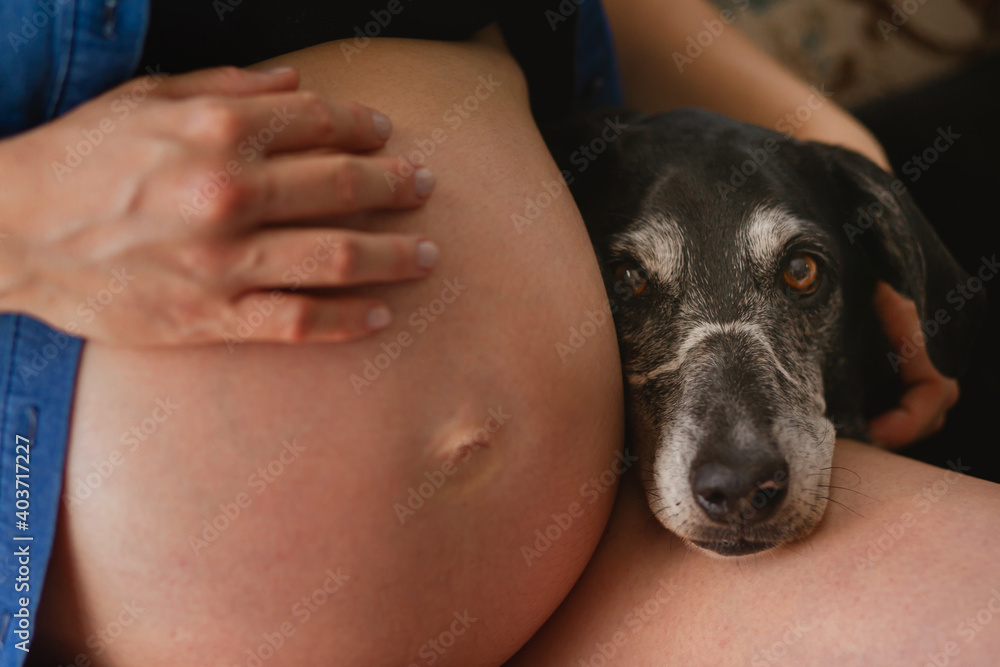
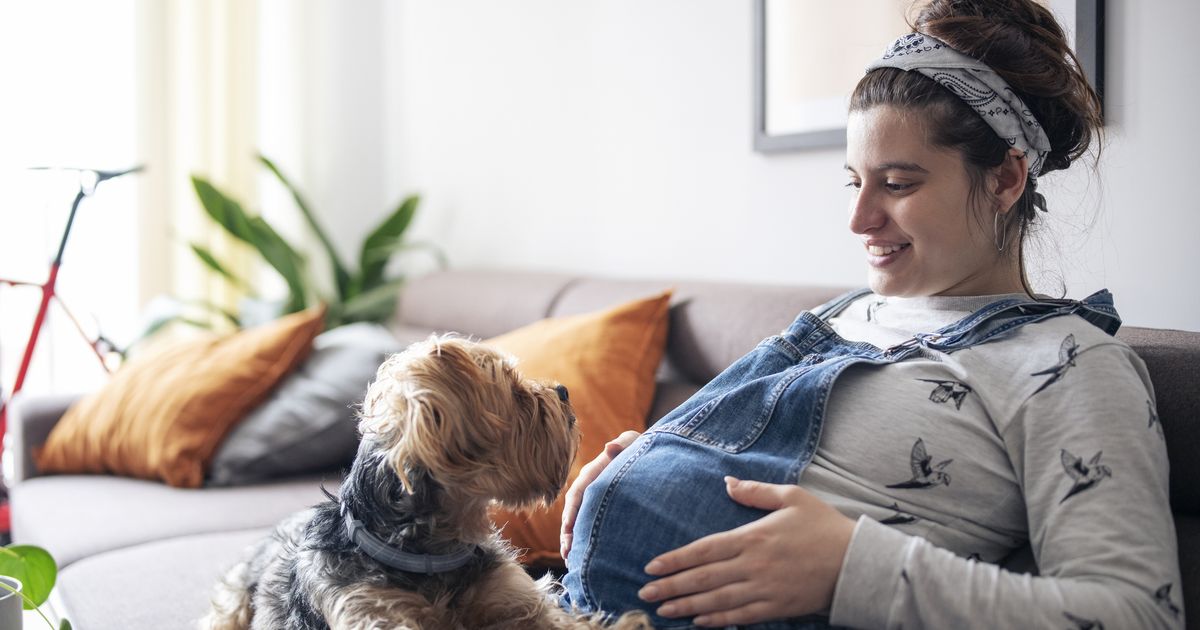
Environmental and hormonal shifts often lead to noticeable changes in daily canine routines, requiring attentive oversight of Dog Health and emotional well-being. Some dogs become exceptionally clingy, following the pregnant individual from room to room and resting their heads directly on the changing abdomen. Conversely, others display avoidance, pacing, excessive vocalization, or subtle stress signals such as yawning, lip-licking, and panting. These varied responses stem from an instinctual awareness that significant changes are underway, coupled with uncertainty about their future role and security within the family pack.
Canines can detect human endocrine shifts through heightened olfactory receptors capable of identifying minute changes in body chemistry — American Kennel Club
Proactive Management and Positive Reinforcement Strategies
Managing canine adjustments effectively involves introducing household changes gradually and reinforcing calm, relaxed responses through positive conditioning rather than punitive measures. Introducing baby-related scents, such as lotions and powders, well in advance helps desensitize the animal to unfamiliar aromas associated with infants. Establishing clear boundaries early—such as teaching a reliable “go to mat” cue—prevents unwanted jumping or crowding as physical mobility changes. Ensuring consistent physical exercise and mental enrichment further stabilizes mood, mitigating potential anxiety related to shifting human schedules and attention patterns.
Best Practices for Household Preparation and Boundary Setting
Successful preparation relies on consistent routines, rewarding desirable responses, and avoiding sudden, jarring restrictions that might cause a negative emotional association with the incoming infant. One common mistake involves abruptly banishing the dog from rooms or furniture once the nursery is set up, which can breed resentment or separation-related distress. Instead, alternate resting areas should be introduced as positive, comfortable spaces long before the due date. Engaging professional guidance through structured Dog Training programs ensures that foundational obedience remains strong even amidst the whirlwind of nursery preparations.
Gradual desensitization to infant sounds and equipment significantly reduces stress-related reactivity in household pets prior to delivery — American Veterinary Medical Association
Pet Care & Wellness Overview Table
| Life Stage | Daily Activity Level | Key Nutrition / Care Focus |
|---|---|---|
| Puppy / Kitten | High (frequent short bursts) | High-protein growth diet & early socialization |
| Adult Companion | Moderate (30–60 mins daily) | Balanced maintenance nutrition & dental hygiene |
| Senior Pets | Low to Gentle (mindful walks) | Joint support (Glucosamine) & routine vet checks |
Images References






Breed Temperament and Individual Personality Influences
Individual temperament, age, past socialization, and inherent breed characteristics heavily influence how a particular dog responds to an expanding family. Working and herding groups often display heightened protective instincts, while companion breeds might seek continuous physical reassurance. Understanding foundational traits associated with specific Dog Breeds helps families anticipate specific sensitivities, such as noise reactivity or resource guarding. Nevertheless, every animal is an individual, and broad generalizations should always take a back seat to careful observation of the specific dog’s comfort levels.
Knowing When to Seek Professional Behavioral Guidance
Persistent behavioral regression, extreme clinginess that turns into distress when separated, or any signs of growling, stiffening, or snapping directed toward the pregnant individual necessitate immediate professional intervention. Punishing a stressed animal for growling removes a vital warning sign, potentially increasing the risk of unpredictable incidents. Pet owners dealing with severe anxiety or defensive tendencies should consult a qualified, certified professional trainer or veterinary behaviorist who utilizes humane, science-based methods. Maintaining proactive communication with a veterinarian ensures that underlying medical discomfort is ruled out whenever a dog’s demeanor shifts abruptly.
Supporting Family Harmony Through Informed Preparation
Balancing the needs of an expectant household while nurturing a beloved pet requires dedication, thoughtful planning, and continuous observation of animal comfort. By prioritizing proactive socialization, gradual environmental adjustments, and compassionate Dog Care, families can lay the groundwork for a safe and joyful transition. Exploring additional expert resources on PetsAnimalsWorld.com provides further insights into fostering a secure, thriving environment where both children and pets can flourish together.




