
Decoding Canine Communication: Why Understanding Dog Behavior Matters
Interpreting canine actions goes far beyond simple obedience training, serving as a fundamental pillar of responsible pet ownership. According to the American Society for Prevention of Cruelty to Animals (ASPCA), behavioral issues remain a primary reason dogs are relinquished to shelters, underscoring the vital importance of early comprehension. By recognizing the rich tapestry of body language, vocalizations, and environmental responses, human companions bridge a communication divide that prevents misunderstandings and fosters lasting bonds. Every canine expression carries meaning, reflecting internal emotional states shaped by genetics, learning history, and immediate surroundings.
💡 Pet Care Key Takeaways:
- Core Focus: Practical health, nutrition, and wellness guidelines for Dog Behavior Explained.
- Target Scope: Pet owners, animal caregivers, and veterinary support staff.
- Best Recommendation: Maintain consistent daily routines and consult an accredited veterinarian before introducing major diet or medical changes.
Defining Dog Behavior Explained Through Science and Observation
Dog behavior encompasses the observable actions, reactions, and interactions of canines in response to internal motivations and external stimuli. Ethology, the scientific study of animal behavior, categorizes these actions into instinctive drives, learned responses, and social communications. A comprehensive examination of canine conduct involves analyzing antecedent events—what happens immediately before an action—and consequences—what happens immediately after. This systematic approach allows observers to view actions objectively rather than projecting human emotions onto the animal. Through this lens, destructive chewing, barking, or pacing transform from simple nuisances into valuable data about stress, boredom, or medical discomfort.
The Direct Impact of Behavioral Well-Being on Quality of Life
Behavioral health is deeply intertwined with physical wellness, as untreated stress and anxiety often manifest through physiological symptoms and vice versa. Chronic stress elevates cortisol levels, potentially weakening immune function and exacerbating underlying medical conditions such as canine osteoarthritis or dermatological disorders. Conversely, undetected pain frequently drives sudden behavioral shifts, including reactivity, lethargy, or reluctance to be handled. Evaluating an animal’s daily routine, environmental enrichment, and social interactions reveals critical clues about overall welfare, ensuring that both body and mind remain balanced.
Behavioral changes are frequently the earliest indicators of underlying medical discomfort or chronic pain in companion animals — American Veterinary Medical Association (AVMA)
Applying Evidence-Based Techniques to Guide Canine Conduct
Guiding canine conduct effectively relies on positive reinforcement, a methodology rooted in behavioral science that rewards desired actions while removing reinforcement for unwanted ones. Humane training methods prioritize clarity, consistency, and emotional safety, helping learners build confidence and trust in human handlers. Establishing predictable daily routines reduces anxiety and sets clear expectations for household living. Furthermore, providing adequate physical exercise and mental stimulation through scent games, puzzle toys, and structured exploration satisfies natural instincts, naturally curbing frustration-based habits.
Best Practices and Common Pitfalls in Managing Canine Conduct
Avoiding punitive measures, intimidation, and dominance-based theories is essential because fear and punishment consistently elevate aggression risks and erode the human-animal bond. Consistency across all household members prevents confusion, ensuring the learner clearly understands which actions yield positive outcomes. Patience remains paramount, as learning is a gradual neurological process rather than an overnight fix. Monitoring environmental triggers helps prevent over-threshold reactions, allowing the learner to process situations calmly without resorting to defensive postures like freezing, growling, or snapping.
Positive reinforcement training strengthens the bond between human and animal while effectively reducing stress-related problem actions — American Kennel Club (AKC)
Pet Care & Wellness Overview Table
| Life Stage | Daily Activity Level | Key Nutrition / Care Focus |
|---|---|---|
| Puppy / Kitten | High (frequent short bursts) | High-protein growth diet & early socialization |
| Adult Companion | Moderate (30–60 mins daily) | Balanced maintenance nutrition & dental hygiene |
| Senior Pets | Low to Gentle (mindful walks) | Joint support (Glucosamine) & routine vet checks |
Images References


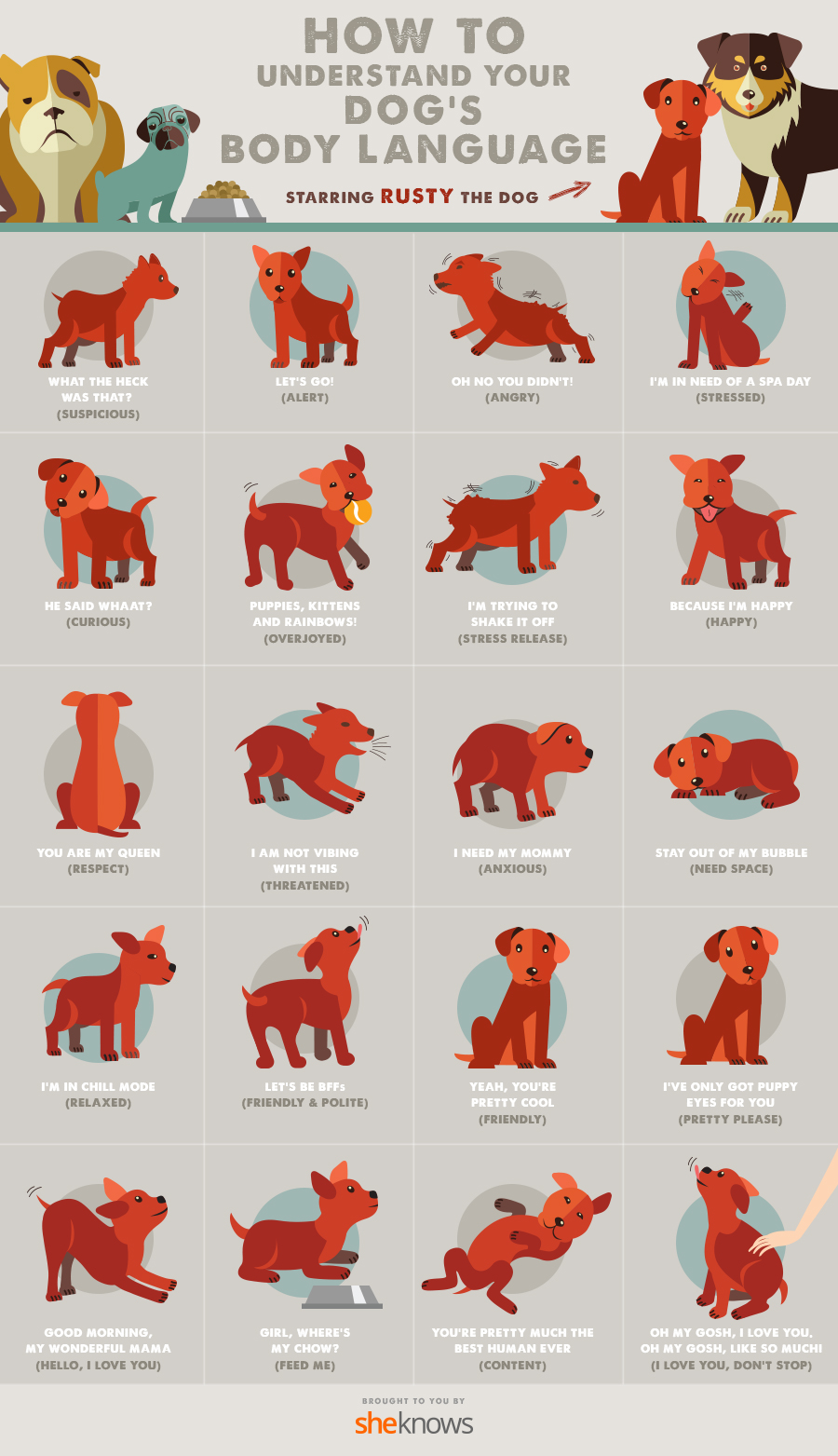


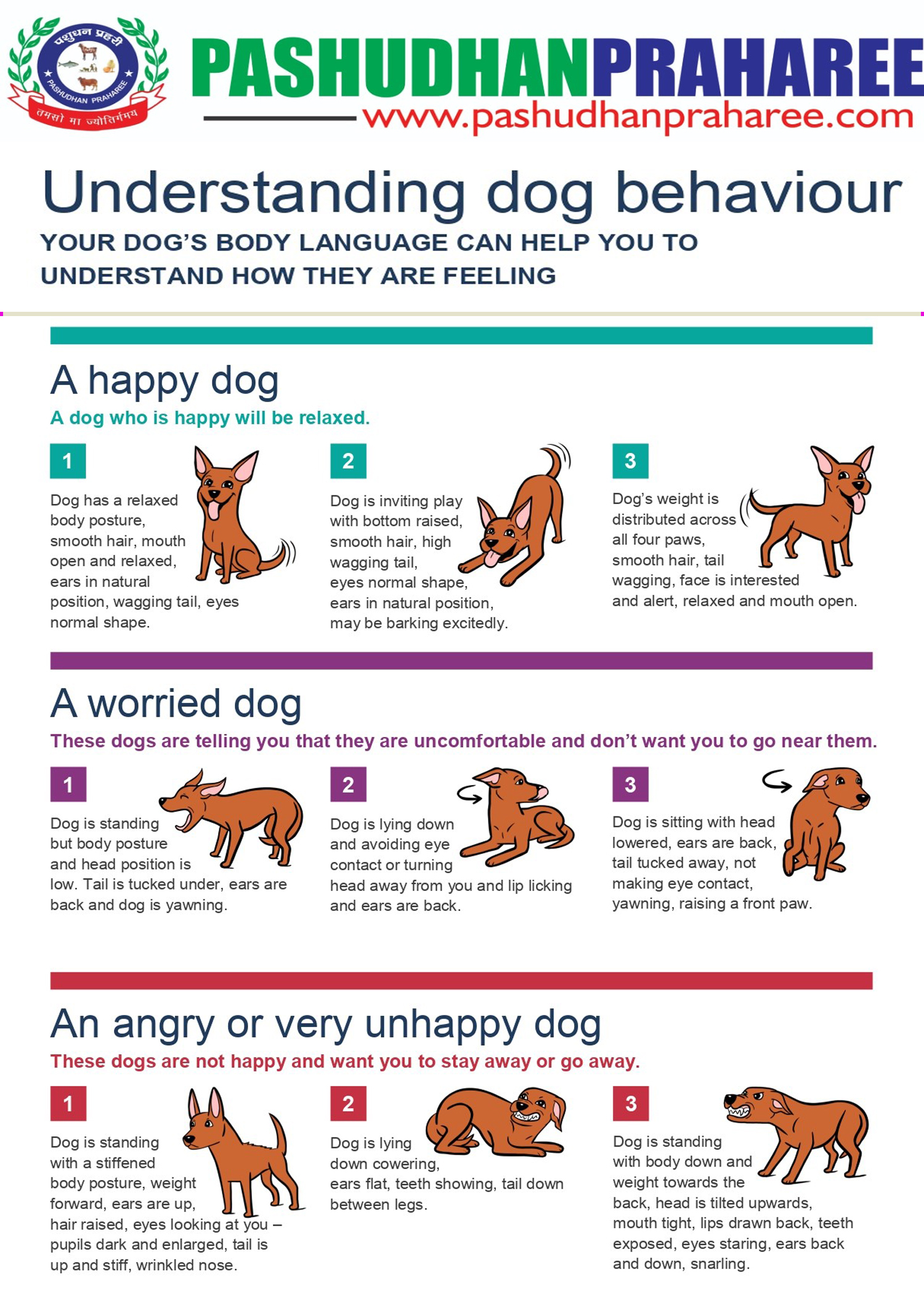


Breed History, Age, and Temperament Considerations
Individual predispositions heavily influence behavioral tendencies, making breed background, life stage, and unique temperament vital contextual factors. Herding breeds may exhibit nipping tendencies born from ancestral work, while guardian types might display heightened alertness toward unfamiliar visitors. Puppies explore the world primarily through their mouths and require patient guidance through appropriate chewing outlets, whereas senior dogs may experience cognitive decline that alters sleep cycles and spatial awareness. Recognizing these inherent traits prevents unrealistic expectations and allows for tailored Dog Care strategies that respect individual heritage and developmental milestones.
When to Consult a Veterinary Professional or Certified Behaviorist
Persistent, worsening, or dangerous behavioral concerns require guidance from qualified professionals such as board-certified veterinary behaviorists or certified trainers who utilize humane, science-based methods. Immediate veterinary evaluation is necessary when sudden behavioral shifts occur, particularly involving aggression, vocalizations of pain, house-soiling, or disorientation. For complex challenges like severe separation anxiety, generalized fear, or resource guarding, a multidisciplinary approach combining medical screening, environmental management, and specialized Dog Training ensures the safety and well-being of everyone involved.
Exploring Further Resources for Dedicated Owners
Deepening knowledge about canine conduct empowers owners to provide enriched, supportive environments that honor the emotional and physical needs of their companion animals. Continual learning regarding Dog Behavior, Dog Health, and breed specifics transforms everyday interactions into opportunities for mutual understanding and trust. Reliable information acts as a shield against outdated myths, guiding households toward compassionate, scientifically sound management practices. Visit PetsAnimalsWorld.com to explore comprehensive guides, expert insights, and practical advice designed to support every stage of the journey.




