

Understanding canine estrus and its impact on household routines
Navigating the physiological cycle of a female canine requires patience, careful observation, and a solid understanding of normal reproductive health. According to the American Kennel Club, female dogs typically experience their first estrus cycle—commonly referred to as being in heat—between six and twelve months of age, though larger breeds may mature at a slower pace. This natural reproductive phase brings notable hormonal shifts that directly influence daily routines, household management, and interactions with other animals. Recognizing the physiological and behavioral changes associated with this period helps ensure appropriate care and minimizes stress for everyone in the home.
💡 Pet Care Key Takeaways:
- Core Focus: Practical health, nutrition, and wellness guidelines for Dog Behavior During Menstruation.
- Target Scope: Pet owners, animal caregivers, and veterinary support staff.
- Best Recommendation: Maintain consistent daily routines and consult an accredited veterinarian before introducing major diet or medical changes.
Defining the estrus cycle and hormonal shifts
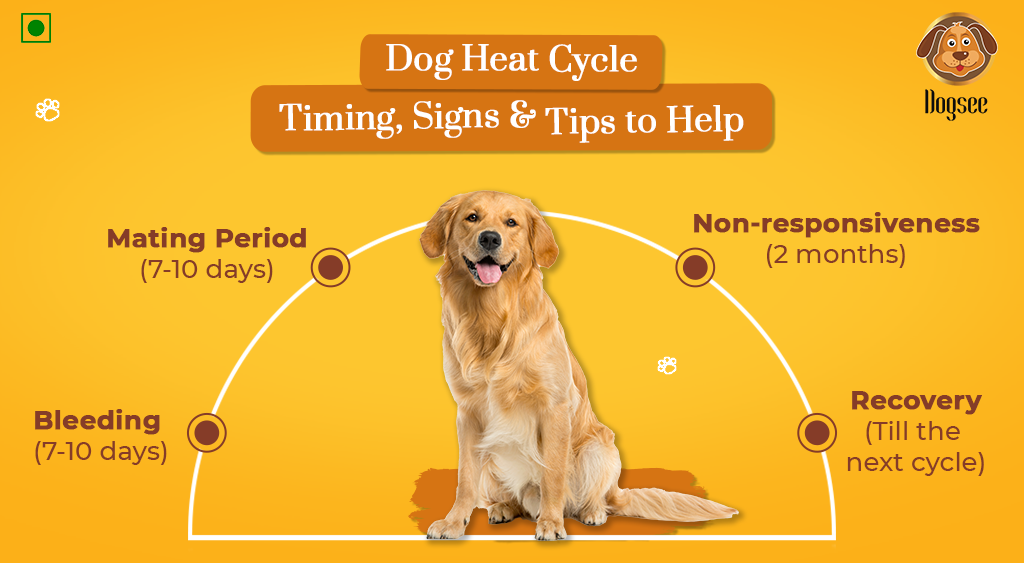
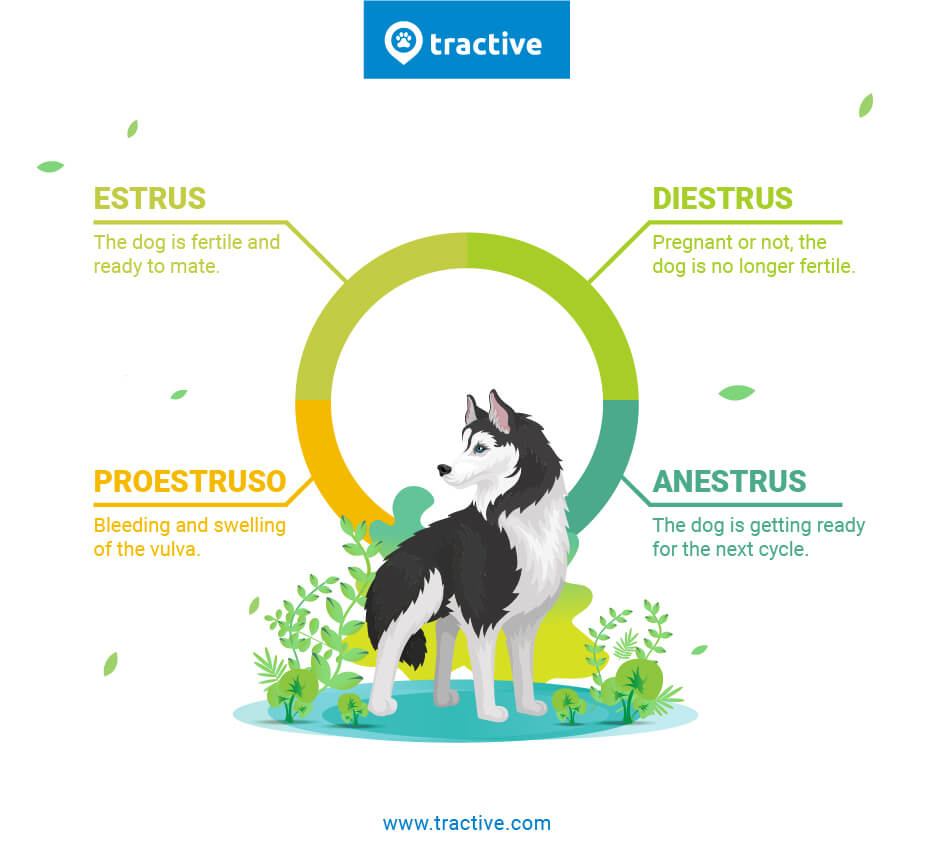
Dog behavior during menstruation is driven by a complex cascade of hormones, primarily estrogen and progesterone, which regulate the reproductive cycle known clinically as estrus. Unlike human menstruation, which involves shedding the uterine lining due to the absence of pregnancy, canine estrus marks the fertile window when a female becomes receptive to mating. During proestrus, the initial phase lasting roughly nine days, estrogen levels rise, causing swelling of the vulva and a bloody vaginal discharge. As the cycle transitions into true estrus, estrogen declines and progesterone rises, prompting distinct shifts in scent production and social signaling that attract male dogs from significant distances. For more related activities, check out our Dog Unpredictable Behavior.
Behavioral, physical, and environmental impacts
Hormonal fluctuations during estrus frequently alter mood, energy levels, and social interactions within the domestic environment. Some individuals become unusually clingy, seeking constant physical contact with human family members, while others display irritability, restlessness, or a desire for isolation. Physical discomfort from uterine cramping or localized swelling can also manifest as mild lethargy or reluctance to engage in strenuous exercise. Additionally, outdoor walks require heightened vigilance because heightened scent attraction can lead to unpredictable impulses, bolting, or defensive reactions around unfamiliar dogs.
Female dogs in estrus undergo distinct hormonal fluctuations that alter scent profiles, hormone-driven motivations, and localized physical comfort levels — American Kennel Club
Managing daily care and environment during estrus
Maintaining comfort and hygiene during the cycle involves implementing practical management strategies tailored to the individual animal’s temperament. Protective garments, commonly known as heat pants or dog diapers fitted with disposable liners, help protect household furniture and flooring from discharge. These garments should be checked and changed frequently to prevent skin irritation and maintain proper hygiene. Indoor enrichment, such as puzzle toys and gentle indoor games, helps channel restless energy safely when outdoor excursions must be restricted to controlled, leashed bathroom breaks.
Best practices and common pitfalls to avoid
Successful management relies on proactive environmental control rather than reactive discipline when behavioral challenges arise. A common mistake involves assuming an enclosed yard is entirely secure; intact males possess an extraordinary sense of smell and can easily breach standard fencing when a female is in estrus. Furthermore, raising voice levels or punishing a dog for anxious or clingy behavior only exacerbates stress. Instead, maintain a predictable daily routine, offer calm reassurance, and ensure secure leash handling during every outdoor trip. Proper oversight safeguards both physical well-being and emotional stability.
Intact male dogs can detect the scent of a female in estrus from long distances, requiring continuous supervision and secure outdoor containment — American Veterinary Medical Association
Pet Care & Wellness Overview Table
| Life Stage | Daily Activity Level | Key Nutrition / Care Focus |
|---|---|---|
| Puppy / Kitten | High (frequent short bursts) | High-protein growth diet & early socialization |
| Adult Companion | Moderate (30–60 mins daily) | Balanced maintenance nutrition & dental hygiene |
| Senior Pets | Low to Gentle (mindful walks) | Joint support (Glucosamine) & routine vet checks |
Images References



Breed, age, and individual temperament considerations
The intensity of behavioral changes during estrus varies considerably depending on breed traits, genetic predispositions, and individual life stage. Toy and small-breed dogs often experience cycles every four to six months, whereas giant breeds may experience longer intervals of six to twelve months between cycles. Working and herding breeds sometimes exhibit heightened restlessness or protective instincts due to their strong genetic drives. Younger dogs undergoing their first cycle frequently display greater confusion or anxiety simply because the hormonal sensations are entirely unfamiliar. Recognizing these individual nuances allows caregivers to adjust expectations and provide targeted support.
When to consult a veterinary professional
While estrus is a normal biological process, certain signs warrant prompt evaluation by a veterinary professional to rule out underlying health complications. Guidance on Dog Health emphasizes that foul-smelling discharge, excessive lethargy, loss of appetite, or prolonged bleeding lasting beyond four weeks can indicate severe conditions such as pyometra—a life-threatening uterine infection—or hormonal imbalances. Regular veterinary oversight ensures that any abnormal symptoms are addressed swiftly, protecting long-term reproductive and systemic health.
Supporting canine well-being through informed care
Providing compassionate, structured care during a canine reproductive cycle strengthens the bond between pets and their human families. Exploring resources dedicated to Dog Behavior and practical Dog Care offers additional insights into managing seasonal changes and life stages effectively. Every dog responds uniquely to hormonal shifts, and tailoring management strategies to individual needs remains the cornerstone of responsible ownership. Visit PetsAnimalsWorld.com to discover more expert-informed guides designed to support a healthy, happy life for canine companions.




