

Understanding the Challenges of Severe Weather for Companion Canines
Heavy rain, flashing lightning, and booming thunder can transform a calm companion into a trembling, pacing animal within minutes. According to the American Society for the Prevention of Cruelty to Animals (ASPCA), environmental phobias, particularly fear of loud noises and storms, are common behavioral concerns reported by pet households. Navigating these climate events requires patience, observation, and a solid understanding of how animals perceive atmospheric changes. Proper guidance helps pet caregivers ensure safety while reducing distress during severe weather.
💡 Pet Care Key Takeaways:
- Core Focus: Practical health, nutrition, and wellness guidelines for Dog Behavior During Thunderstorm.
- Target Scope: Pet owners, animal caregivers, and veterinary support staff.
- Best Recommendation: Maintain consistent daily routines and consult an accredited veterinarian before introducing major diet or medical changes.
Decoding Canine Reactions to Atmospheric Disturbances
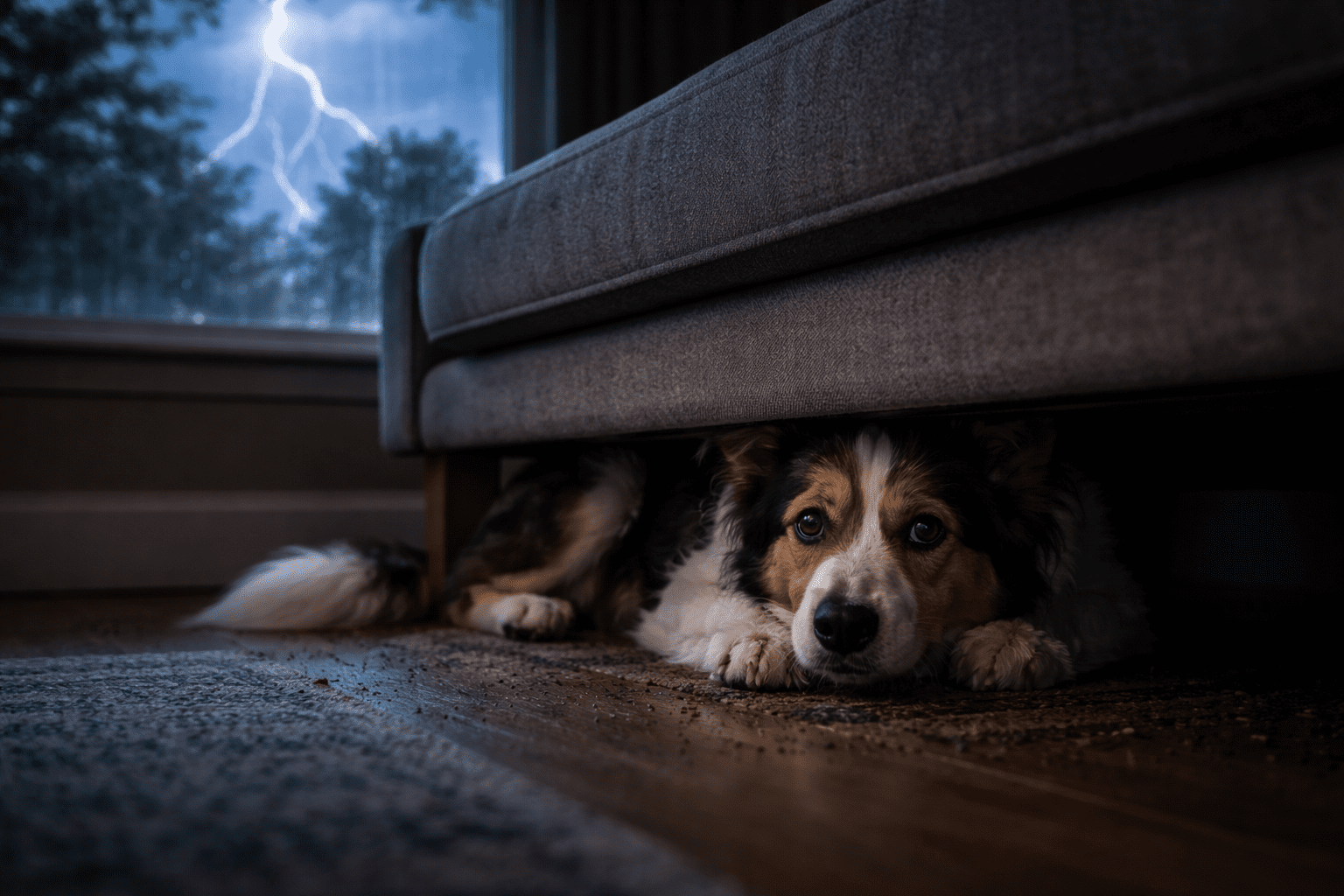
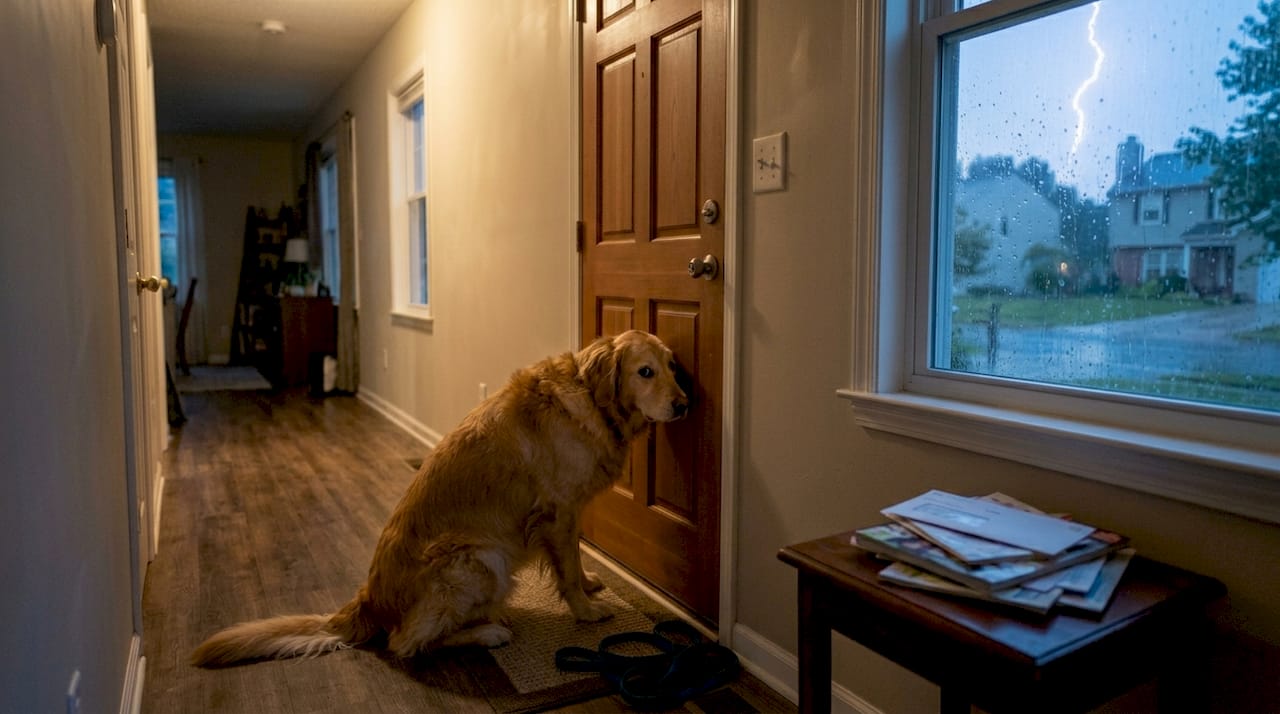
Dog behavior during thunderstorm events typically manifests as a combination of acute fear, physiological arousal, and compulsive coping mechanisms. Canines possess sensory capabilities far superior to human perception, allowing them to detect subtle shifts in barometric pressure, ozone smells, and low-frequency vibrations long before the first raindrop falls. When these environmental markers register, the sympathetic nervous system triggers a fight-or-flight response. Common physical signs include excessive panting, trembling, vocalizing, seeking enclosed spaces, or attempting to cling closely to human family members. Recognizing these indicators early allows for proactive management rather than reactive soothing.
The Impact of Severe Stress on Animal Wellness
Prolonged panic during inclement weather can take a toll on both mental stability and physical health, making proactive Dog Health management essential. Chronic exposure to high anxiety raises cortisol levels, which may lead to gastrointestinal upset, exhaustion, and, in severe cases, injury caused by frantic attempts to escape confined rooms or crates. Furthermore, unaddressed sound sensitivities tend to worsen over time, generalizing to other unexpected noises like fireworks or heavy truck engines. Monitoring these responses ensures that mild uneasiness does not escalate into a debilitating phobia.
Animals experiencing noise phobias often display significant elevations in heart rate and stress hormone concentrations during exposure to simulated storm sounds — Applied Animal Behaviour Science
Practical Strategies for Managing Storm Anxiety
Creating a secure environment is paramount when helping animals cope with frightening meteorological events. Establishing a designated safe space, such as an interior windowless room, a cushioned crate left open with familiar bedding, or a quiet bathroom, can significantly muffle the terrifying sounds and flashes of light. Sound-masking techniques, including playing white noise or soothing classical music, help dampen unexpected thunderclaps. Additionally, engaging the animal in gentle play or obedience games can successfully redirect anxious energy into positive reinforcement pathways.
Best Practices and Common Pitfalls to Avoid
Caregivers should maintain a calm, neutral demeanor during severe weather, as animals frequently mirror human emotional states. Over-coddling or frantically comforting a terrified animal can inadvertently reinforce the idea that something catastrophic is happening, intensifying the fear response. Conversely, punishing reactive behaviors such as whining or trembling only adds confusion and distress. Instead, provide a reassuring, steady presence while allowing the animal to choose where to hide. Utilizing proper Dog Training foundations through desensitization protocols during calm weather builds long-term resilience against sudden loud triggers.
Gradual exposure to recorded storm sounds at low volumes, paired with high-value treats, effectively reduces systematic fear responses over multiple structured sessions — Journal of Veterinary Behavior
Pet Care & Wellness Overview Table
| Life Stage | Daily Activity Level | Key Nutrition / Care Focus |
|---|---|---|
| Puppy / Kitten | High (frequent short bursts) | High-protein growth diet & early socialization |
| Adult Companion | Moderate (30–60 mins daily) | Balanced maintenance nutrition & dental hygiene |
| Senior Pets | Low to Gentle (mindful walks) | Joint support (Glucosamine) & routine vet checks |
Images References






Individual Factors Influencing Weather Sensitivity
Vulnerability to weather-related distress varies widely depending on an individual animal’s life history, early socialization, and genetic predispositions. While proper Dog Breeds socialization during puppyhood helps build confidence against novel stimuli, adult rescues may carry past negative associations with harsh weather. Senior canines experiencing cognitive decline or sensory loss may also exhibit heightened confusion and disorientation during atmospheric shifts, requiring tailored environmental adaptations to maintain comfort and security.
When to Seek Professional Guidance for Severe Phobias
Persistent, extreme panic that fails to respond to environmental management warrants consultation with a qualified professional. If an animal injures themselves, damages household structures in panic, or experiences prolonged distress lasting hours after a storm passes, reaching out to a veterinarian or a certified veterinary behaviorist is crucial. Medical interventions, anti-anxiety medications, or specialized behavioral modification plans may be necessary to safeguard the animal’s quality of life during severe weather seasons.
Supporting Your Companion Through Every Season
Helping a companion navigate frightening weather requires dedication, empathy, and consistent preparation. By observing subtle behavioral shifts and applying appropriate management techniques, households can create a safe environment for their furry family members. Explore further resources on Dog Care and Dog Behavior to ensure a happy, well-adjusted companion year-round. Visit PetsAnimalsWorld.com for expert guidance on all aspects of pet wellness.




