

Understanding the Importance of Behavior Assessment
Dog behavior evaluation serves as a vital tool for owners seeking to understand the underlying motivations and emotional states of their canine companions. By systematically observing how a dog reacts to various stimuli—such as new environments, strangers, or other animals—owners gain a clearer picture of their pet’s personality, comfort levels, and potential stressors. According to the American Society for the Prevention of Cruelty to Animals (ASPCA), understanding a dog’s behavioral history and current temperament is essential for fostering a safe and enriching relationship between the animal and the household. This process is not merely about identifying obedience; it is about recognizing the nuances of communication, such as body language, vocalizations, and displacement behaviors, which provide insight into how a dog perceives the world.
💡 Pet Care Key Takeaways:
- Core Focus: Practical health, nutrition, and wellness guidelines for Dog Behavior Evaluation.
- Target Scope: Pet owners, animal caregivers, and veterinary support staff.
- Best Recommendation: Maintain consistent daily routines and consult an accredited veterinarian before introducing major diet or medical changes.
Defining the Scope of Behavioral Evaluation
Behavior evaluation involves a structured approach to assessing a dog’s responses to specific triggers in a controlled manner. It is a diagnostic lens used to distinguish between normal species-typical behaviors and those that may indicate underlying anxiety, fear, or frustration. Rather than labeling a dog as “good” or “bad,” a professional evaluation seeks to map out the dog’s threshold for different stressors. This might include assessing how a dog handles being touched in sensitive areas, how it reacts to sudden noises, or how it navigates a novel environment. The goal is to establish a baseline of behavior, which allows for more effective Dog Training and management strategies that prioritize the animal’s welfare and psychological stability.
The Link Between Physical Health and Behavioral Responses
Physical well-being is intrinsically linked to how a dog expresses itself, making medical health a primary consideration in any behavioral analysis. Often, what appears to be a sudden change in personality or a new behavioral issue is actually a response to undiagnosed pain, hormonal imbalances, or sensory decline. For instance, a dog that becomes reactive toward others might be experiencing joint discomfort or reduced vision, causing it to feel vulnerable and defensive. Prior to addressing behavioral concerns through Dog Behavior modification, it is standard practice to consult a veterinarian to rule out medical contributors. Ensuring that a dog is physically comfortable is the first step in any comprehensive evaluation, as health issues can significantly lower a dog’s tolerance for stress and change.
Chronic pain is a frequent, yet often overlooked, contributor to sudden changes in canine behavior, including increased irritability or withdrawal. — American Veterinary Medical Association (AVMA)
Practical Approaches to Behavioral Observation
Owners can cultivate a better understanding of their dogs by practicing objective, low-pressure observation in daily life. This involves watching for subtle signs of discomfort, such as whale eye—where the whites of the eyes are visible—lip licking, or a tucked tail, which often precede more overt signals like growling or lunging. When evaluating a dog’s comfort, it is beneficial to provide the animal with the choice to move away from a situation rather than forcing interaction. This “consent-based” approach allows the dog to communicate its boundaries effectively. By respecting these small, early warnings, owners can prevent behavioral escalation and build a foundation of trust, ensuring the dog feels secure and understood within its home environment.
Best Practices and Common Pitfalls
A significant mistake in behavioral evaluation is the misinterpretation of common canine signals as acts of defiance or spite. Dogs operate based on reinforcement and emotional associations rather than complex human social constructs. It is important to avoid using punishment or intimidation, as these methods can exacerbate fear and damage the human-animal bond. Instead, focus on identifying the specific triggers that lead to undesirable behaviors and adjusting the environment to reduce exposure. Consistency is key; however, consistency must be applied through humane, positive reinforcement methods that encourage the dog to make better choices. Documenting patterns—such as the time of day, location, and specific environmental factors present during a behavioral incident—can provide invaluable data for those seeking professional guidance.
Positive reinforcement training, which focuses on rewarding desired behaviors, is widely recognized as the most effective and humane method for canine learning. — American Kennel Club (AKC)
Pet Care & Wellness Overview Table
| Life Stage | Daily Activity Level | Key Nutrition / Care Focus |
|---|---|---|
| Puppy / Kitten | High (frequent short bursts) | High-protein growth diet & early socialization |
| Adult Companion | Moderate (30–60 mins daily) | Balanced maintenance nutrition & dental hygiene |
| Senior Pets | Low to Gentle (mindful walks) | Joint support (Glucosamine) & routine vet checks |
Images References


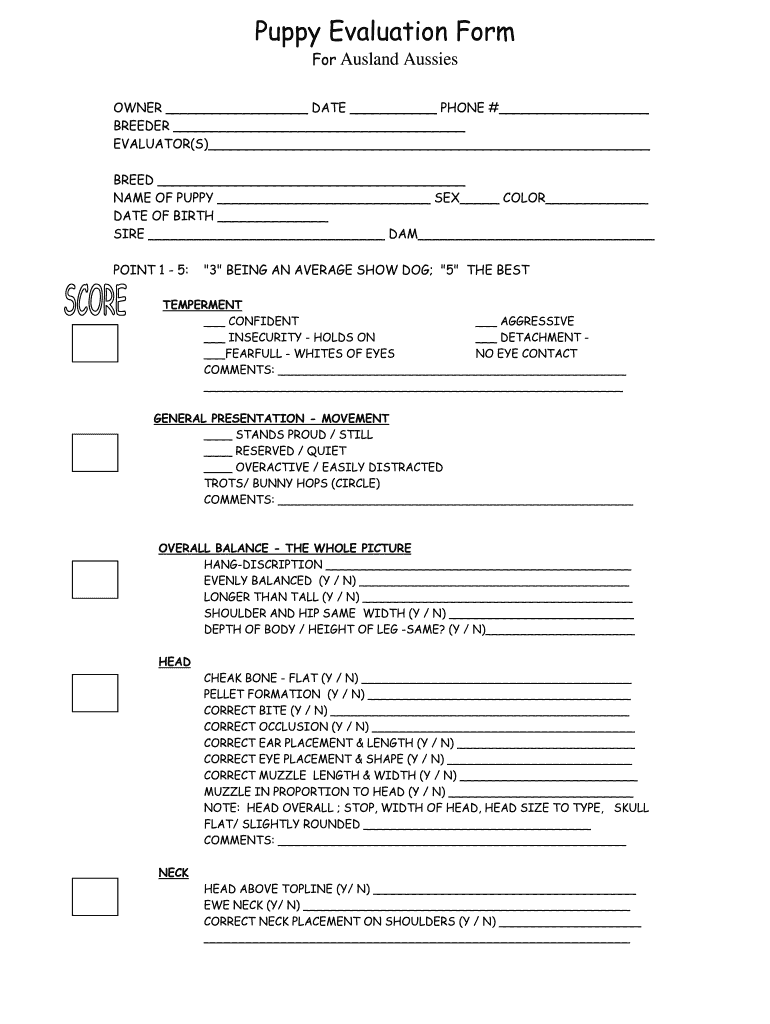


Considering Individual Factors in Evaluation
Every dog is an individual, and factors such as breed history, age, and previous life experiences play a significant role in shaping behavioral tendencies. While certain breeds may possess traits bred for specific tasks, these generalizations should never replace an assessment of the individual dog. A puppy, for example, will require a different evaluation focus than a senior dog, as developmental stages bring unique physiological and psychological needs. Understanding the background of a dog, especially in cases of rescue or adoption, can help set realistic expectations. By acknowledging these inherent factors, owners can tailor their care and Dog Care routines to better suit the specific needs and limitations of their companion.
When to Seek Professional Assistance
Professional intervention is necessary when a dog’s behavior poses a safety risk, significantly impairs its quality of life, or remains resistant to basic management strategies. Persistent aggression, severe separation anxiety, or sudden, unexplainable behavioral changes warrant a consultation with a veterinarian or a certified veterinary behaviorist. These professionals possess the expertise to conduct a formal, in-depth evaluation that considers medical history, environmental stressors, and behavioral patterns. Do not attempt to manage severe behavioral issues in isolation; seeking help from qualified experts ensures that the dog receives a scientifically sound, humane, and individualized plan to address its specific challenges.
Conclusion and Further Resources
Evaluating canine behavior is a continuous process that strengthens the bond between dogs and their owners. By staying observant, prioritizing health, and utilizing humane, evidence-based methods, owners can provide the support their dogs need to thrive. For more insights on maintaining a happy and healthy lifestyle with a canine companion, explore the resources available at PetsAnimalsWorld.com. Whether looking for guidance on Dog Nutrition or general wellness, the platform offers comprehensive information to assist in every stage of pet ownership.




