
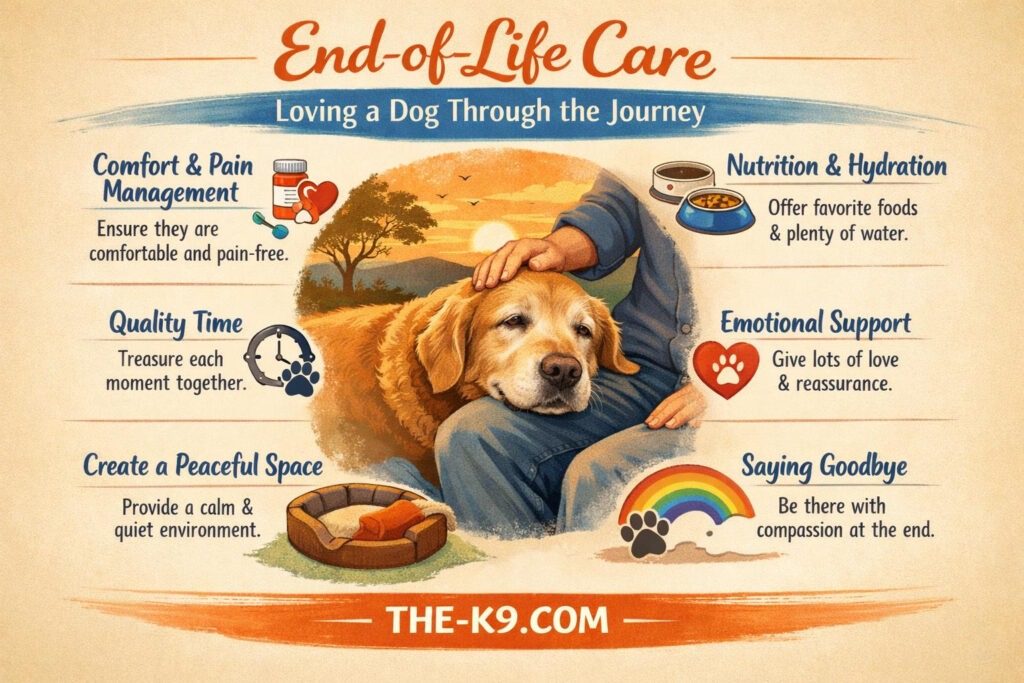
Recognizing the Subtle Shifts in Canine Senior Years
Navigating the final chapter of a companion animal’s life requires deep observation and compassionate understanding. According to the American Veterinary Medical Association, senior and geriatric care involves monitoring gradual shifts in physical comfort and mental sharpness to ensure optimal quality of life. As canine companions enter their twilight years, their routines, responses, and daily interactions undergo profound transformations. Recognizing these shifts allows caregivers to provide appropriate comfort and dignity during a delicate life stage.
💡 Pet Care Key Takeaways:
- Core Focus: Practical health, nutrition, and wellness guidelines for Dog Behavior End Of Life.
- Target Scope: Pet owners, animal caregivers, and veterinary support staff.
- Best Recommendation: Maintain consistent daily routines and consult an accredited veterinarian before introducing major diet or medical changes.
Understanding End-of-Life Behavioral Shifts in Dogs
Dog behavior end of life encompasses a wide range of neurological, sensory, and physical adjustments that alter how an animal interacts with the environment. Cognitive decline, often referred to as canine cognitive dysfunction, can manifest as disorientation, altered sleep cycles, pacing, or uncharacteristic withdrawal from human family members. Physical discomfort, including joint stiffness and chronic pain, frequently drives changes such as increased irritability, reluctance to climb stairs, or altered house-training habits. These shifts are rarely behavioral disobedience; instead, they serve as outward expressions of internal aging processes and sensory loss.
Managing the physical and emotional challenges of an aging dog influences the entire household dynamic, requiring adjustments to daily routines and home environments. Caregivers often notice increased vocalization during nighttime hours, heightened anxiety, or a strong desire for constant physical proximity. Providing proper Dog Care involves modifying living spaces by adding non-slip rugs, gentle ramps, and easily accessible bedding to minimize physical strain. Addressing these needs helps reduce stress for both the animal and the family.
Veterinary guidance on senior wellness emphasizes that behavioral changes in older dogs frequently stem from underlying medical conditions or chronic discomfort rather than simple aging. — American Veterinary Medical Association
Practical Management Strategies for Aging Canines
Supporting an aging dog requires a structured approach centered on predictability, comfort, and gentle environmental adaptation. Maintaining consistent daily schedules for feeding, gentle walks, and medication administration helps reduce anxiety for dogs experiencing sensory decline. Maintaining appropriate Dog Nutrition tailored to senior metabolic needs supports sustained joint mobility and overall vitality without placing undue stress on internal organs. Modifying interaction styles—such as approaching visually or hearing-impaired dogs gently—prevents startle responses and fosters a secure environment.
Best Practices and Common Pitfalls in Senior Care
Creating a peaceful environment means avoiding sudden changes in furniture layout and loud household disturbances that might overwhelm a vulnerable senior dog. A common mistake involves dismissing new accidents indoors or uncharacteristic restlessness as stubbornness, whereas these actions usually signal declining physical control or underlying pain. Implementing supportive measures through structured Dog Training focuses entirely on positive reinforcement and accommodating physical limitations rather than enforcing outdated obedience expectations. Prioritizing patience and gentle communication strengthens the human-animal bond during this tender period.
Canine cognitive dysfunction syndrome affects a significant percentage of senior dogs, presenting with signs like disorientation, altered social interactions, and disrupted sleep patterns. — American Society for the Prevention of Cruelty to Animals
Pet Care & Wellness Overview Table
| Life Stage | Daily Activity Level | Key Nutrition / Care Focus |
|---|---|---|
| Puppy / Kitten | High (frequent short bursts) | High-protein growth diet & early socialization |
| Adult Companion | Moderate (30–60 mins daily) | Balanced maintenance nutrition & dental hygiene |
| Senior Pets | Low to Gentle (mindful walks) | Joint support (Glucosamine) & routine vet checks |
Images References





Breed, Size, and Individual Variations in Aging
The progression toward end-of-life behavior varies significantly depending on a dog’s breed, body size, and genetic background. Larger breeds typically experience senior transitions at an earlier chronological age compared to smaller companion breeds, often showing physical mobility limitations sooner. Individual temperament also plays a vital role; resilient dogs may adapt smoothly to sensory losses, while more sensitive animals might display heightened anxiety when facing diminished vision or hearing. Understanding these unique baselines ensures that care plans remain tailored to the specific animal.
When to Consult a Veterinary Professional
Consulting a licensed veterinarian is essential whenever sudden or drastic behavioral shifts occur, as these may indicate treatable medical conditions or acute pain. Professional medical evaluations help distinguish between normal geriatric aging, cognitive dysfunction, and specific ailments requiring pharmacological or palliative intervention. For persistent anxiety or distress, caregivers should seek guidance from qualified professionals specializing in Dog Behavior to implement humane, fear-free support strategies. Expert oversight ensures that every decision prioritizes the comfort, safety, and dignity of the aging companion.
Supporting Senior Companions with Compassion
Supporting a dog through the final stages of life demands immense dedication, patience, and empathetic observation from every member of the household. By understanding the physiological and psychological dimensions of aging, caregivers can offer a comforting, secure environment tailored to their pet’s evolving needs. Exploring additional resources available through PetsAnimalsWorld.com provides further insights into comprehensive pet wellness, ensuring every dog enjoys comfort and dignity throughout life. Visit Dog Health to learn more about maintaining optimal well-being across all life stages.




