
Understanding the connection between canine temperament and physical maintenance
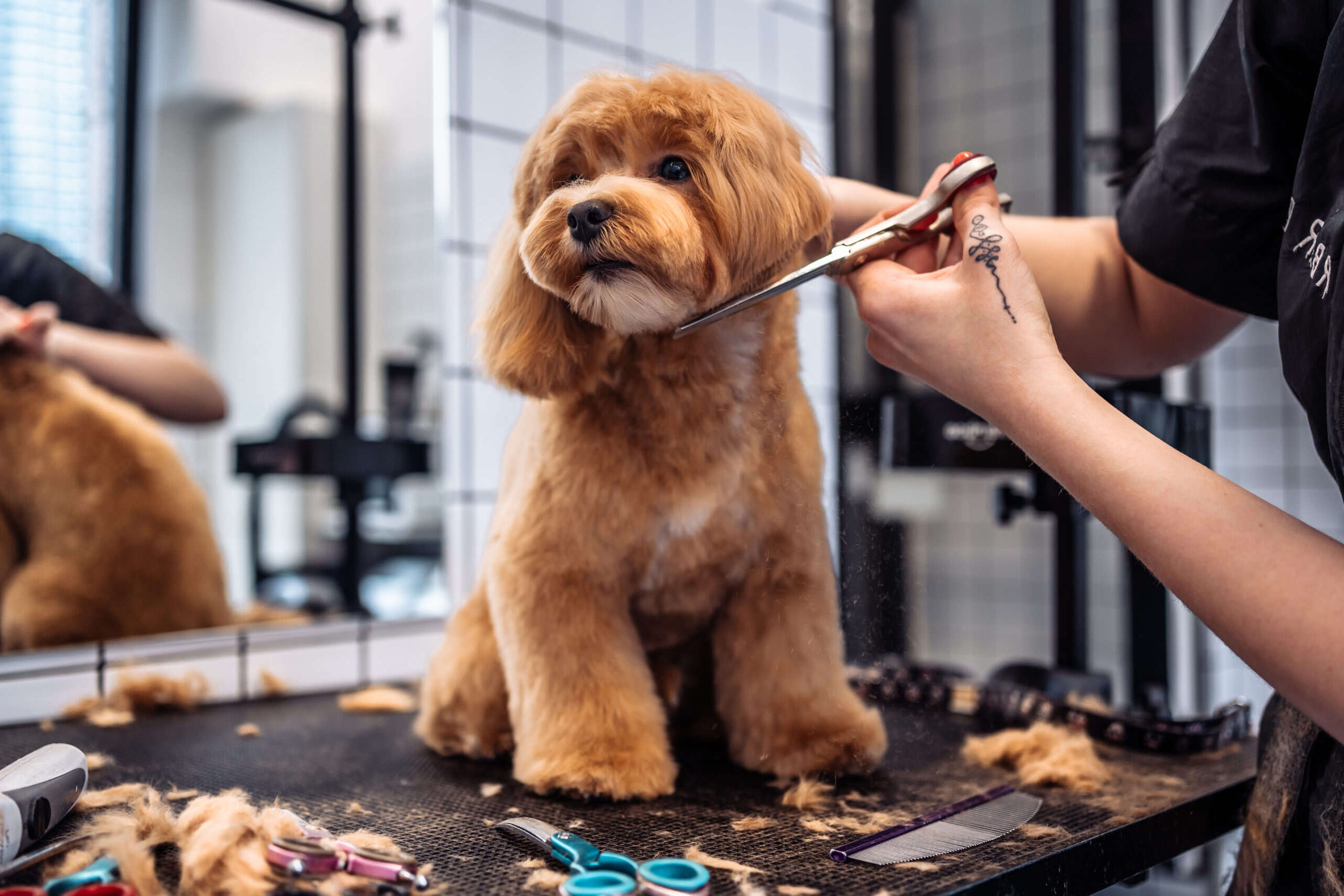
Dog behavior grooming represents an essential intersection of physical care and psychological well-being for domestic canines. According to the American Society for the Prevention of Cruelty to Animals (ASPCA), regular handling and maintenance routines are vital components of responsible companion animal stewardship that directly influence overall health and stress levels. Many caretakers view physical maintenance merely as a cosmetic necessity, yet the psychological implications of brushing, bathing, and nail trimming run much deeper. When a canine companion displays reluctance or fear during routine maintenance, the reaction stems from a mix of sensory sensitivities, past experiences, and evolutionary instincts. Understanding how emotional states affect physical upkeep allows handlers to transform a stressful chore into a peaceful, bonding experience.
💡 Pet Care Key Takeaways:
- Core Focus: Practical health, nutrition, and wellness guidelines for Dog Behavior Grooming.
- Target Scope: Pet owners, animal caregivers, and veterinary support staff.
- Best Recommendation: Maintain consistent daily routines and consult an accredited veterinarian before introducing major diet or medical changes.
Defining the overlap of psychology and physical maintenance
Dog behavior grooming involves observing, interpreting, and gently shaping a canine’s emotional and physical responses during essential hygiene practices. This specialized concept bridges standard husbandry with applied behavior analysis, recognizing that tools like clippers, brushes, and dryers can trigger stress responses if introduced improperly. Sensory overload often occurs because the skin of a domestic dog is densely packed with nerve receptors, making vibrations and unusual sounds intensely noticeable. Recognizing subtle stress signals—such as lip-licking, yawning, or turning the head away—helps handlers pause before mild discomfort escalates into defensive reactivity. By focusing on low-stress handling techniques, caretakers prioritize psychological comfort alongside cleanliness. For more related activities, check out our Dog Unpredictable Behavior.
The profound impact of physical maintenance routines on emotional health
The way hygiene sessions are conducted can either build trust or create chronic anxiety in a companion animal. Positive associations formed during early life stages often translate into resilient adult dogs who willingly cooperate with routine upkeep, whereas forced restraint can cement lifelong aversions. Furthermore, regular physical examination through brushing provides an opportunity to detect early signs of dermatological issues, parasites, or unusual lumps beneath the coat. Maintaining skin and coat health prevents matting, which can pull tightly on the skin and cause constant physical irritation that alters everyday temperament and activity levels.
Routine handling and positive reinforcement during physical upkeep significantly reduce cortisol levels in domestic canines compared to forced restraint protocols. — American Veterinary Medical Association
Implementing positive reinforcement strategies for cooperative care
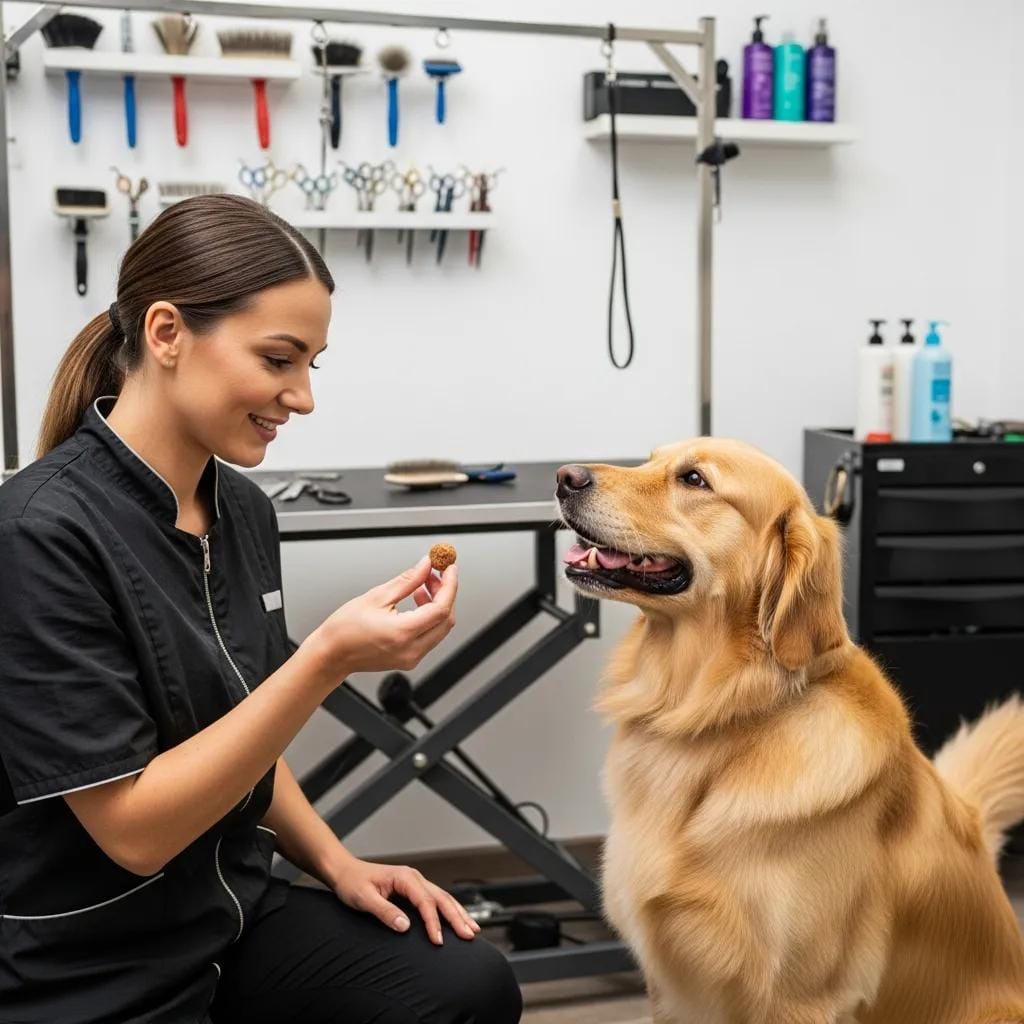
Cooperative care principles transform traditional hygiene practices by empowering the animal to participate willingly through conditioned assent and choice. Handlers can introduce grooming tools gradually using systematic desensitization, a behavioral process where a stimulus is presented at a low intensity alongside high-value rewards until the fear response diminishes. For instance, simply showing a brush and offering a treat without touching the fur helps build a positive mental association. Sessions should remain short, ending on a successful note well before fatigue or frustration sets in. Rewarding calm stillness encourages the desired demeanor without relying on intimidation or physical coercion.
Best practices and common missteps during hygiene routines
Successful physical maintenance relies heavily on timing, environmental control, and patience rather than brute force. One common mistake involves rushing through sensitive areas like paws, ears, and underarms, which naturally prompt a defensive reaction due to high vulnerability. Handlers should always inspect tools beforehand to ensure electric clippers are not excessively hot or loud, as minor discomfort can quickly ruin weeks of training progress. Creating a calm environment free from sudden loud noises or distractions helps keep the animal’s nervous system regulated. Consistency in scheduling also builds predictability, allowing the dog to anticipate the routine with confidence rather than suspicion.
Gradual exposure to grooming implements combined with high-value food rewards helps prevent the development of defensive aggression during essential physical care. — American Kennel Club
Pet Care & Wellness Overview Table
| Life Stage | Daily Activity Level | Key Nutrition / Care Focus |
|---|---|---|
| Puppy / Kitten | High (frequent short bursts) | High-protein growth diet & early socialization |
| Adult Companion | Moderate (30–60 mins daily) | Balanced maintenance nutrition & dental hygiene |
| Senior Pets | Low to Gentle (mindful walks) | Joint support (Glucosamine) & routine vet checks |
Images References







Tailoring maintenance approaches to diverse breeds, ages, and temperaments
Individual differences in coat type, sensitivity levels, and life stages dictate distinct approaches to daily husbandry and behavior management. Double-coated breeds require specific shedding maintenance to prevent trapped undercoats that can alter thermoregulation, whereas sensitive hairless varieties need gentle skin hydration routines. Senior canines frequently experience joint stiffness or cognitive changes that make prolonged standing or unfamiliar sensations particularly uncomfortable, requiring shorter, more frequent sessions or supportive cushioning. Tailoring the pace and environment to match individual physical capacities ensures that maintenance remains a safe, comfortable experience across every stage of life.
When to consult a qualified veterinary professional or certified behaviorist
Severe resistance, persistent panic, or defensive snapping during routine hygiene requires professional guidance from qualified veterinary or behavioral experts. If an animal exhibits intense fear or aggression that compromises safety, caretakers should immediately halt the routine and seek an assessment from a certified professional specializing in low-stress handling. Underlying medical conditions, such as acute ear infections, hidden dental pain, or joint inflammation, frequently cause sudden behavioral changes during handling that mimic temperament issues. A comprehensive physical examination by a veterinarian ensures that pain is ruled out or treated before any behavior modification program begins.
Nurturing long-term well-being through mindful daily habits
Developing a harmonious relationship around physical upkeep requires patience, observation, and a commitment to humane, fear-free practices that honor canine communication signals. By integrating these thoughtful strategies, caretakers protect both the physical health and emotional stability of their animal companions for years to come. Explore more helpful resources across Dog Behavior, Dog Care, and Dog Training to support your journey. Visit PetsAnimalsWorld.com to discover additional insights on keeping your animal companions healthy, happy, and thriving.




