
Understanding the Role of Dog Behavior Medication in Modern Pet Wellness
Addressing severe canine behavioral concerns often requires a multifaceted approach that extends beyond traditional obedience training. According to the American Society for the Prevention of Cruelty to Animals (ASPCA), behavioral problems represent a leading reason for relinquishment, highlighting the critical need for comprehensive management strategies that include environmental modification, positive reinforcement, and sometimes pharmacological support. When emotional distress, panic, or impulse-control deficits severely diminish a canine’s quality of life, veterinary medicine can provide valuable tools to help restore internal stability. Exploring Dog Health solutions involves recognizing that mental well-being is just as vital as physical fitness for overall longevity and happiness.
💡 Pet Care Key Takeaways:
- Core Focus: Practical health, nutrition, and wellness guidelines for Dog Behavior Medication.
- Target Scope: Pet owners, animal caregivers, and veterinary support staff.
- Best Recommendation: Maintain consistent daily routines and consult an accredited veterinarian before introducing major diet or medical changes.
Defining Dog Behavior Medication and Its Core Purpose
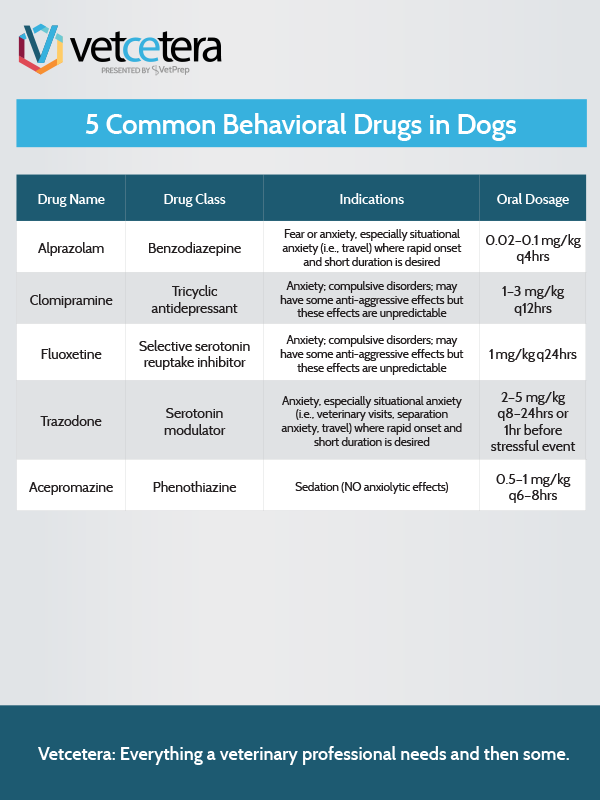
Dog behavior medication refers to pharmaceutical agents prescribed by licensed veterinarians to alter neurochemistry and help manage emotional disorders such as generalized anxiety, separation distress, noise phobias, and compulsive disorders. These pharmaceuticals—which often include selective serotonin reuptake inhibitors (SSRIs) and tricyclic antidepressants—do not act as a quick fix or a substitute for proper socialization and guidance. Instead, psychotherapeutic agents work by modulating neurotransmitters like serotonin and norepinephrine in the brain, thereby lowering baseline arousal and creating a physiological window of opportunity where learning and behavioral modification can finally take root. Dogs experiencing chronic fear operate in a constant state of survival mode, rendering learning nearly impossible until physiological stress responses are properly managed.
The Impact of Pharmacotherapy on Canine Emotional and Physical Health
Implementing targeted pharmacotherapy can dramatically reduce the profound physiological toll that chronic stress places on canine organ systems. Prolonged elevation of stress hormones like cortisol compromises immune function, damages cardiovascular integrity, and exacerbates gastrointestinal sensitivities. By buffering the nervous system against extreme panic, medication helps protect the animal from the debilitating effects of sustained hypervigilance. Exploring broader Dog Behavior patterns reveals that many destructive or reactive displays stem from underlying emotional suffering rather than simple disobedience. Integrating medical support allows many troubled canines to experience a calmer daily existence, paving the way for lasting psychological healing.
Behavioral issues, including anxiety and fear-based responses, are among the most common challenges reported by pet owners and frequently require a combination of environmental management, behavioral modification, and veterinary guidance. — American Veterinary Medical Association
Integrating Pharmacotherapy with Humane Training and Management
Successful integration of pharmaceuticals requires a structured routine that pairs medical support with evidence-based, low-stress behavior modification. Environmental enrichment, predictable daily schedules, and desensitization protocols are essential components of any comprehensive care plan. Rewarding calm demeanor and systematically altering emotional associations with known triggers helps reshape neural pathways over time. Caregivers must understand that pharmaceutical interventions usually require several weeks of consistent administration before steady-state therapeutic blood levels are reached and noticeable behavioral improvements manifest.
Best Practices and Common Pitfalls in Canine Psychopharmacology
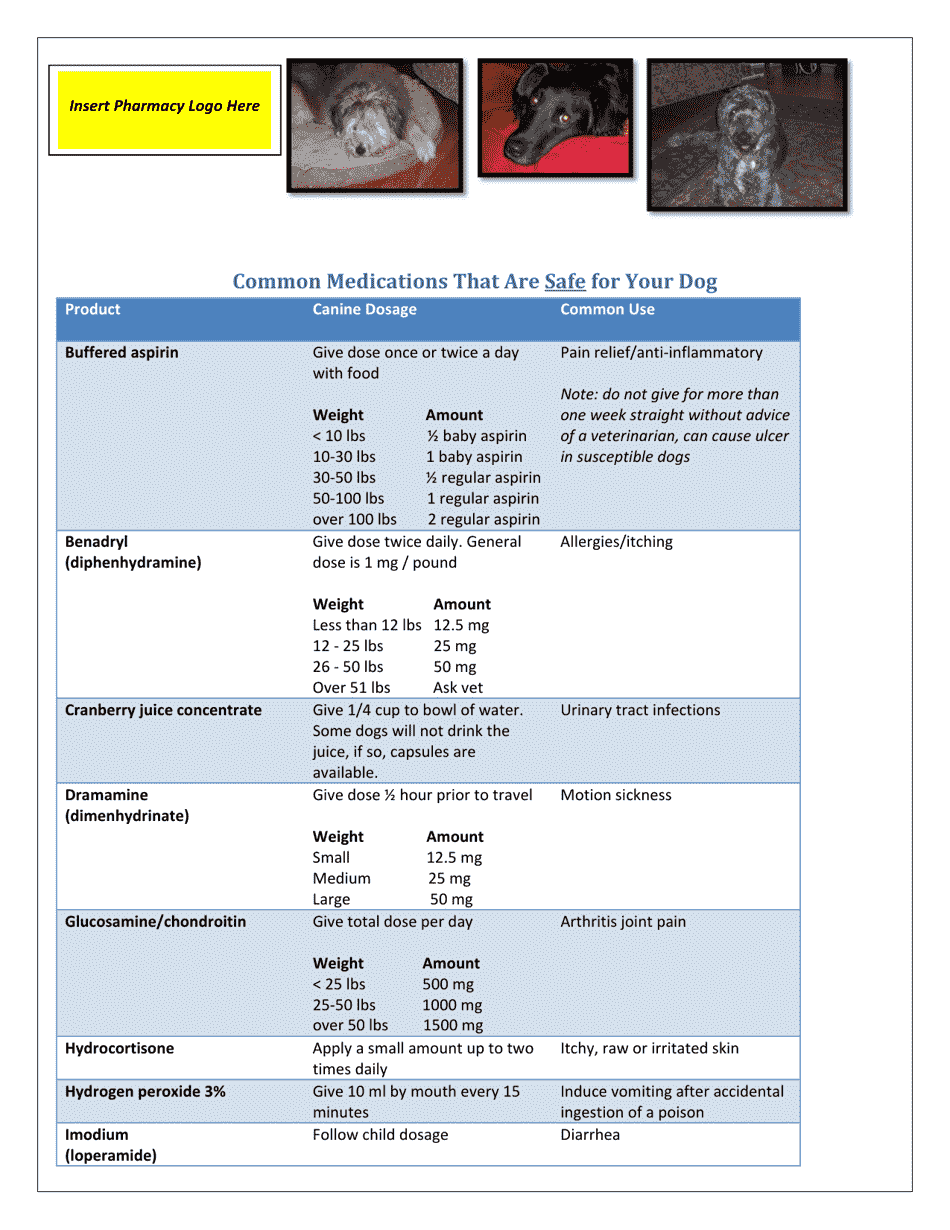
Navigating the world of animal psychopharmacology demands patience, careful observation, and strict adherence to professional guidance. A frequent mistake involves discontinuing medication abruptly simply because the animal appears improved, which can trigger withdrawal effects or a sudden resurgence of severe anxiety. Regular monitoring appointments with a veterinary professional ensure that dosages remain appropriate as the animal ages, gains or loses weight, or responds to ongoing behavioral training. Furthermore, owners must never administer human psychiatric medications, as dosages and chemical formulations can be extremely toxic or fatal to canines.
Veterinary oversight is essential for any psychotherapeutic protocol, as improper medication selection or abrupt discontinuation can lead to adverse physiological reactions and worsened behavioral distress. — American Animal Hospital Association
Pet Care & Wellness Overview Table
| Life Stage | Daily Activity Level | Key Nutrition / Care Focus |
|---|---|---|
| Puppy / Kitten | High (frequent short bursts) | High-protein growth diet & early socialization |
| Adult Companion | Moderate (30–60 mins daily) | Balanced maintenance nutrition & dental hygiene |
| Senior Pets | Low to Gentle (mindful walks) | Joint support (Glucosamine) & routine vet checks |
Images References





Breed, Age, and Temperament Considerations in Treatment Planning
Individual physiological differences across breeds, ages, and temperaments dictate how a specific animal will metabolize and respond to psychotropic substances. Working group breeds, toy companions, and senior dogs all process active ingredients at varying rates based on metabolic profile, liver function, and genetic predispositions. Younger dogs undergoing rapid developmental phases may require different management strategies compared to geriatric pets experiencing age-related cognitive decline. Tailoring any wellness plan through Dog Care frameworks ensures that each unique individual receives precise, safe, and age-appropriate monitoring.
When to Consult a Veterinarian or Certified Behavior Professional
Professional guidance is indispensable whenever a dog exhibits persistent fear, severe aggression, self-injurious habits, or distress that compromises daily functioning. General practitioners can perform thorough physical examinations to rule out underlying medical conditions or painful ailments that frequently mimic or exacerbate behavioral disorders. For complex or entrenched behavioral pathologies, referral to a board-certified veterinary behaviorist or a qualified, certified professional dog trainer ensures a safe, humane, and scientifically sound intervention strategy. Consulting experts early prevents escalation and protects the human-animal bond.
Closing Insights on Canine Mental Wellness
Supporting a companion through emotional challenges requires deep empathy, dedication, and professional collaboration between veterinary experts and devoted owners. By treating behavioral health with the same seriousness as physical ailments, households can foster environments where animals feel genuinely secure and understood. Exploring additional resources on PetsAnimalsWorld.com provides further insights into specialized Dog Training methodologies and comprehensive wellness strategies designed to help every canine companion thrive.




