

Understanding the Foundation of Dog Behavior Modification Training
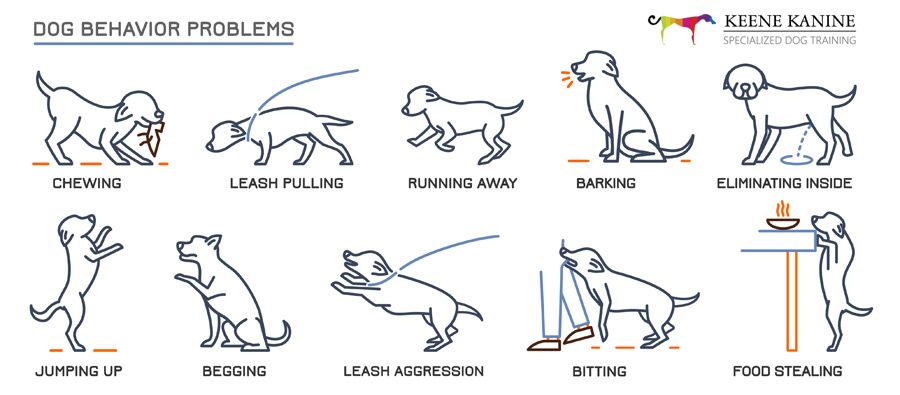
Addressing complex behavioral challenges in domestic canines requires a structured, evidence-informed approach that focuses on changing underlying emotional responses rather than merely suppressing unwanted actions. According to the American Society for the Prevention of Cruelty to Animals (ASPCA), successful behavioral interventions rely heavily on identifying the root emotional triggers—such as fear, frustration, or territorial instincts—that drive a canine to react in specific ways. Rather than viewing disruptive habits like reactivity, excessive vocalization, or resource guarding as acts of defiance, modern behavioral science interprets these responses as outward symptoms of underlying stress or miscommunication between the animal and the human environment. Explore more in our Dog Behavior collection.
💡 Pet Care Key Takeaways:
- Core Focus: Practical health, nutrition, and wellness guidelines for Dog Behavior Modification Training.
- Target Scope: Pet owners, animal caregivers, and veterinary support staff.
- Best Recommendation: Maintain consistent daily routines and consult an accredited veterinarian before introducing major diet or medical changes.
Defining Behavior Modification in Canine Care
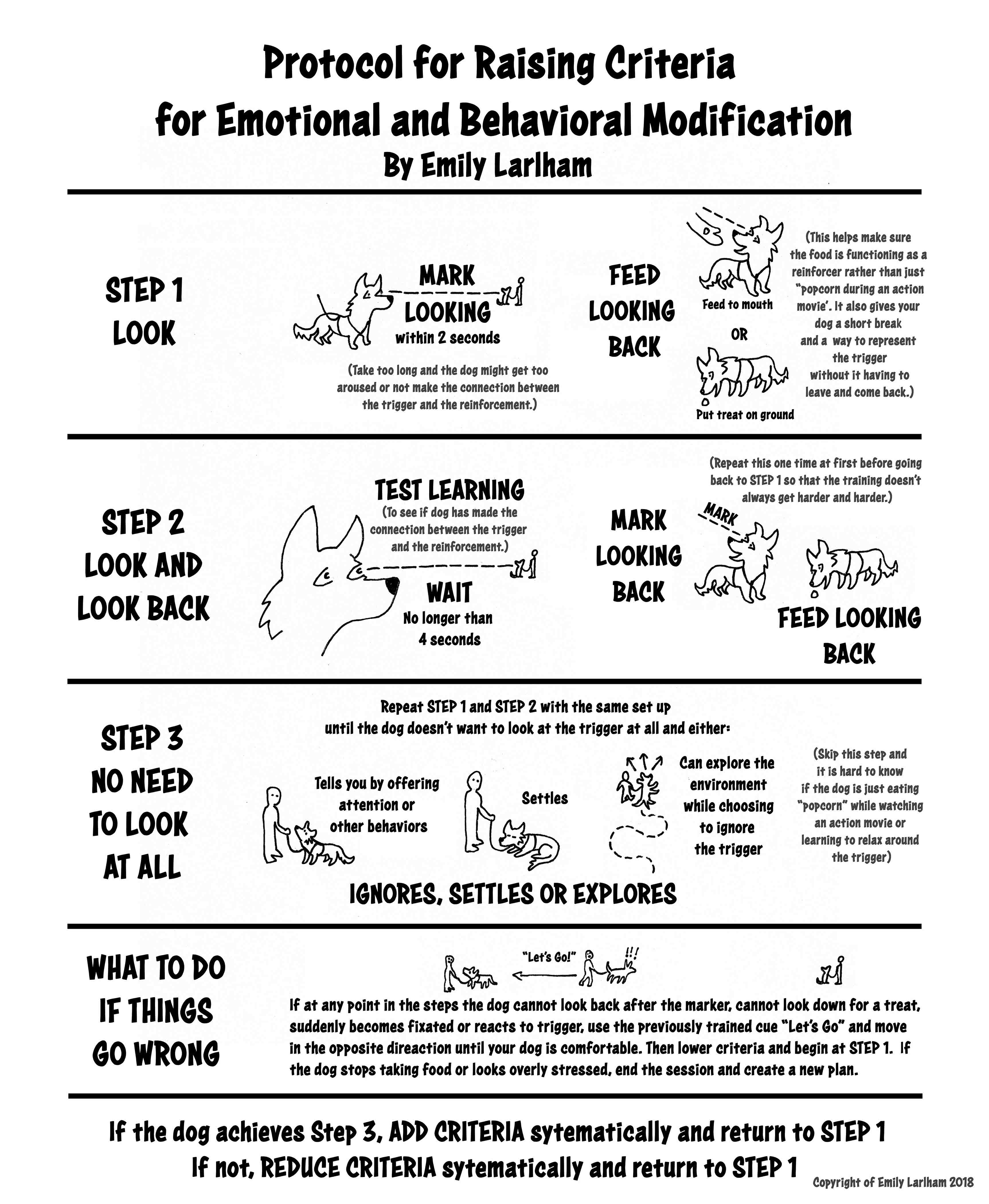
Dog behavior modification training is a specialized process that restructures how a canine perceives and reacts to environmental triggers through systematic exposure and positive reinforcement. Unlike standard obedience training, which teaches basic cues like sit, stay, and come, modification protocols focus on altering emotional states through techniques such as desensitization—gradually exposing an animal to a low-intensity trigger until indifference is achieved—and counter-conditioning, which pairs that same trigger with a highly desirable reward to change an adverse reaction into a positive or neutral one. These methodologies emphasize humane, reward-based learning, deliberately avoiding punitive or dominance-based tactics that can heighten anxiety and escalate defensive reactivity. For more related activities, check out our Dog Uti Behavior Change.
The Impact of Behavioral Health on Overall Well-Being
Unresolved behavioral issues can profoundly diminish a canine’s quality of life by maintaining a state of chronic physiological arousal and elevating stress hormone levels over prolonged periods. When a dog remains in a constant state of hyper-vigilance, physical health, immune function, and emotional resilience can all suffer secondary declines. Implementing humane modification protocols restores a sense of predictability and safety, allowing the animal to navigate daily routines with reduced anxiety and greater confidence.
Chronic behavioral distress and untreated anxiety can negatively impact physiological health by sustaining elevated cortisol levels in domestic canines — American Veterinary Medical Association (AVMA)
Implementing Effective Modification Protocols
Successfully executing behavior modification protocols requires meticulous management of the home and outdoor environment to prevent accidental rehearsal of undesirable habits while new neural pathways are formed. Management serves as a temporary bridge, utilizing baby gates, crate training, leash controls, and opaque window films to limit exposure to known triggers while structured learning sessions take place. Consistency across all household members is essential, ensuring that every interaction reinforces the desired calm responses and maintains clear, predictable boundaries without generating confusion.
Best Practices and Common Pitfalls to Avoid
Progress in behavioral rehabilitation is rarely linear, and recognizing setbacks as a normal part of the learning curve prevents frustration from derailing long-term goals. A common misstep involves flooding the animal—forcing continuous exposure to an overwhelming trigger past the threshold of tolerance—which typically worsens fear responses and erodes trust. Keeping training sessions short, keeping triggers at a comfortable distance, and always ending on a successful note promotes steady, lasting cognitive adjustment.
Systematic desensitization combined with positive reinforcement is widely recognized as the most effective and humane framework for addressing canine fear and reactivity — American Kennel Club (AKC)
Pet Care & Wellness Overview Table
| Life Stage | Daily Activity Level | Key Nutrition / Care Focus |
|---|---|---|
| Puppy / Kitten | High (frequent short bursts) | High-protein growth diet & early socialization |
| Adult Companion | Moderate (30–60 mins daily) | Balanced maintenance nutrition & dental hygiene |
| Senior Pets | Low to Gentle (mindful walks) | Joint support (Glucosamine) & routine vet checks |
Images References



Breed, Age, and Temperament Considerations
Individual differences in genetics, developmental stage, and individual temperament significantly influence how a canine responds to behavioral intervention programs. Herding breeds, guardian types, and hounds possess innate behavioral predispositions that may require tailored outlets for energy and instinct, such as scent work or structured puzzle games. Furthermore, senior animals may exhibit sudden behavioral shifts due to age-related cognitive decline or sensory loss, requiring environmental adaptations and veterinary assessments rather than standard obedience drills.
When to Consult a Veterinary Professional or Certified Trainer
Severe behavioral concerns, particularly those involving human-directed aggression, severe separation anxiety, or sudden unexplained personality changes, warrant immediate professional evaluation by a qualified specialist. For suspected poisoning, difficulty breathing, seizures, collapse, severe bleeding, or other potentially urgent medical conditions, immediately seek veterinary care. For persistent behavioral challenges, consulting a veterinary behaviorist or a certified professional dog trainer who utilizes fear-free, humane methodologies ensures an accurate diagnosis and a safe, tailored intervention plan.
Continuing Your Canine Education Journey
Navigating the complexities of canine rehabilitation requires patience, consistency, and access to reliable, evidence-based resources tailored to modern pet ownership. For further guidance on maintaining optimal well-being, explore comprehensive insights available through Dog Training, learn about specific instinctual traits via Dog Breeds, review preventive wellness advice in Dog Health, and discover everyday husbandry tips across Dog Care. Visit PetsAnimalsWorld.com regularly to support your journey as a knowledgeable, compassionate guardian.




