
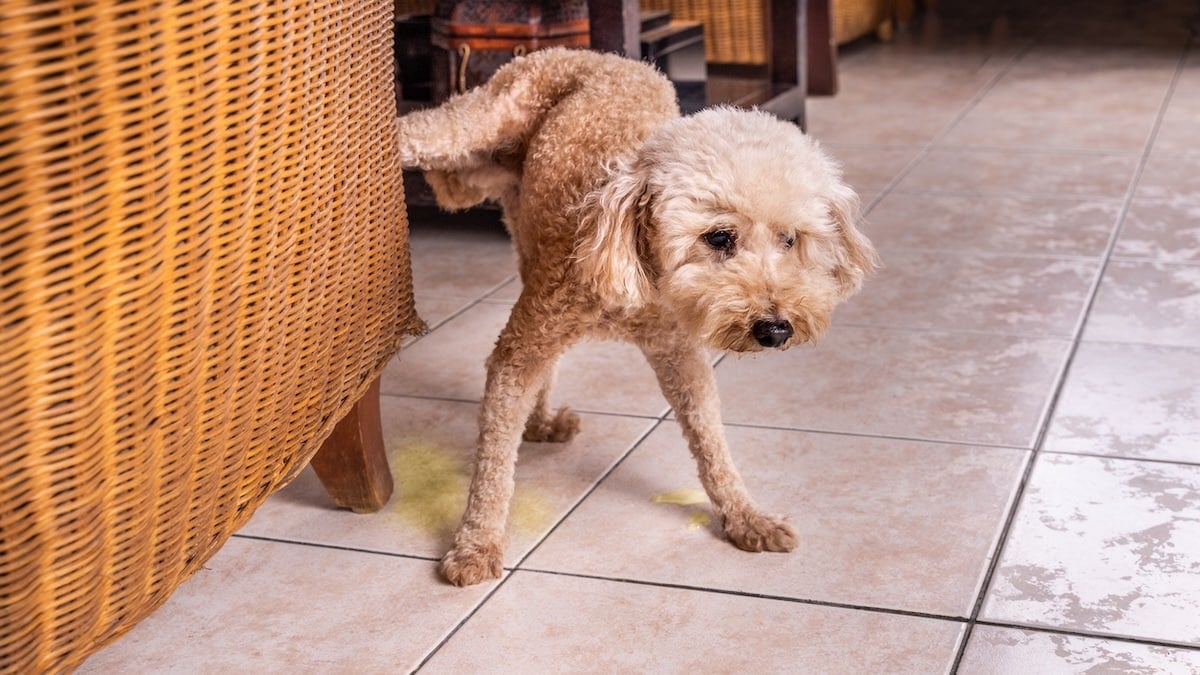
Understanding Unplanned Indoor Elimination in Domestic Dogs
Finding puddles indoors can test the patience of any household, making indoor elimination one of the most common challenges reported by dog owners worldwide. According to the American Society for the Prevention of Cruelty to Animals (ASPCA), house-soiling is a primary reason dogs are relinquished to shelters, highlighting the critical need for early and compassionate intervention. When a house-trained animal suddenly begins eliminating indoors, the situation requires patience, observation, and a structured approach rather than frustration. Addressing this issue successfully depends on identifying the underlying motivation behind the action, whether it stems from a physical ailment, an environmental stressor, or an incomplete housebreaking process. Exploring the root causes allows caretakers to transform frustration into constructive problem-solving, protecting the human-animal bond and fostering a harmonious living environment.
💡 Pet Care Key Takeaways:
- Core Focus: Practical health, nutrition, and wellness guidelines for Dog Behavior Peeing In House.
- Target Scope: Pet owners, animal caregivers, and veterinary support staff.
- Best Recommendation: Maintain consistent daily routines and consult an accredited veterinarian before introducing major diet or medical changes.
Defining Inappropriate Elimination and Its Underlying Meanings
Inappropriate elimination refers to any instance where a dog urinates or defecates inside the home outside of a designated toileting area. To understand why this happens, observers must distinguish between true house-soiling, submissive urination, excitement urination, and urine marking. Urine marking usually involves small amounts deposited on vertical surfaces and is driven by territorial instincts or hormonal changes, whereas complete emptying of the bladder typically points toward housetraining gaps or medical distress. Canine behavior experts note that dogs do not eliminate indoors out of spite or malice; rather, these events serve as a direct communication channel indicating that a physical, emotional, or environmental need is going unmet. Recognizing these distinct behavioral patterns ensures that interventions target the actual trigger rather than just treating the surface symptom.
Evaluating Health, Behavioral, and Environmental Impacts
Unplanned indoor urination frequently serves as a critical red flag for underlying medical conditions that require prompt veterinary investigation. Physiological triggers such as urinary tract infections, bladder stones, kidney disease, and canine cognitive dysfunction can drastically alter a dog’s continence and urgency. When physical illness is ruled out, emotional stressors such as household changes, new schedules, or inter-dog conflict often emerge as the primary catalyst. Left unaddressed, ongoing indoor elimination can damage household items, create persistent odors that encourage repeat incidents, and strain the relationship between the household and the animal. Resolving these challenges requires a comprehensive review of both physical health and daily routines to ensure the animal feels secure and comfortable.
Medical screenings are a necessary first step when addressing sudden indoor elimination, as underlying conditions frequently mimic behavioral house-soiling — American Animal Hospital Association
Practical Strategies for Managing and Retraining Indoor Elimination
Resolving indoor elimination problems relies on a combination of strict supervision, positive reinforcement, and environmental management. Establishing a predictable daily routine for feeding, watering, and outdoor elimination helps regulate the animal’s internal clock and biological needs. When indoor access cannot be directly supervised, confining the dog to an appropriately sized crate or a restricted exercise pen prevents rehearsal of the unwanted habit while keeping the animal safe. Every successful elimination outdoors should be immediately rewarded with high-value treats and praise, reinforcing the desired toileting location. Additionally, thoroughly cleaning previous indoor accidents with enzymatic cleaners removes microscopic uric acid crystals that ordinary household detergents leave behind, effectively eliminating the scent cues that prompt repeat marking.
Best Practices and Common Mistakes to Avoid During Retraining
Successful behavioral modification requires consistency, patience, and the complete avoidance of punitive measures. One of the most frequent mistakes caretakers make is punishing a dog long after an accident occurred, which only teaches the animal to fear human presence rather than connecting the punishment to the act of elimination. Shouting, rubbing a dog’s nose in a mess, or using physical reprimands increases anxiety and frequently worsens indoor elimination habits. Instead, if an accident is interrupted mid-act, calmly and neutrally guiding the dog outside to finish the process allows for a successful completion that can be immediately rewarded. Maintaining a calm, predictable demeanor reassures the animal and keeps stress levels low, creating an optimal environment for positive habit formation. Detailed guidance on handling challenging behavioral shifts can be found through resources dedicated to Dog Behavior.
Positive reinforcement methods build trust and encourage reliable learning outcomes during housetraining compared to aversive techniques that elevate stress — Association of Professional Dog Trainers
Pet Care & Wellness Overview Table
| Life Stage | Daily Activity Level | Key Nutrition / Care Focus |
|---|---|---|
| Puppy / Kitten | High (frequent short bursts) | High-protein growth diet & early socialization |
| Adult Companion | Moderate (30–60 mins daily) | Balanced maintenance nutrition & dental hygiene |
| Senior Pets | Low to Gentle (mindful walks) | Joint support (Glucosamine) & routine vet checks |
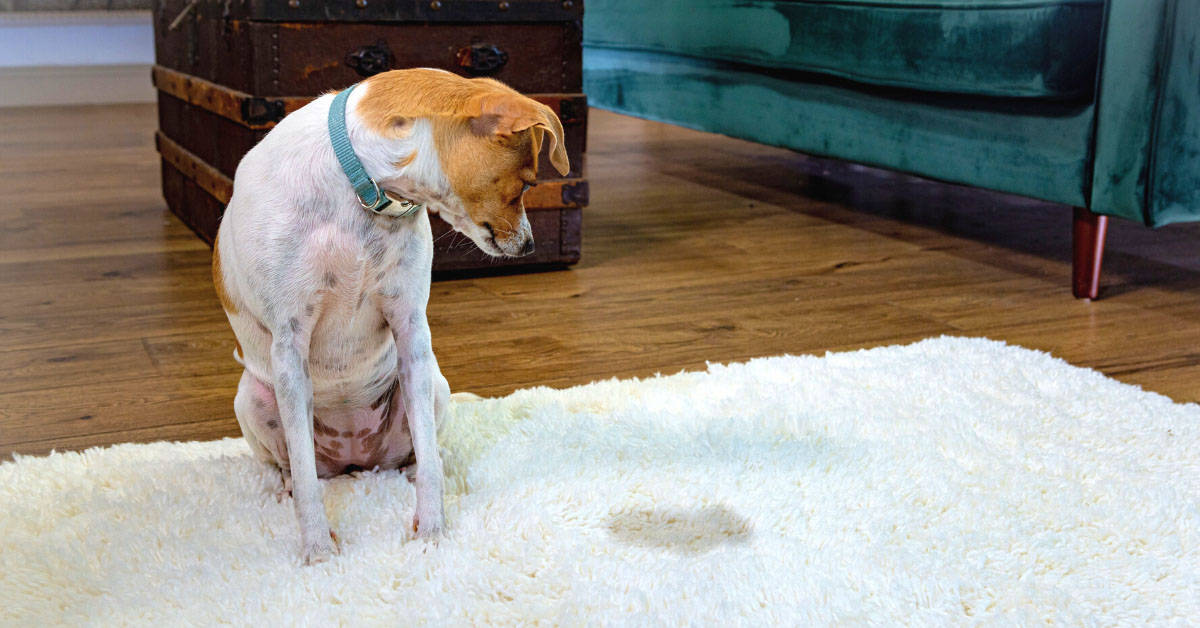
Images References



Breed, Age, Size, and Temperament Considerations
Biological and developmental factors heavily influence a dog’s bladder control, learning speed, and overall house-soiling tendencies. Puppies possess physically immature bladders and limited muscle control, meaning they require frequent outdoor breaks and cannot physiologically hold their waste for extended periods. Conversely, senior dogs may experience age-related cognitive decline or weakening sphincter muscles, necessitating modified management strategies such as more frequent outings or indoor relief options like washable pads. Smaller breeds often feature faster metabolisms and smaller bladders, which can translate to a higher frequency of elimination compared to larger counterparts. Understanding these inherent traits helps tailor expectations and care routines to fit the specific developmental stage of the individual animal, aligning with insights found within resources on Dog Breeds.
When to Consult a Veterinarian or Professional Behaviorist
Professional guidance becomes essential when house-soiling habits persist despite consistent management or when accompanied by other physical and behavioral changes. Any sudden onset of urinary accidents, straining to urinate, blood in the urine, or increased thirst warrants an immediate veterinary examination to check for infections, crystals, or metabolic disorders. If physical health is fully cleared by a veterinarian and the behavior persists, consulting a certified applied animal behaviorist or a veterinary behaviorist is strongly recommended. These qualified professionals can design a specialized, humane behavior modification plan tailored to the household dynamics. For broader wellness practices that support overall comfort and longevity, caretakers can explore resources focused on Dog Health and Dog Care.
Supporting Lifelong Habits Through Structured Care
Resolving indoor elimination challenges is a journey that reinforces the importance of observant, compassionate, and structured animal husbandry. By combining veterinary oversight, positive reinforcement training, and a predictable daily routine, households can successfully guide their companions toward reliable bathroom habits. Every dog benefits from clear communication and a supportive environment that accommodates their physiological and emotional needs throughout every life stage. Maintaining consistency prevents confusion and strengthens the bond shared between humans and their animal companions. To discover more guidance on maintaining a healthy, balanced lifestyle for household animals, visit PetsAnimalsWorld.com for expert articles and advice.




