Introduction
Dog behavior paw not play describes specific canine postural and communicative signals where paw-lifting or paw-striking conveys anxiety, appeasement, or physical discomfort rather than a playful invitation. According to the International Association of Animal Behavior Consultants (IAABC), accurately reading subtle physical signals prevents misinterpretations that escalate stress during daily interactions. Recognizing this distinct physical language ensures that caregivers respond appropriately to emotional needs rather than encouraging unwanted physiological arousal. Mastery of these physical cues forms a vital component of responsible Dog Behavior management in multi-pet and family households.
Pet Wellness & Behavior Snapshot:
- Core Focus: Distinguishing defensive or anxious paw use from social play invitations.
- Target Scope: Canine communication interpretation and veterinary health assessments.
- Key Recommendation: Evaluate environmental context and body stiffness before reacting.
Core Principles and Detailed Overview
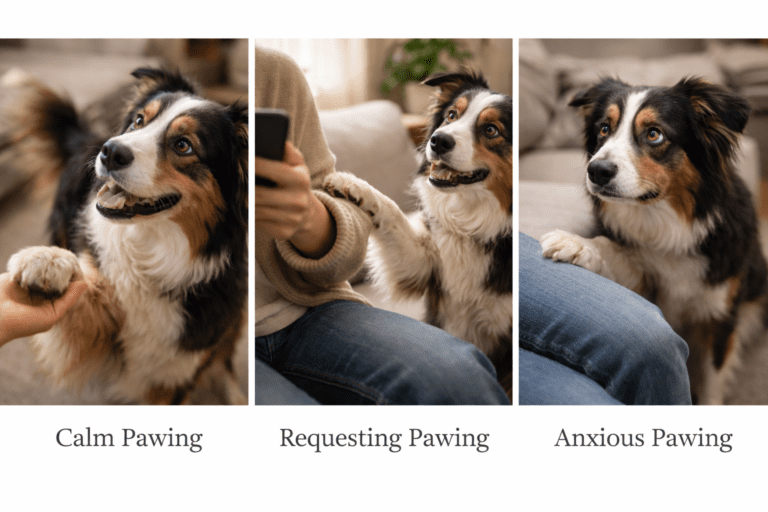
Dog behavior paw not play relies on evaluating the entire musculoskeletal and neurological state of the animal rather than isolating a single limb movement. A true play bow often pairs with loose, bouncy body language, whereas paw lifting driven by stress displays tight facial muscles, pinned ears, and averted gaze. Careful observation of canine physical displays bridges the gap between misunderstood gestures and effective Dog Health interventions. Furthermore, incorporating proper Dog Nutrition supports nervous system stability, reducing hypersensitive responses triggered by dietary imbalances or hidden nutritional deficiencies.
Key Specifications and Breakdown
| Observed Indicator / Factor | Veterinary & Behavioral Explanation | Actionable Management Protocol |
|---|---|---|
| Stiff Paw Lifting | Indicates localized joint pain, early arthritis, or heightened environmental alertness. | Schedule a veterinary orthopedic examination and limit high-impact jumping exercises. |
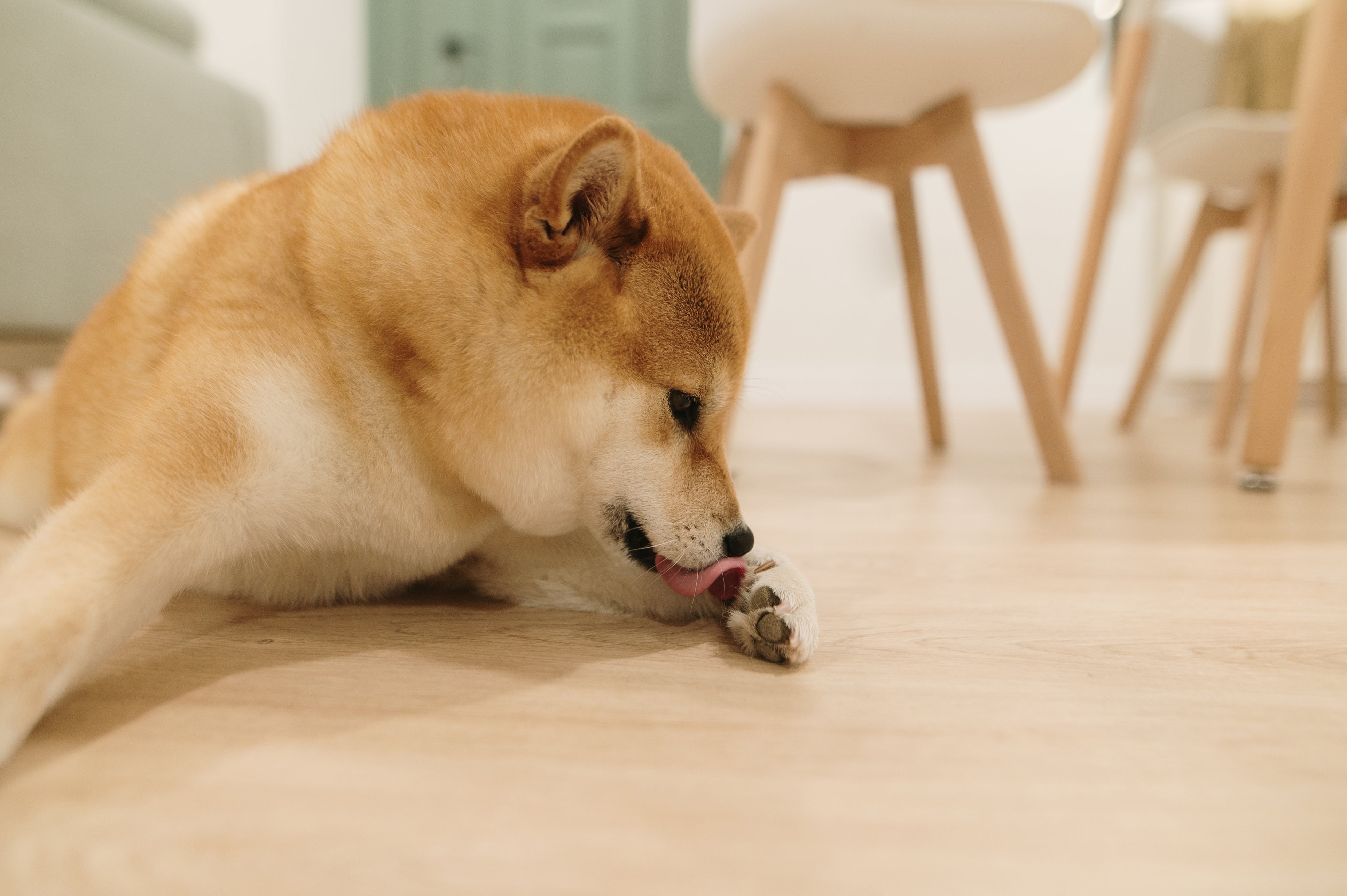
| Repetitive Paw Targeting | Reflects compulsive displacement behavior, obsessive grooming, or tactile hypersensitivity. | Provide cognitive enrichment puzzles and consult certified behaviorists for structured Dog Training plans. |
| Repetitive Paw Swatting | Signals boundary-setting, overstimulation, or demand signaling masking underlying frustration. | Remove triggering stimuli immediately, enforce quiet rest intervals, and avoid reinforcing demands. |
Routine wellness evaluations must include a comprehensive assessment of gait, posture, and environmental stressors to differentiate behavioral anomalies from systemic pain conditions. — American Veterinary Medical Association (AVMA)
Step-by-Step Practical Application and Guidelines
Dog behavior paw not play requires systematic observation, environmental modification, and professional veterinary consultation to ensure lasting behavioral stability. Caregivers must first pause interactions when a paw lift appears stiff or hesitant, avoiding forced physical contact that might trigger defensive reactions. Next, document the exact context, time of day, and preceding events to identify potential stressors affecting Dog Care routines. Adjusting daily schedules to include predictable routines, balanced meals, and mental enrichment ensures that physical signals are met with appropriate physiological support and calm reassurance.
Common Challenges and How to Avoid Them
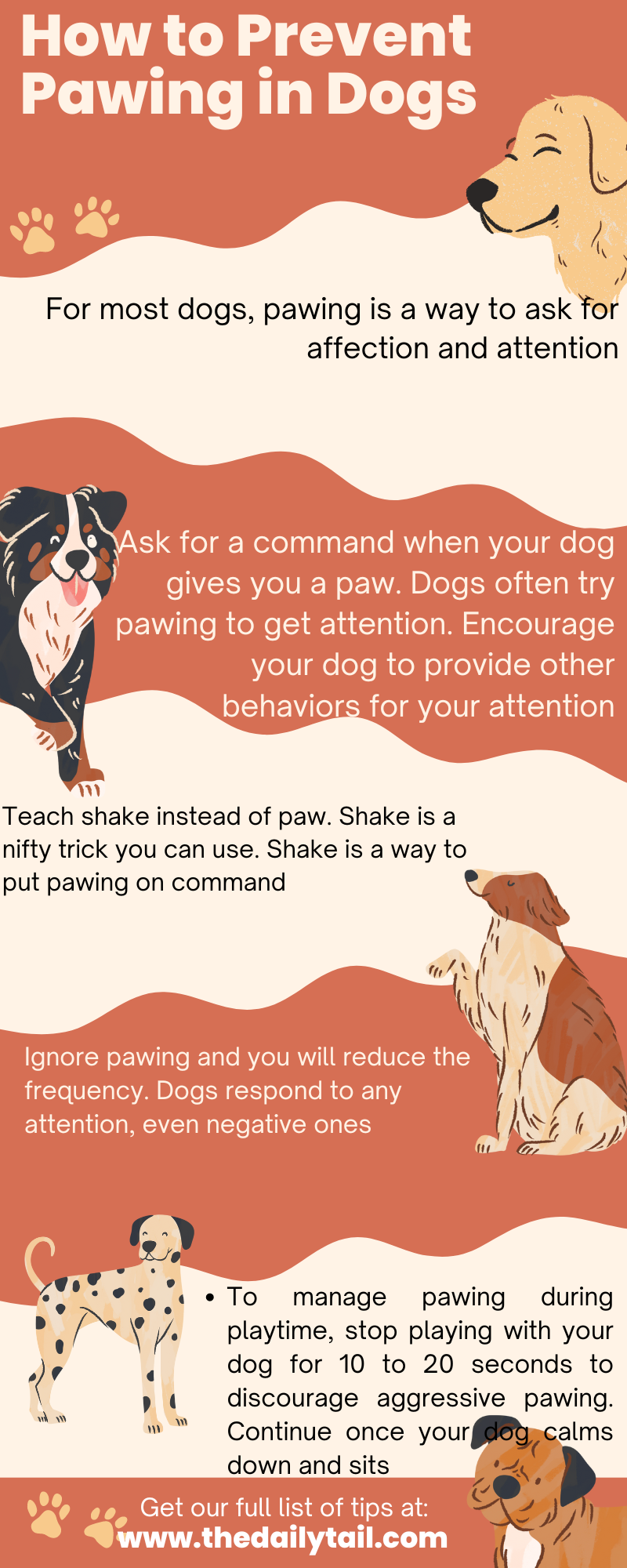
Dog behavior paw not play is frequently misinterpreted when owners mistake appeasement gestures or pain responses for harmless requests for attention. Assuming a stiff, lifted paw indicates excitement often leads to accidental boundary pushing, increasing the risk of defensive snapping. Caregivers should avoid punishing communication signals, as suppression of warning signs escalates behavioral unpredictability. Consulting specialized resources on Dog Breeds helps identify predispositions toward certain postural sensitivities or joint vulnerabilities that manifest through subtle limb positioning.
💬 Frequently Asked Questions
Explore More Pet Care and Animal Health Guides on PetsAnimalsWorld
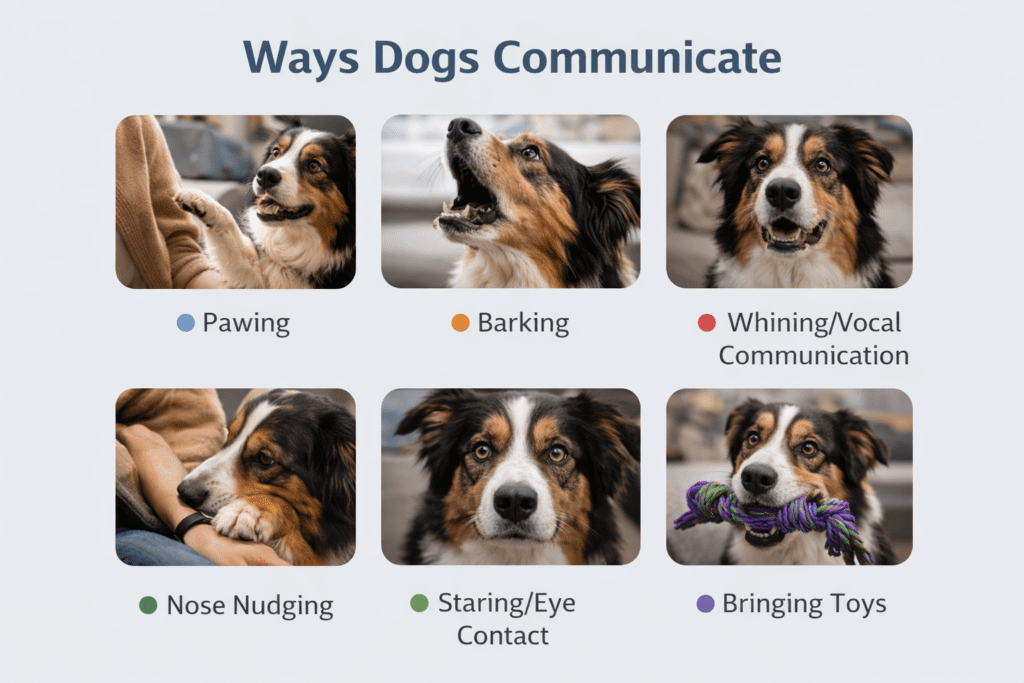
Mastering canine communication and recognizing the true intent behind physical signals ensures a safer, more harmonious coexistence with companion animals. Discover extensive educational resources spanning holistic wellness, behavioral modification, and clinical health protocols across the complete library at Pets Animals World.
Visual Reference Gallery