

Understanding Why Indoor Elimination Disrupts Household Harmony
Addressing unexpected indoor elimination requires understanding canine habits and household routines. According to the American Society for the Prevention of Cruelty to Animals, house-soiling is one of the most common behavioral challenges reported by dog guardians, often signaling underlying physical or psychological needs that require careful investigation. When a house-trained companion suddenly starts defecating indoors, frustration naturally arises for everyone sharing the living space. Navigating this situation successfully depends on looking past the immediate mess to uncover the underlying motivation driving the action. Dogs do not soil indoor areas out of spite or malice; rather, elimination inside the home serves as a communication tool or the result of a disrupted routine, medical discomfort, or unclear boundaries. Establishing a constructive response relies on patience, consistent observation, and a willingness to evaluate the animal’s entire environment and daily schedule.
💡 Pet Care Key Takeaways:
- Core Focus: Practical health, nutrition, and wellness guidelines for Dog Behavior Pooping In House.
- Target Scope: Pet owners, animal caregivers, and veterinary support staff.
- Best Recommendation: Maintain consistent daily routines and consult an accredited veterinarian before introducing major diet or medical changes.
Defining the Root Causes of Defecating Indoors
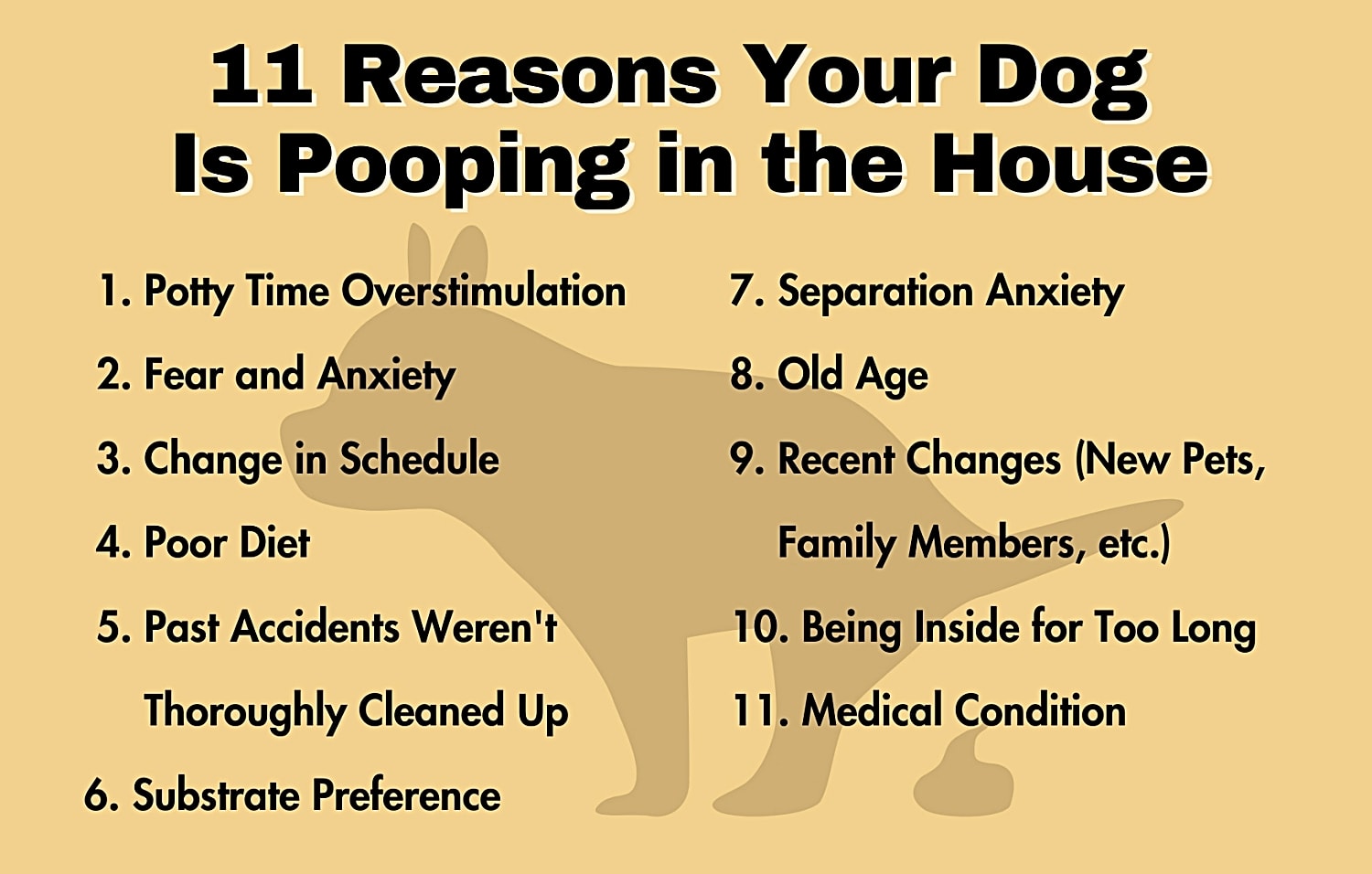
Inappropriate elimination refers to any instance where a dog relieves themselves inside the residence instead of designated outdoor areas. This behavior can stem from several distinct origins, including incomplete house-training, medical ailments, environmental stress, or cognitive changes in older animals. Gastrointestinal distress, parasites, and inflammatory bowel conditions often create an urgent need to defecate, leaving the animal unable to reach the yard in time. Alternatively, behavioral triggers such as territorial marking, separation-related anxiety, or changes in household layout can prompt a dog to deposit stool in specific indoor locations. Distinguishing between a genuine lack of house-training and a sudden regression caused by medical or emotional factors is essential for choosing the right corrective path.
Evaluating the Physical and Emotional Impact on the Household
Unresolved indoor elimination places considerable strain on the human-animal bond and can introduce potential hygiene concerns into the living environment. Persistent indoor accidents may lead to lingering odors that encourage repeat elimination if surfaces are not properly treated with enzymatic cleaners designed to break down uric acid and organic compounds at a molecular level. Furthermore, frequent indoor incidents sometimes indicate chronic gastrointestinal distress that warrants professional medical evaluation to safeguard the animal’s long-term well-being. Ignoring these signs can allow progressive health conditions to worsen or harden unwanted habits into deeply ingrained patterns.
Medical issues such as gastrointestinal parasites, food intolerances, and inflammatory conditions are frequently identified by veterinary professionals as primary physiological triggers for sudden changes in elimination habits. — American Veterinary Medical Association
Implementing Effective Management and Humane Training Strategies
Resolving indoor elimination problems requires a structured approach centered on positive reinforcement, environmental management, and predictable daily routines. Supervision should be heightened during the retraining phase, using baby gates or crate management to prevent unsupervised access to rooms where accidents commonly occur. Accompanying the dog outside on a leash during designated bathroom times allows guardians to immediately reward successful outdoor elimination with high-value treats and enthusiastic praise. Punishment is strictly discouraged, as scolding or physical reprimands only induce fear, leading the dog to hide elimination behaviors rather than eliminating outdoors.
Best Practices and Common Pitfalls to Avoid
Consistency and thorough cleanup form the foundation of successful indoor elimination management, while harsh corrections and delayed responses hinder progress. Thoroughly neutralizing previous accident sites with specialized enzyme cleaners removes residual pheromones that signal the dog to return to the same spot. It is equally important to maintain a stable feeding schedule, as predictable mealtimes typically lead to predictable bowel movements. Rushing the house-training process or altering feeding times erratically often creates confusion, delaying the establishment of reliable bathroom habits.
Enzymatic cleaning agents are clinically recommended for eliminating organic waste residues because traditional household detergents fail to break down odor molecules detectable by a dog’s sensitive olfactory system. — ASPCA
Pet Care & Wellness Overview Table
| Life Stage | Daily Activity Level | Key Nutrition / Care Focus |
|---|---|---|
| Puppy / Kitten | High (frequent short bursts) | High-protein growth diet & early socialization |
| Adult Companion | Moderate (30–60 mins daily) | Balanced maintenance nutrition & dental hygiene |
| Senior Pets | Low to Gentle (mindful walks) | Joint support (Glucosamine) & routine vet checks |
Images References



Age, Breed, and Environmental Factors Influencing Indoor Elimination
A dog’s developmental stage, physical stature, and daily environment heavily influence their ability to maintain indoor cleanliness. Senior canines may experience age-related cognitive decline or canine cognitive dysfunction, alongside declining sphincter control, which reduces their ability to hold waste for extended periods. Conversely, young puppies possess immature digestive systems and limited bladder or bowel capacity, requiring frequent daytime access to outdoor relief areas. Exploring Dog Training resources can provide additional structured guidance tailored to specific developmental milestones. Additionally, extreme weather conditions or changes in family dynamics can create hesitation around outdoor elimination, prompting animals to seek the comfort and shelter of indoor flooring.
Knowing When to Consult a Veterinary Professional or Behaviorist
Persistent indoor defecation paired with lethargy, weight loss, or changes in stool consistency requires prompt evaluation by a licensed veterinarian. A thorough physical examination, fecal analysis, and blood work help rule out underlying diseases such as exocrine pancreatic insufficiency, colitis, or systemic infections. If medical causes are fully excluded, consulting a certified professional through resources on Dog Behavior or Dog Care can help design a customized behavioral modification plan. Engaging qualified experts ensures that both physical health and psychological well-being are addressed safely and humanely.
Restoring Household Routine and Cleanliness
Overcoming indoor elimination challenges is a gradual process that relies on empathy, observation, and consistent reinforcement of positive habits. By combining veterinary oversight with patient, humane management strategies, guardians can help their animal companions regain confidence and maintain household cleanliness. Exploring further insights through Dog Health articles on PetsAnimalsWorld.com supports informed, proactive care for every stage of a dog’s life.




