
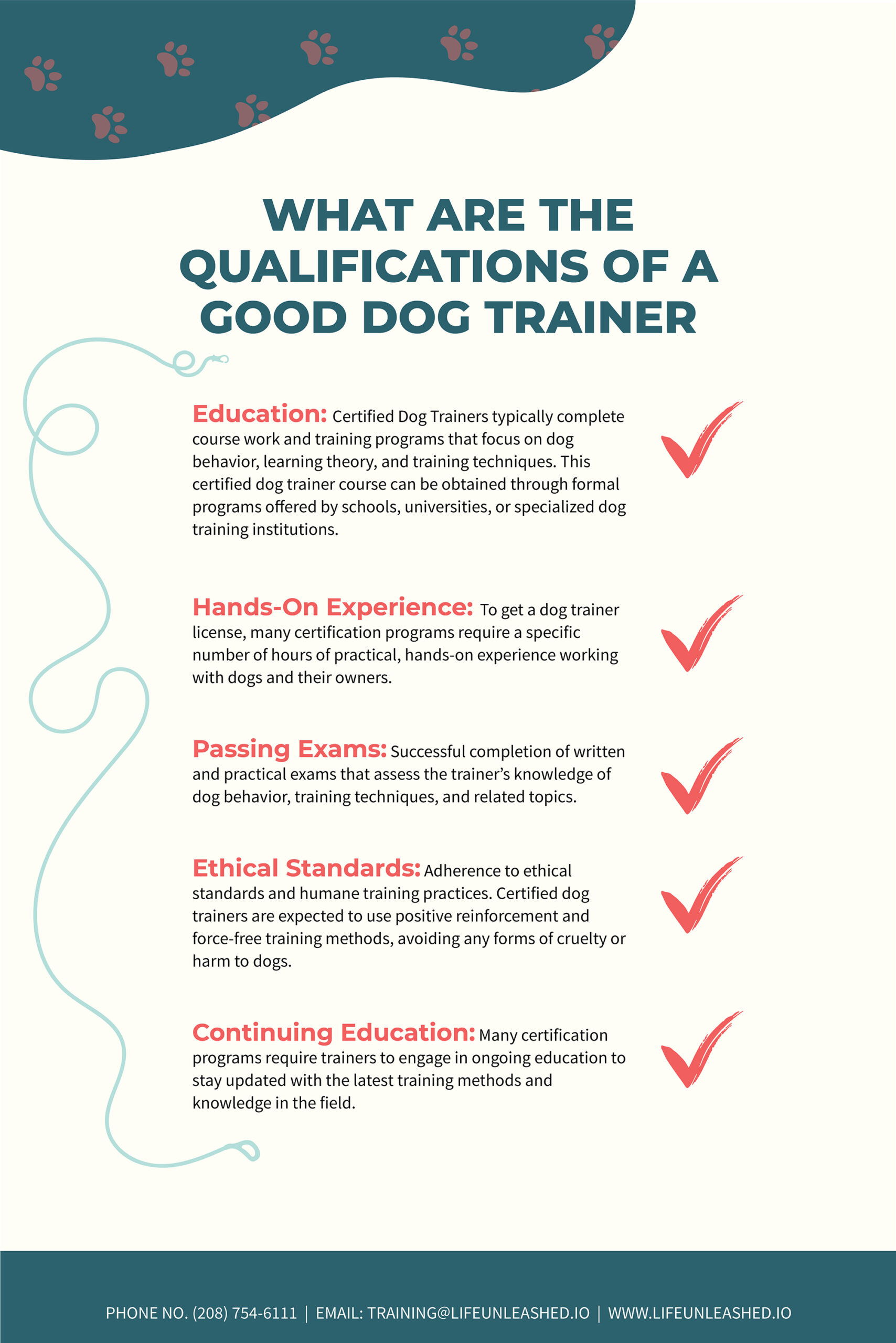
Understanding the Fundamentals of Dog Behavior Qualification
According to the American Society for the Prevention of Cruelty to Animals, behavioral issues remain one of the primary reasons companion animals are relinquished to shelters, highlighting the profound importance of proper guidance and education. When navigating the complexities of canine conduct, guardians often encounter specialized terminology and credentialing standards designed to ensure human-animal interactions remain safe, effective, and humane. Dog behavior qualification refers to the standardized assessments, certifications, and educational milestones that professionals undergo to evaluate, interpret, and modify canine actions accurately. Establishing clear benchmarks helps distinguish evidence-informed practitioners from untrained individuals, protecting both families and their canine companions from outdated, punitive methods.
💡 Pet Care Key Takeaways:
- Core Focus: Practical health, nutrition, and wellness guidelines for Dog Behavior Qualification.
- Target Scope: Pet owners, animal caregivers, and veterinary support staff.
- Best Recommendation: Maintain consistent daily routines and consult an accredited veterinarian before introducing major diet or medical changes.
Defining Dog Behavior Qualification and Professional Standards
Dog behavior qualification encompasses the rigorous educational pathways, supervised practical experience, and peer-reviewed examinations required to validate an expert’s competence in canine science. Unlike self-taught enthusiasts, qualified professionals typically hold credentials from recognized bodies such as the Certification Council for Professional Dog Trainers or maintain specialized academic degrees in animal behavior. These designations ensure that practitioners understand learning theory, ethology—the scientific study of animal behavior—and the physiological factors influencing how dogs perceive their environment. By relying on objective metrics rather than intuition, qualified specialists can accurately differentiate between normal developmental phases, stress responses, and pathological conditions.
The Impact of Qualified Guidance on Canine Welfare
Proper behavioral evaluation directly influences a dog’s long-term psychological health, physical safety, and integration into family life. Misinterpreting warning signals, such as lip-licking or stiffening postures, often leads to escalated fear and defensive reactions, which can compromise household safety. Implementing structured, evidence-based interventions fosters a reliable environment where animals feel secure rather than intimidated. When humans understand the underlying motivations behind specific actions, they can proactively modify triggers rather than merely suppressing surface-level responses through force or coercion.
Behavioral modifications grounded in positive reinforcement principles yield higher long-term success rates and lower cortisol levels in dogs compared to aversive training techniques. — American Veterinary Medical Association
Approaches to Assessing and Managing Canine Conduct
Managing complex behavioral profiles requires a systematic approach rooted in observation, environmental management, and progressive desensitization. Desensitization involves safely exposing an animal to a stimulus at a low intensity that does not trigger a fear response, gradually increasing exposure over time. Alongside this, counter-conditioning pairs the previously stressful stimulus with a highly desirable reward, altering the emotional reaction from anxiety to positive anticipation. Consistency across all household members remains paramount, as mixed signals can increase confusion and hinder progress during rehabilitation.
Best Practices and Common Pitfalls in Behavior Management
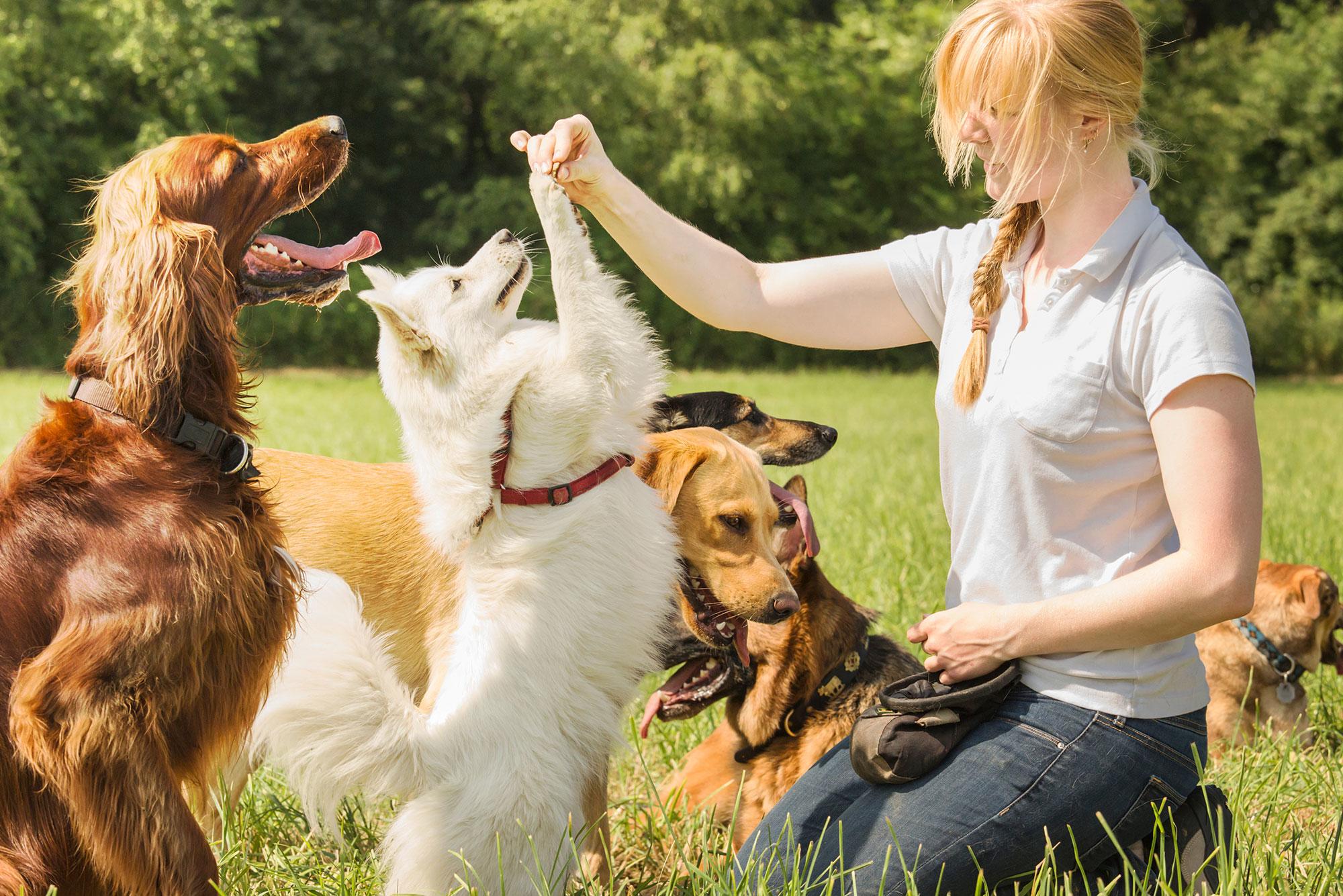
Successful modification plans depend heavily on patience, realistic timelines, and a thorough understanding of individual limitations. One frequent mistake involves rushing exposure protocols, which can flood the animal’s nervous system and intensify fear responses. Furthermore, relying on dominance theories or intimidation-based corrections often exacerbates aggression by introducing pain and unpredictability into the learning equation. Emphasizing clear communication, environmental safety, and humane Dog Training methods establishes a foundation of trust that benefits the entire household.
Early socialization during the sensitive developmental period between eight and sixteen weeks of age significantly reduces the incidence of fear-based reactivity in adult dogs. — American Kennel Club
Pet Care & Wellness Overview Table
| Life Stage | Daily Activity Level | Key Nutrition / Care Focus |
|---|---|---|
| Puppy / Kitten | High (frequent short bursts) | High-protein growth diet & early socialization |
| Adult Companion | Moderate (30–60 mins daily) | Balanced maintenance nutrition & dental hygiene |
| Senior Pets | Low to Gentle (mindful walks) | Joint support (Glucosamine) & routine vet checks |
Images References




Breed, Age, and Temperament Considerations
Individual differences in genetics, age, and individual temperament heavily influence how a dog responds to stimuli and training protocols. Herding breeds, for instance, often possess intense predatory motor patterns that require appropriate redirection to prevent frantic nipping or chasing behaviors. Similarly, senior dogs experiencing cognitive decline may exhibit sudden behavioral shifts that mimic training regressions but actually stem from neurological changes. Recognizing these nuances prevents unfair expectations and guides caretakers toward tailored Dog Breeds insights that respect genetic predispositions without relying on rigid stereotypes.
When to Consult a Veterinarian or Professional Behaviorist
Persistent fear, sudden aggression, destructive separation anxiety, or inexplicable behavior changes warrant immediate professional intervention rather than routine home management. A certified applied animal behaviorist or veterinary behaviorist should be consulted for severe issues, as these specialists possess advanced degrees capable of addressing complex pathology. Furthermore, because physical discomfort frequently triggers sudden reactivity, scheduling a comprehensive medical evaluation through Dog Health professionals is an essential first step to rule out underlying pain or illness.
Supporting Lifelong Canine Wellbeing
Navigating the intricacies of canine conduct requires continuous learning, empathy, and adherence to humane standards. By prioritizing qualified guidance, regular physical checkups, and balanced Dog Care routines, guardians can build harmonious relationships with their animal companions. Explore additional resources across Dog Behavior guides and the main portal at PetsAnimalsWorld.com to deepen your understanding of responsible pet guardianship.




