

Understanding Canine Conduct Changes After Surgical Sterilization
According to the American Society for the Prevention of Cruelty to Animals (ASPCA), surgical sterilization procedures can significantly influence various aspects of canine physiology and routine habits. Monitoring dog behavior post neuter provides valuable insights into how recovery, hormonal fluctuations, and environmental management intersect during the weeks following surgery. Canine households frequently notice shifts in energy levels, responsiveness, and daily habits as the body processes the procedure. Recognizing what changes are typical helps households provide appropriate Dog Care tailored to the recovery phase.
💡 Pet Care Key Takeaways:
- Core Focus: Practical health, nutrition, and wellness guidelines for Dog Behavior Post Neuter.
- Target Scope: Pet owners, animal caregivers, and veterinary support staff.
- Best Recommendation: Maintain consistent daily routines and consult an accredited veterinarian before introducing major diet or medical changes.
Defining Behavioral Shifts Following Orchidectomy
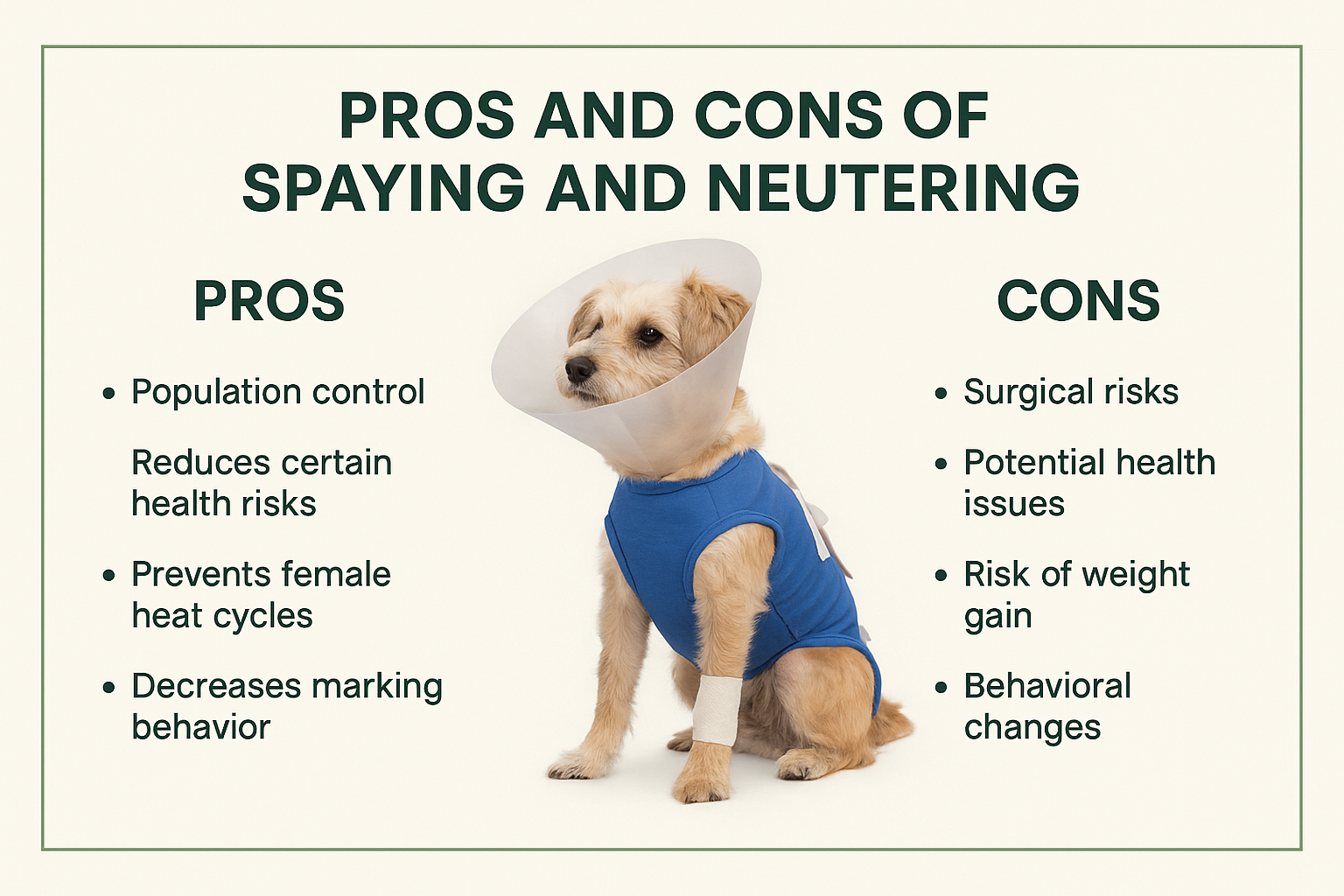
Orchidectomy, commonly known as neutering, is the surgical removal of the testicles, which eliminates the primary source of testosterone production in male dogs. Dog behavior post neuter encompasses the immediate recovery-related lethargy as well as gradual, hormone-mediated adjustments that emerge over several months. While owners often expect immediate personality transformations, internal hormone levels decrease gradually over a period of weeks. Established scientific understanding indicates that behaviors driven heavily by testosterone—such as roaming, urine marking, and certain types of inter-dog friction—tend to decrease over time, whereas learned habits and general temperament remain largely consistent.
Assessing Hormonal and Physiological Recovery Impacts
Physiological changes during the healing process directly influence daily routines and observable actions in the domestic environment. Anesthesia and surgical trauma temporarily alter metabolic rates and energy expenditure, which can manifest as temporary restlessness or subdued sluggishness during the first week. Pain management protocols prescribed by veterinary professionals play a critical role here, as inadequate pain control often mimics behavioral problems like whining, pacing, or reactive snapping. Furthermore, restricted physical activity during the healing window can create pent-up mental energy, requiring creative cognitive engagement to prevent frustration.
Hormonal shifts following gonadectomy occur gradually, meaning hormone-dependent behaviors may take up to several months to fully diminish. — American Veterinary Medical Association
Managing Daily Routines and Supportive Environmental Adjustments
Supporting a recovering animal involves maintaining a calm, predictable environment that minimizes physical strain while encouraging positive mental stimulation. Restricting strenuous exercise, jumping, and rough play is essential during the initial incision-healing period to prevent complications such as dehiscence, which is the premature splitting open of a surgical wound. Utilizing puzzle feeders, scent work games, and low-impact obedience practice helps keep the mind occupied without jeopardizing physical recovery. Clear, humane management strategies ensure that the animal remains comfortable and calm while hormone levels stabilize naturally.
Best Practices and Common Pitfalls to Avoid During Recovery
Navigating the weeks following surgery successfully requires vigilance regarding physical boundaries and psychological well-being. A frequent mistake involves removing e-collars—often called Elizabethan collars—too early, which allows the dog to lick or chew the surgical site and introduce harmful bacteria. Consistency with veterinary medication schedules ensures steady comfort without abrupt spikes in distress or discomfort. Owners should avoid punitive corrections if the animal displays mild restlessness, as punishment can escalate anxiety during an already vulnerable physiological state. Prioritizing patience and gentle positive reinforcement establishes a secure environment conducive to healing.
Surgical site monitoring twice daily helps catch early signs of inflammation, swelling, or infection before they escalate. — American Kennel Club
Pet Care & Wellness Overview Table
| Life Stage | Daily Activity Level | Key Nutrition / Care Focus |
|---|---|---|
| Puppy / Kitten | High (frequent short bursts) | High-protein growth diet & early socialization |
| Adult Companion | Moderate (30–60 mins daily) | Balanced maintenance nutrition & dental hygiene |
| Senior Pets | Low to Gentle (mindful walks) | Joint support (Glucosamine) & routine vet checks |
Images References




Influence of Breed Background, Age, and Individual Temperament
Individual responses to surgical intervention vary considerably based on genetic predisposition, developmental stage, and innate personality traits. Working or herding groups often exhibit high baseline drive and stamina, making enforced rest particularly challenging for both the dog and the household. Exploring resources related to specific Dog Breeds helps owners anticipate how inherited traits might interact with post-surgical activity restrictions. Younger animals typically rebound with high energy very quickly, whereas older individuals may require extended periods of quiet rest to regain full comfort and mobility.
Knowing When to Consult a Veterinary Professional or Behaviorist
Professional guidance becomes necessary if unusual symptoms or severe behavioral challenges arise during or after the recovery period. Persistent lethargy, loss of appetite, vocalization indicating severe pain, or visible swelling around the incision warrant immediate contact with a veterinary clinic. For deeper concerns regarding persistent aggression, severe fear, or unexpected reactivity, consultation with a certified professional trainer or veterinary behaviorist ensures that humane, evidence-based methods are applied. Exploring broader insights through Dog Behavior resources can also help families understand the complex roots of canine actions.
Supporting Long-Term Wellness and Harmonious Household Living
Navigating the weeks following surgical sterilization requires a balanced approach that honors both physical healing and psychological adjustment. By observing subtle shifts in daily routines, providing appropriate mental stimulation, and maintaining open communication with veterinary teams, households can ensure a smooth transition. Continued education through reliable channels at PetsAnimalsWorld.com empowers owners to make informed choices that promote lifelong health and happiness for their animal companions.




