

Understanding Canine Conduct and Everyday Challenges
Navigating dog behavior problems and solutions requires patience, consistency, and an understanding of why domestic canines act the way they do. According to the American Society for Prevention of Cruelty to Animals (ASPCA), behavioral issues are among the primary reasons owners relinquish companion animals to shelters, emphasizing the critical need for proactive education and early intervention. When a household pet exhibits unwanted actions, households frequently face stress and confusion. By approaching these challenges through a lens of empathy and scientific learning, caretakers can decode canine signals and foster a harmonious domestic environment. Establishing clear, humane boundaries from the beginning helps prevent minor quirks from escalating into entrenched habits.
💡 Pet Care Key Takeaways:
- Core Focus: Practical health, nutrition, and wellness guidelines for Dog Behavior Problems And Solutions.
- Target Scope: Pet owners, animal caregivers, and veterinary support staff.
- Best Recommendation: Maintain consistent daily routines and consult an accredited veterinarian before introducing major diet or medical changes.
Defining Behavioral Disruptions and Meaningful Adjustments
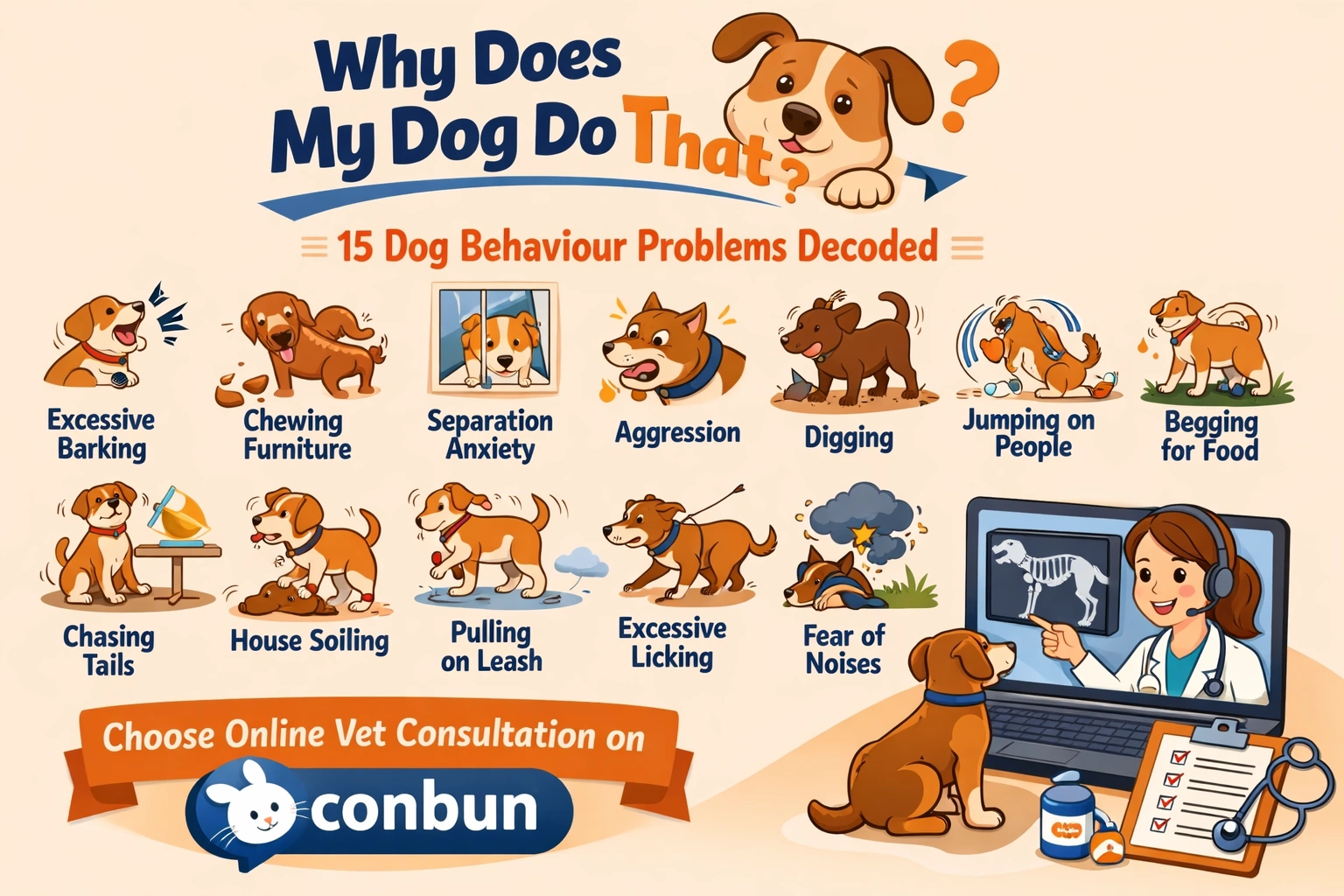
Dog behavior problems and solutions refer to the identification of aberrant, disruptive, or distressing actions—such as excessive barking, destructive chewing, and house-soiling—and the application of positive, reward-based methods to redirect those habits. Actionable interventions rely heavily on operant conditioning, a learning process through which the strength of a behavior is modified by reinforcement or punishment, with professional guidance strictly favoring positive reinforcement. Instead of relying on intimidation or dominance-based techniques, modern animal behavior science focuses on altering emotional responses through desensitization and counter-conditioning. Desensitization involves gradual exposure to a trigger at a low intensity, while counter-conditioning pairs that trigger with a high-value reward to change the underlying emotional state from fear or excitement to calm acceptance.
Impact on Household Harmony and Canine Well-being
Unresolved behavioral issues can severely impact both human tranquility and animal welfare, often leading to chronic stress, fractured bonds, and physical risks within the home. When foundational needs for mental stimulation and physical exercise go unmet, dogs frequently manifest distress through redirected energy, which can deteriorate household property and strain family relationships. Additionally, persistent anxiety or reactivity left unaddressed can elevate cortisol levels, negatively affecting overall health and longevity. Comprehensive education on Dog Behavior ensures that families recognize early warning signs before minor issues escalate into severe distress.
Behavioral problems are frequently rooted in unmet physical and psychological needs, boredom, or underlying medical discomfort rather than spitefulness. — American Society for the Prevention of Cruelty to Animals (ASPCA)
Implementing Humane Strategies for Everyday Success
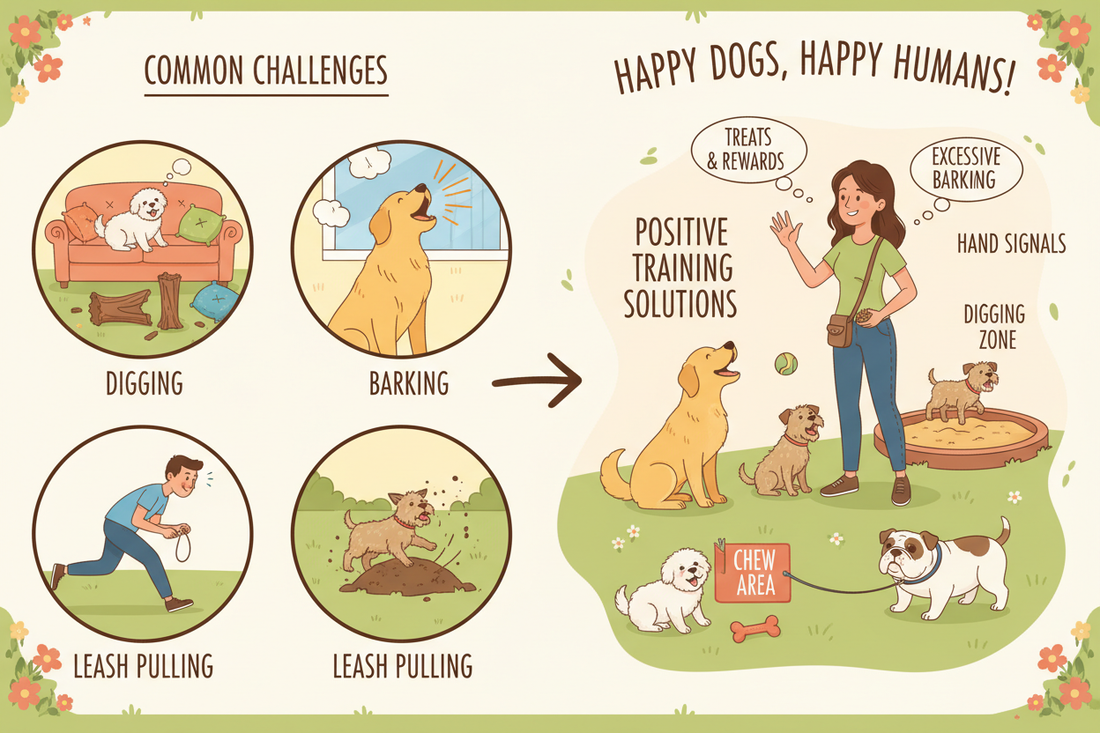
Implementing effective strategies for dog behavior problems and solutions involves identifying specific environmental triggers, managing the surroundings to prevent rehearsal of unwanted habits, and rewarding calm, appropriate choices. Consistent daily routines provide predictability, which naturally reduces anxiety in domestic canines. Incorporating puzzle toys, scent games, and structured obedience sessions fulfills cognitive needs, tiring the brain just as effectively as physical exercise. Furthermore, utilizing tools such as secure crates, baby gates, or tethering can prevent rehearsal of undesirable actions like counter-surfing or door-darling while alternative behaviors are being taught.
Best Practices and Common Pitfalls to Avoid
Avoiding common training mistakes, such as using delayed corrections or harsh vocal tones, is essential because dogs lack the cognitive capacity to connect past actions with retroactive punishment. Punishment often increases fear and anxiety, frequently worsening reactivity or causing defensive aggression. Instead, focus on proactive management and timely rewards delivered within seconds of the desired behavior. Setting realistic expectations is another cornerstone of success; complex habits require weeks or months of consistent repetition to modify. Exploring foundational resources in Dog Training can provide further clarity on building reliable cues without causing confusion.
Positive reinforcement training strengthens the human-animal bond by establishing clear, trusting communication through immediate rewards. — American Kennel Club (AKC)
Pet Care & Wellness Overview Table
| Life Stage | Daily Activity Level | Key Nutrition / Care Focus |
|---|---|---|
| Puppy / Kitten | High (frequent short bursts) | High-protein growth diet & early socialization |
| Adult Companion | Moderate (30–60 mins daily) | Balanced maintenance nutrition & dental hygiene |
| Senior Pets | Low to Gentle (mindful walks) | Joint support (Glucosamine) & routine vet checks |
Images References



Life Stage, Breed Heritage, and Individual Differences
Breed heritage, developmental stage, and individual temperament play massive roles in shaping behavioral tendencies and must be factored into any management plan. Working and herding breeds, for instance, often possess intense drive and high energy levels that require dedicated employment to prevent frustration. Similarly, adolescent dogs experience hormonal shifts and developmental milestones that can temporarily test household boundaries. Understanding the natural instincts associated with specific lineages—further detailed in guides on Dog Breeds—allows caretakers to tailor enrichment activities to match natural physical and mental inclinations.
Knowing When to Consult Veterinary Professionals
Consulting a licensed veterinarian or a certified veterinary behaviorist is crucial whenever sudden behavioral shifts occur, or when issues involve aggression, severe separation anxiety, or self-harm. Because physical pain, neurological conditions, and sensory declines frequently manifest as behavioral changes, a thorough medical examination must be the first step in addressing sudden or extreme conduct issues. For specialized, persistent, or safety-critical concerns, guidance from professionals listed through organizations such as the American Veterinary Medical Association (AVMA) or the American College of Veterinary Behaviorists ensures safe, science-based intervention.
Closing Perspectives on Lifelong Canine Care
Managing behavioral challenges is an ongoing journey that requires commitment, empathy, and a willingness to understand the world from a canine perspective. By meeting physical and emotional needs while utilizing humane, evidence-based methods, caretakers can foster a secure environment where both humans and animals thrive. Readers seeking additional insights into daily maintenance, wellness routines, and nutritional support can explore comprehensive articles on Dog Care and Dog Nutrition. Discover more expert advice, breed profiles, and wellness tips by visiting PetsAnimalsWorld.com today.




