
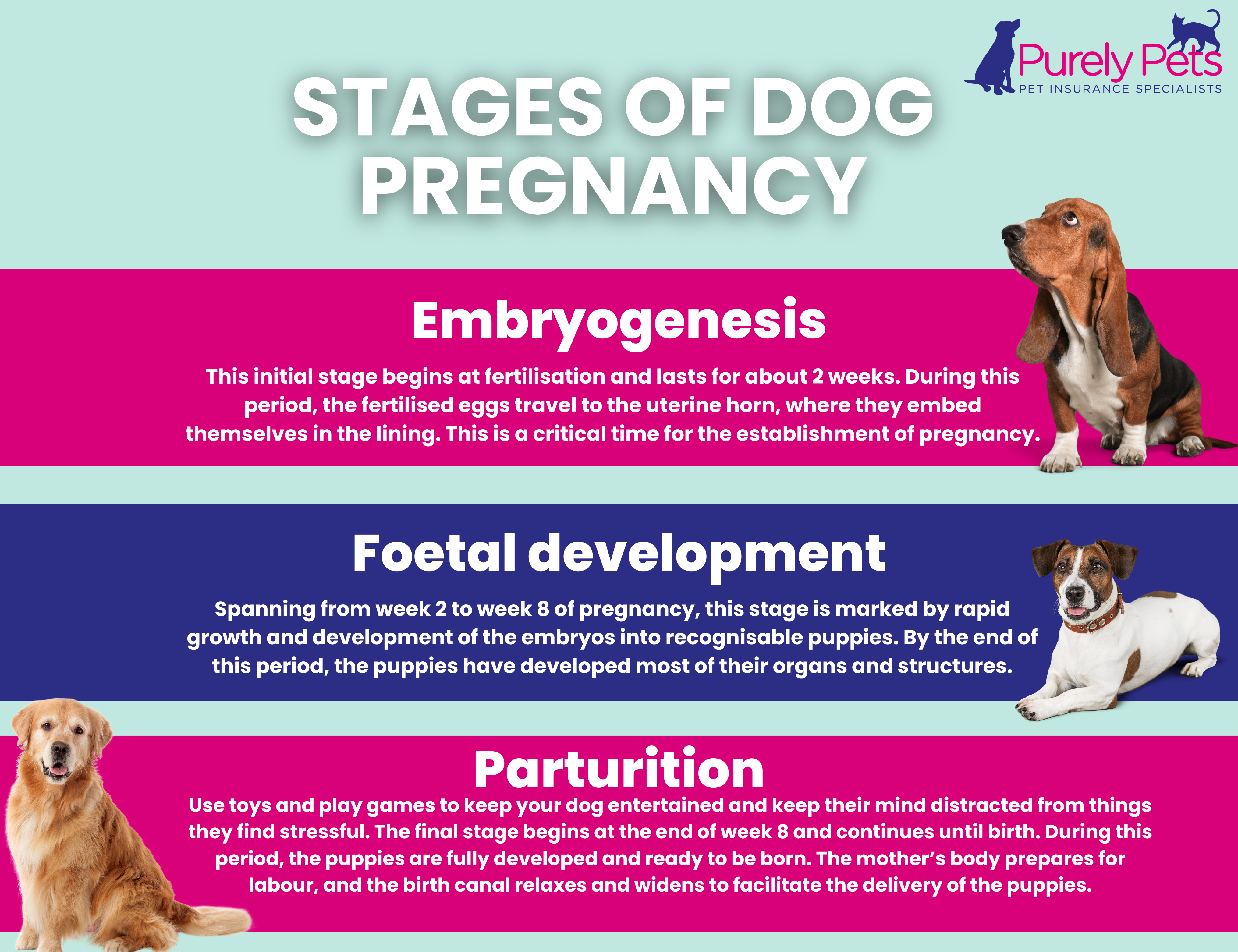
Understanding Canine Gestation and Behavioral Shifts
Recognizing changes in dog behavior pregnancy helps pet owners provide appropriate support during a biologically demanding time. According to the American Kennel Club, canine gestation typically lasts approximately 63 days, though variations can occur depending on the specific breed and litter size. Throughout this transformative period, an expectant canine experiences profound hormonal fluctuations that directly influence daily habits, emotional responses, and social interactions within the household. Observers often notice subtle adjustments long before physical signs become apparent, making behavioral literacy an essential component of proper prenatal care.
💡 Pet Care Key Takeaways:
- Core Focus: Practical health, nutrition, and wellness guidelines for Dog Behavior Pregnancy.
- Target Scope: Pet owners, animal caregivers, and veterinary support staff.
- Best Recommendation: Maintain consistent daily routines and consult an accredited veterinarian before introducing major diet or medical changes.
Expecting mothers undergo a complex endocrine cascade involving progesterone and relaxin, hormones that maintain pregnancy and prepare the body for parturition, the medical term for labor and giving birth. These chemical messengers affect the central nervous system, altering stress thresholds and altering how a dog perceives familiar environments, human family members, and other household animals. Careful observation ensures that human caretakers can differentiate between normal physiological adaptations and signs of potential distress or medical complications. For more related activities, check out our Dog Care Electric Collar.
Defining Gestational Behavioral Modifications
Dog behavior pregnancy refers to the broad spectrum of psychological and physical adjustments an expectant mother exhibits from conception through whelping, the birth process. These shifts are entirely natural extensions of maternal instinct and neuroendocrine changes. Some individuals display an increased desire for affection, seeking constant physical closeness with human companions, while others prefer solitude and reduced handling. Understanding that these shifts are driven by biology rather than disobedience allows caregivers to respond with patience and structured accommodation.
Appetite fluctuations also accompany these psychological changes. Early in gestation, mild nausea or hormonal shifts can cause temporary reluctance to eat, while later stages demand significantly higher caloric intake to support fetal development. Activity levels generally decrease as the pregnancy progresses, as the physical load of carrying developing puppies naturally encourages conservation of energy. Recognizing these patterns assists in tailoring daily routines to the changing physical capacities of the expectant dog.
Supporting canine well-being during gestation requires balancing nutritional needs, gentle physical activity, and low-stress environmental conditions. As physical changes become visible, heavy exercise should be scaled back in favor of short, frequent walks that maintain muscle tone without inducing exhaustion. Sudden changes to household routines or the introduction of unfamiliar pets can heighten anxiety during this sensitive window. Providing a quiet, dedicated resting area helps the expectant mother feel secure as her maternal instincts intensify.
Proper nutritional support during the final third of gestation involves transitioning to a high-quality growth or lactation diet to meet the escalating metabolic demands of fetal development. — American Kennel Club
Environmental predictability plays a vital role in keeping stress hormones at elevated minimums. Introducing the whelping box, a safe and enclosed area designed for birth and early nursing, several weeks prior to the due date allows the dog to acclimate comfortably. For instance, placing familiar bedding and toys inside this designated space encourages natural nesting behavior without creating pressure or confusion.
Managing Gestational Changes Through Compassionate Care
Effective management relies on continuous observation, gentle handling, and strict avoidance of stressful stimuli that could negatively impact maternal health. Caregivers should monitor daily routines closely, noting any sudden shifts in temperament, appetite, or energy levels. Ensuring constant access to fresh water and comfortable resting spots supports the physiological adjustments happening internally.
Best Practices and Common Mistakes to Avoid
Maintaining a calm environment stands as a primary objective when caring for a pregnant dog. A common mistake involves overhandling or allowing unfamiliar visitors to crowd the expectant mother, which can trigger defensive reactions rooted in protective instincts. Instead, respect boundaries and allow the dog to initiate contact when seeking reassurance.
Another critical consideration involves avoiding unverified supplements or unprescribed medications. Every nutritional adjustment should be evaluated in consultation with a licensed veterinarian to ensure safety for both the mother and the developing litter. Maintaining consistent daily schedules for feeding and gentle outdoor breaks provides stability during a time of significant bodily change.
Sudden lethargy, refusal to eat for more than twenty-four hours, or abnormal vaginal discharge during gestation require prompt veterinary evaluation to safeguard maternal and fetal health. — American Veterinary Medical Association
Pet Care & Wellness Overview Table
| Life Stage | Daily Activity Level | Key Nutrition / Care Focus |
|---|---|---|
| Puppy / Kitten | High (frequent short bursts) | High-protein growth diet & early socialization |
| Adult Companion | Moderate (30–60 mins daily) | Balanced maintenance nutrition & dental hygiene |
| Senior Pets | Low to Gentle (mindful walks) | Joint support (Glucosamine) & routine vet checks |
Images References


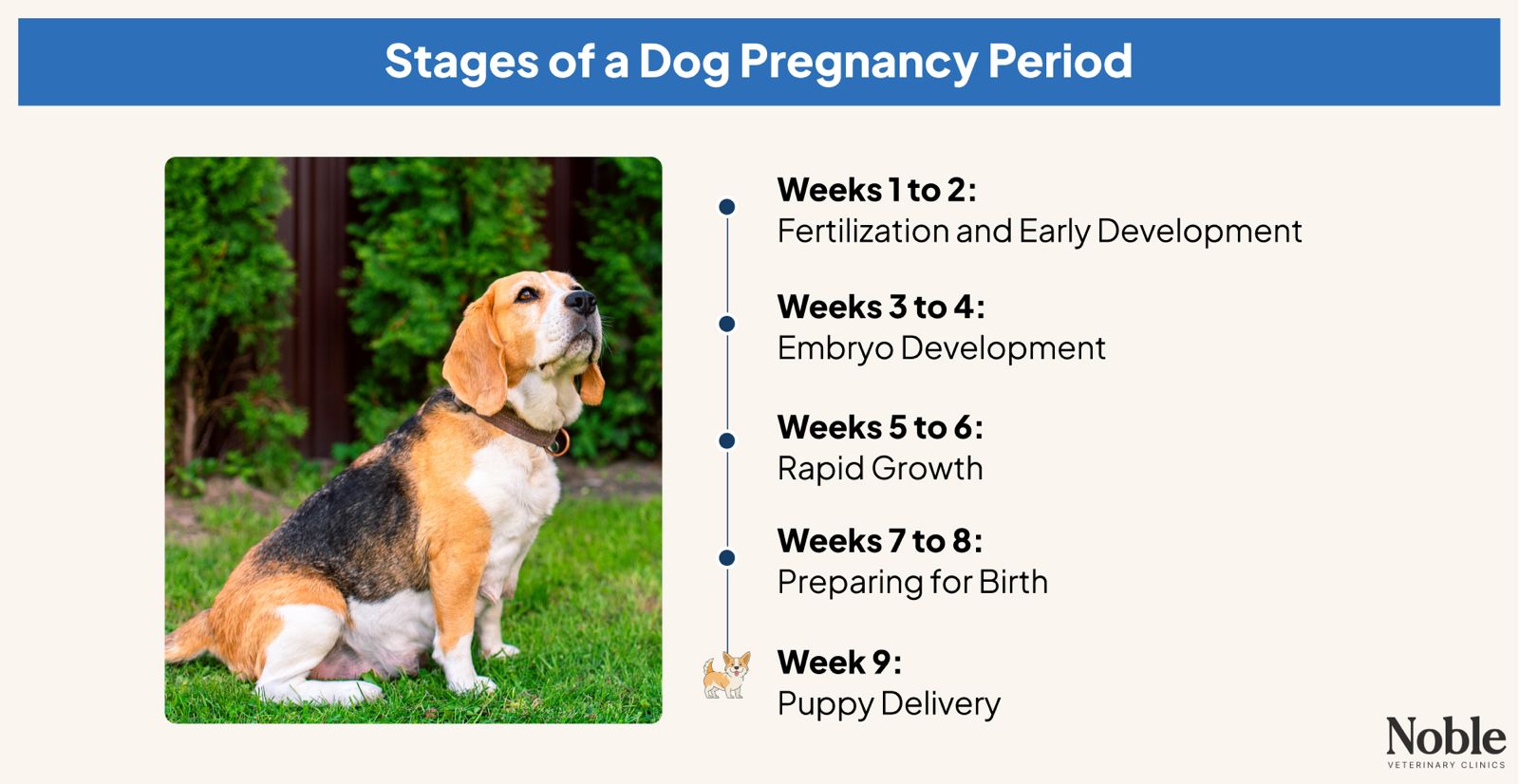





Breed, Age, and Temperament Influences
Individual responses to gestation vary widely based on genetic background, breed characteristics, individual temperament, and previous reproductive history. Working or guarding breeds may exhibit heightened territorial instincts much earlier in the gestation cycle, requiring careful management of household guests and external stimuli. Conversely, companion breeds might display an intense, continuous need for human proximity and reassurance as physical vulnerability increases.
Age also plays a significant role in how a dog processes pregnancy. First-time mothers, particularly younger or older adults, may show heightened confusion or anxiety when experiencing nesting urges for the first time. Tailoring the approach to match the specific needs of the individual dog ensures that care remains empathetic, supportive, and safe throughout the entire journey.
When to Consult a Veterinary Professional
Professional veterinary guidance remains indispensable for monitoring health, confirming pregnancy via safe diagnostics, and establishing a safe timeline for prenatal care. Regular checkups allow the veterinary team to track fetal growth, evaluate maternal health parameters, and provide evidence-based nutritional recommendations tailored to the specific stage of gestation. Any sudden behavioral extremes, persistent discomfort, or signs of illness warrant immediate professional communication.
For comprehensive resources on canine wellbeing, explore articles on Dog Health, Dog Care, and Dog Nutrition. Maintaining open channels of communication with a veterinary team ensures that every expectant dog receives attentive, high-standard support from conception through the arrival of the litter. Learn more about optimal practices at PetsAnimalsWorld.com.




