

Understanding Behavioral Changes Following Gonadectomy in Canines
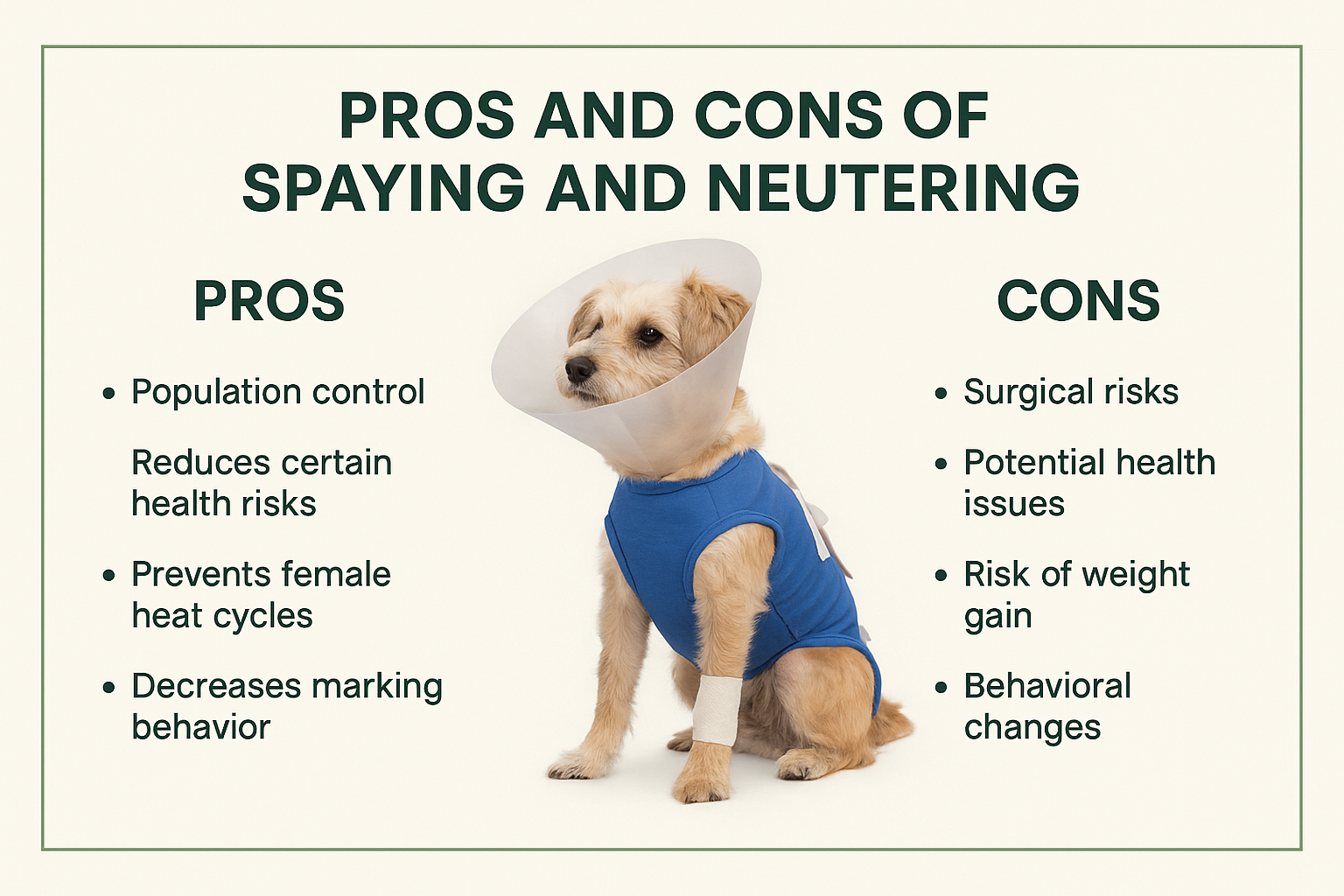
According to the American Society for the Prevention of Cruelty to Animals (ASPCA), surgical sterilization alters hormone levels in canines, which can sometimes influence temperament and daily routines. When households notice unexpected actions in a newly altered companion, the situation often prompts questions about surgical recovery and psychological shifts. Gonadectomy—the medical term for surgical sterilization—removes the primary source of sex hormones like testosterone and estrogen. While this procedure successfully eliminates reproductive capability and reduces certain hormone-driven habits, it does not act as an instant cure-all for every discipline challenge. Canines are complex individuals shaped by genetics, socialization, environment, and learned habits throughout life. Recognizing the subtle ways a recovering animal reacts to bodily changes, environmental stress, and altered routines helps caregivers provide proper support during the transition period.
💡 Pet Care Key Takeaways:
- Core Focus: Practical health, nutrition, and wellness guidelines for Dog Behavior Problems After Neutering.
- Target Scope: Pet owners, animal caregivers, and veterinary support staff.
- Best Recommendation: Maintain consistent daily routines and consult an accredited veterinarian before introducing major diet or medical changes.
Defining Post-Surgical Behavioral Shifts in Canines
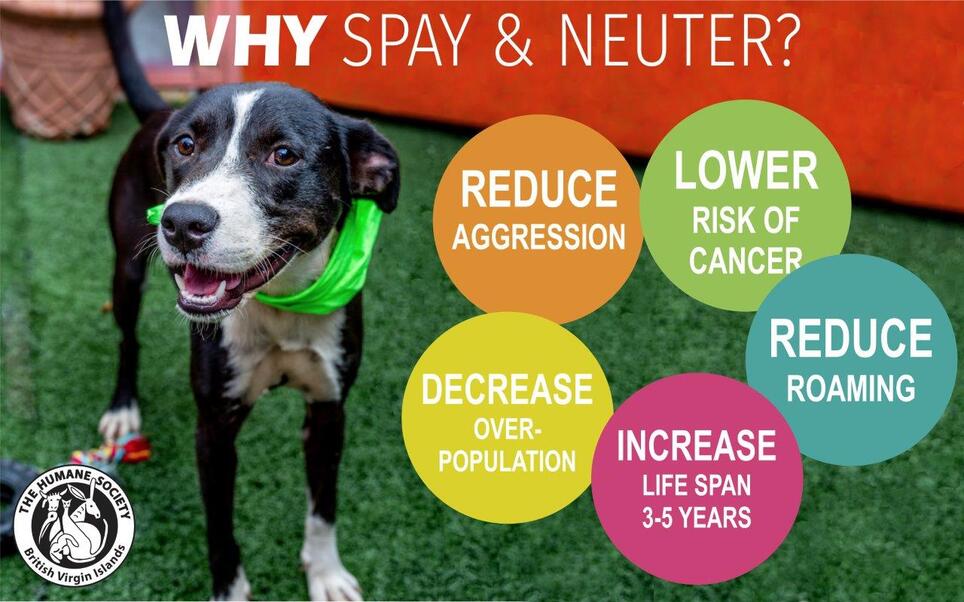
Dog behavior problems after neutering typically encompass unexpected reactivity, increased anxiousness, territorial adjustments, or persistent habits that owners hoped the surgery would instantly resolve. Sterilization reliably decreases roaming tendencies, inter-male aggression driven by hormones, and urine marking in a large percentage of subjects. However, behaviors rooted in fear, poor early socialization, or learned routines often remain unchanged or may temporarily escalate due to the stress of veterinary clinics and post-operative discomfort. It is essential to distinguish between hormone-driven actions and learned responses. For instance, a canine that barks at visitors out of ingrained warfulness will not automatically become welcoming simply because testosterone levels drop. Examining the underlying emotional state of the animal provides the most accurate roadmap for addressing these shifts constructively. For more related activities, check out our How Do You Correct A Dog’S Behavior.
The Interplay Between Recovery, Physiology, and Conduct
Post-operative physical recovery heavily influences mental well-being, as surgical pain, grogginess from anesthesia, and mandatory leash-rest confinement can create significant frustration. When an active animal is suddenly restricted from running, jumping, or interacting normally with housemates, pent-up physical energy often manifests as indoor pacing, whining, excessive chewing, or sudden outbursts. Furthermore, hormonal fluctuations during the weeks immediately following the operation can temporarily destabilize mood regulation. Caregivers must observe recovery protocols carefully while offering gentle mental stimulation to prevent frustration-based difficulties. Establishing a calm, predictable environment reduces post-surgical stress and supports balanced emotional health during the healing window.
Studies show that surgical sterilization effectively reduces hormone-mediated roaming and mounting, but fear-based reactivity often requires targeted behavioral modification rather than hormonal intervention alone. — American Veterinary Medical Association
Approaching and Managing Post-Operative Challenges Humanely
Addressing post-surgical challenges requires patience, positive reinforcement, and a commitment to humane, non-punitive management strategies. When an animal exhibits unexpected reactivity or restlessness during recovery, punishment must be strictly avoided, as intimidation or harsh corrections intensify fear and heighten stress levels. Instead, focus on redirecting attention toward appropriate outlets, offering safe puzzle toys for mental enrichment, and maintaining structured, low-impact routines. Providing a quiet, secure resting space away from household chaos allows the animal to decompress physically and mentally. Recording specific triggers, times of day, and environmental contexts helps identify whether the observed difficulties stem from lingering physical discomfort, boredom, or deeper environmental anxieties.
Best Practices and Common Mistakes During Post-Surgical Care
Managing a recovering animal successfully involves adhering to strict veterinary guidelines while avoiding common pitfalls like premature exercise or misinterpreting pain as disobedience. A frequent mistake is allowing high-intensity play too soon, which can disrupt internal healing and prolong physical discomfort that contributes to behavioral tension. Caregivers should implement calm handling techniques, administer prescribed pain management precisely as directed by a licensed veterinarian, and avoid abrupt changes to daily feeding or resting schedules. Consistency remains vital. Rewarding calm, relaxed postures reinforces positive associations with the indoor environment during periods of restricted activity. Always consult a veterinary professional if unusual lethargy, sudden aggression, or persistent whining occurs, as these signs frequently indicate untreated post-operative pain or complications requiring medical evaluation.
Behavioral consultations indicate that integrating structured mental enrichment alongside physical rest significantly lowers stress-related incidents in recovering canines. — Association of Professional Dog Trainers
Pet Care & Wellness Overview Table
| Life Stage | Daily Activity Level | Key Nutrition / Care Focus |
|---|---|---|
| Puppy / Kitten | High (frequent short bursts) | High-protein growth diet & early socialization |
| Adult Companion | Moderate (30–60 mins daily) | Balanced maintenance nutrition & dental hygiene |
| Senior Pets | Low to Gentle (mindful walks) | Joint support (Glucosamine) & routine vet checks |
Images References



Breed, Age, and Temperament Influences on Post-Operative Responses
Individual responses to gonadectomy vary widely based on breed predispositions, age at the time of surgery, and baseline temperament. Herding breeds, guardian types, and companion lines process environmental stimuli and hormonal shifts differently. For example, working breeds accustomed to high physical output may display intense frustration during strict post-operative confinement, leading to destructive chewing or indoor vocalization. Conversely, sensitive breeds may exhibit heightened warfulness or fear responses if veterinary visits and recovery collars cause overwhelming stress. Age is another critical factor; adolescent animals undergoing procedures during developmental fear periods might react more intensely to handling than mature adults. Understanding a specific animal’s unique background helps caregivers tailor recovery management to match individual needs.
When to Consult a Veterinarian or Professional Behaviorist
Persistent or worsening behavioral concerns following surgical recovery warrant professional guidance from a qualified veterinarian, certified professional dog trainer, or veterinary behaviorist. If unexpected aggression, severe anxiety, self-mutilation, or prolonged lethargy arises, immediate professional evaluation is necessary to rule out underlying medical issues such as hidden infection, surgical complications, or chronic pain. Never rely on punitive methods for serious behavioral concerns. Instead, seek out professionals who utilize evidence-based, humane, fear-free methodologies to ensure the safety and emotional well-being of the animal.
Supporting Your Canine Companion Safely
Navigating behavioral shifts after gonadectomy requires a balanced approach combining veterinary insight, compassionate handling, and proper physical management. By understanding how physiological recovery and environmental changes intersect, households can guide their companions through the transition period successfully. Explore further resources on Dog Behavior, learn about specific Dog Breeds, review essential Dog Care tips, and consult guidance on Dog Health to ensure lifelong wellness. Visit PetsAnimalsWorld.com for continuous support in raising happy, healthy companions.




