
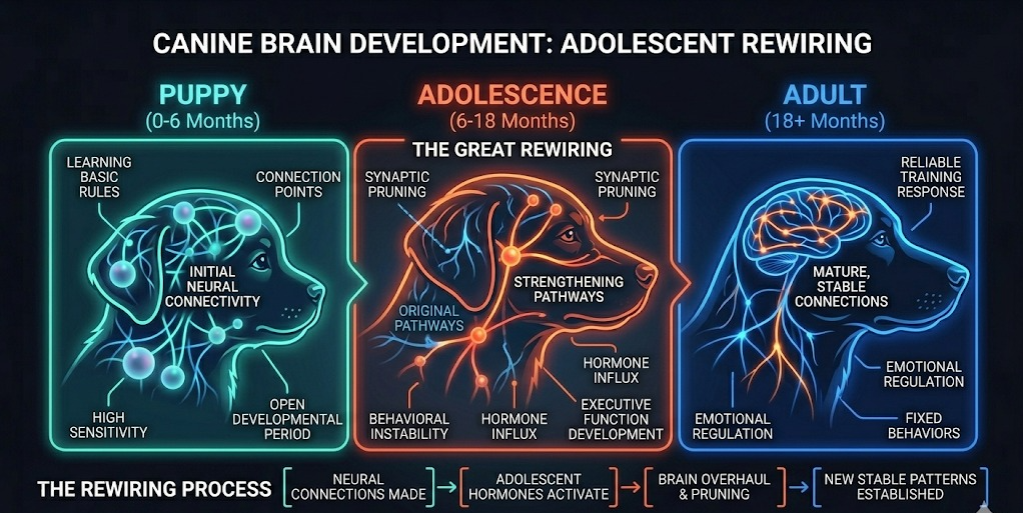
Understanding Unexpected Setbacks in Canine Learning and Habits
According to the American Society for the Prevention of Cruelty to Animals (ASPCA), behavioral changes in dogs frequently signal underlying shifts in environment, routine, or physical comfort rather than stubbornness. Observing a previously house-trained or well-mannered dog suddenly revert to old, unwanted habits can prove deeply discouraging. Pet guardians frequently invest significant time and patience into teaching household rules, social etiquette, and basic obedience. Witnessing the sudden breakdown of these established patterns often leads to frustration. However, canine learning is rarely a linear progression. Understanding why these setbacks occur allows for a more compassionate, evidence-informed approach to canine care.
💡 Pet Care Key Takeaways:
- Core Focus: Practical health, nutrition, and wellness guidelines for Dog Behavior Regression.
- Target Scope: Pet owners, animal caregivers, and veterinary support staff.
- Best Recommendation: Maintain consistent daily routines and consult an accredited veterinarian before introducing major diet or medical changes.
Defining Behavioral Setbacks and Their Manifestations
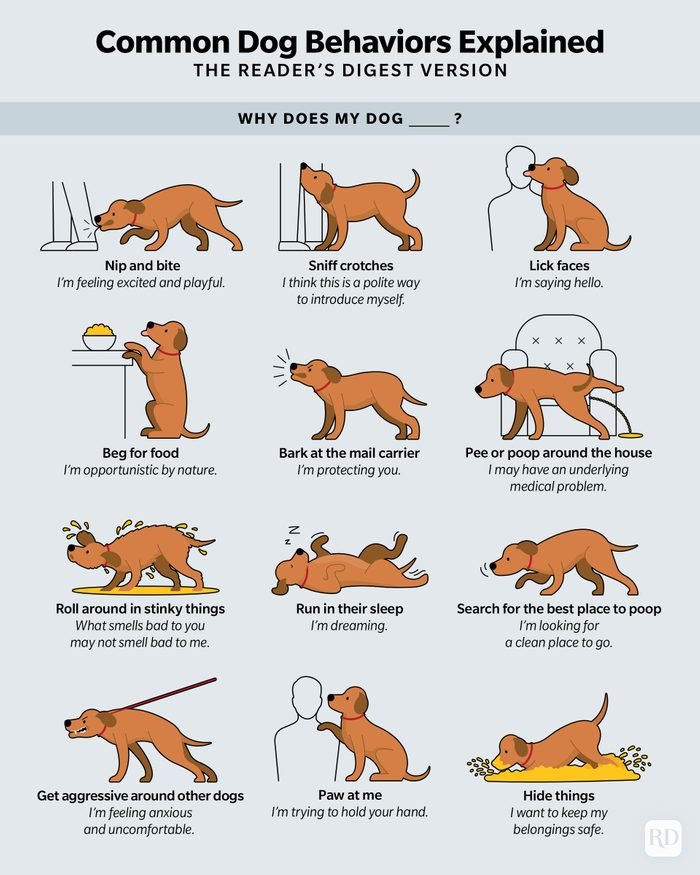
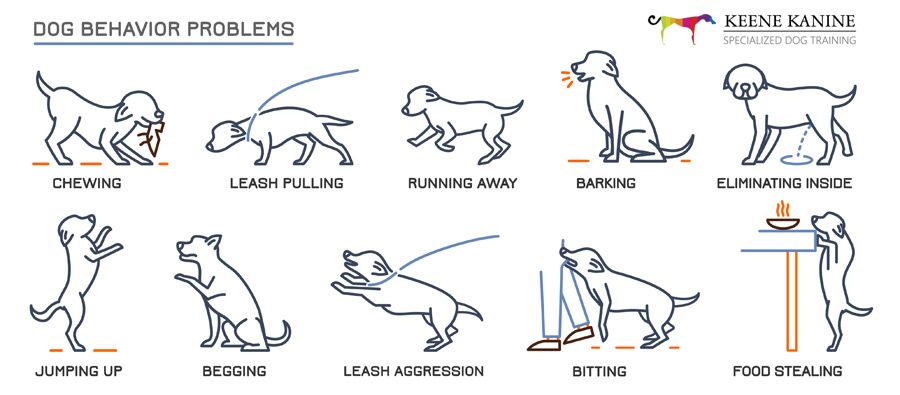
Dog behavior regression describes a temporary or prolonged return to previously extinguished habits, such as house-soiling, excessive vocalization, leash pulling, or separation-related distress. This phenomenon occurs when a dog unlearns or fails to generalize previously mastered cues in response to internal or external triggers. For instance, a young dog that has successfully navigated adolescence might suddenly start chewing household items or ignoring recall commands. These regressions often highlight a gap in consistency, environmental stability, or emotional security. Recognizing that the animal is not acting out of malice is the first step toward restoring harmony in the household. For more related activities, check out our Dog Uti Behavior Change.
The Interplay Between Physical Wellness and Emotional Stability
Underlying medical issues, cognitive aging, or environmental stressors often trigger sudden shifts in canine conduct, requiring careful evaluation of both physical health and daily routines. Pain, discomfort, or sensory decline can drastically alter how a dog interacts with the surrounding world. Conditions such as canine cognitive dysfunction, urinary tract infections, or dental pain frequently manifest as uncharacteristic disobedience or house-soiling. When a dog experiences chronic discomfort, the threshold for stress lowers significantly, making previously manageable situations overwhelming. Furthermore, disruptions in the household, such as moving to a new home, welcoming a new family member, or altering daily schedules, can introduce subtle chronic stress that erodes training progress over time.
Behavioral changes, including sudden regression in house-training or obedience, often serve as an early indicator of underlying medical discomfort or pain in adult and senior dogs. — American Veterinary Medical Association
Practical Strategies for Rebuilding Consistent Habits
Reestablishing reliable habits requires a return to foundational management techniques and positive reinforcement principles, which rely on rewarding desired actions rather than punishing mistakes. Managing the environment prevents the rehearsal of unwanted behaviors while rebuilding fluency in basic cues. For example, if house-training breaks down, returning to frequent supervised outdoor trips and rewarding successful elimination outside helps reinforce the desired routine. Clear, consistent communication among all household members ensures that the dog receives unambiguous signals regarding expectations. Patience remains essential, as rushing the process can create additional anxiety and further delay progress.
Avoiding Common Pitfalls and Ensuring Positive Reinforcement
Punishment, intimidation, and dominance-based correction techniques must be strictly avoided during behavioral setbacks, as these methods heighten fear and anxiety while compounding the underlying problem. A common mistake involves raising expectations too quickly after a brief period of improvement, leading to cognitive overload for the animal. Instead, breaking tasks down into smaller, manageable steps ensures success and builds confidence. Utilizing high-value rewards for correct responses reinforces positive associations with learning. Consistency in cue delivery, reward timing, and daily structure creates a predictable framework that supports lasting behavioral stability.
Positive reinforcement training methods are proven to be more effective and less likely to induce fear or aggression compared to traditional punishment-based approaches. — American Veterinary Medical Association
Pet Care & Wellness Overview Table
| Life Stage | Daily Activity Level | Key Nutrition / Care Focus |
|---|---|---|
| Puppy / Kitten | High (frequent short bursts) | High-protein growth diet & early socialization |
| Adult Companion | Moderate (30–60 mins daily) | Balanced maintenance nutrition & dental hygiene |
| Senior Pets | Low to Gentle (mindful walks) | Joint support (Glucosamine) & routine vet checks |
Images References






Breed, Age, and Developmental Factors Influencing Setbacks
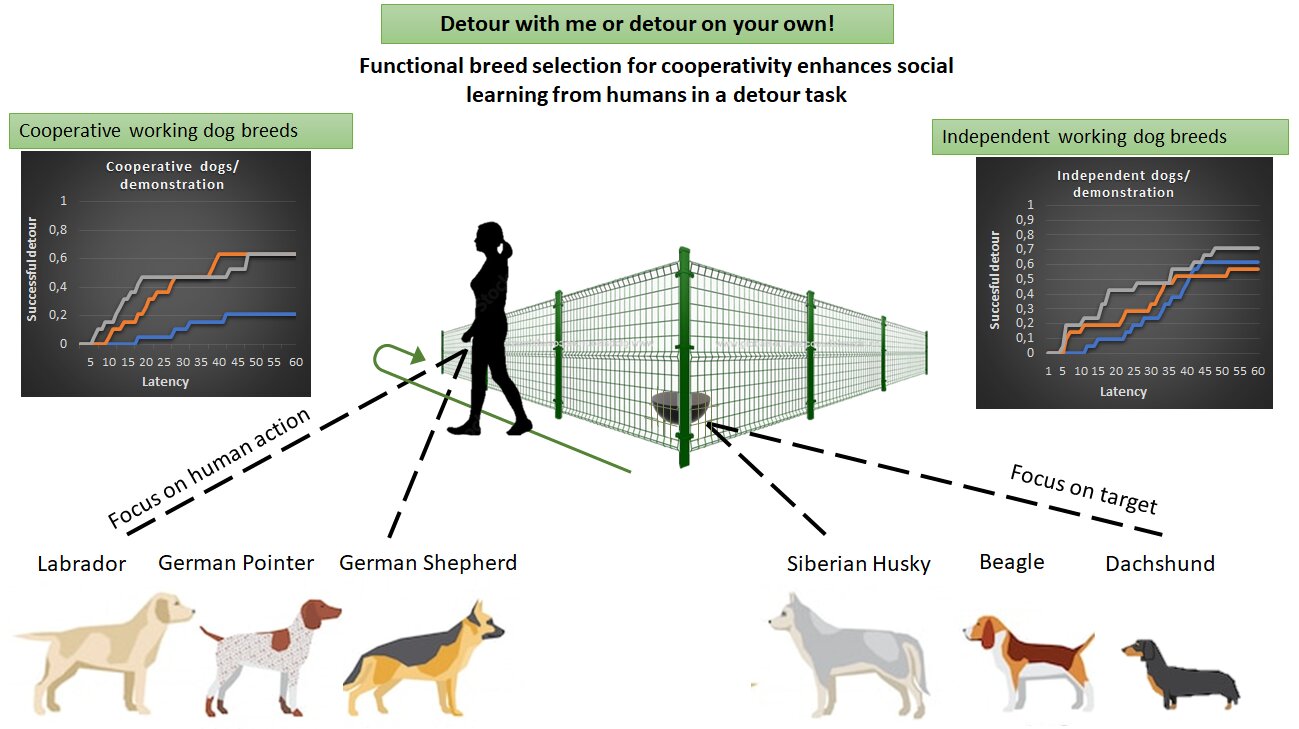
Different breeds, life stages, and temperaments experience developmental milestones and sensitivities at varying rates, shaping their susceptibility to behavioral regression. Adolescent dogs, typically ranging from six to eighteen months of age, frequently experience a well-documented phase of testing boundaries and reduced responsiveness to training. Working or high-drive breeds might exhibit frustration-related regressions if their intense mental and physical stimulation needs go unmet. Conversely, senior dogs navigate age-related physiological changes that impact learning capacity and emotional regulation. Tailoring expectations to match the specific developmental stage and individual temperament of the dog ensures a more realistic and supportive training environment.
Knowing When to Consult a Veterinary Professional or Behaviorist
Persistent, severe, or sudden behavioral regressions warrant a comprehensive veterinary examination to rule out medical causes before pursuing further behavioral modification. If a dog displays signs of extreme fear, panic, aggression, or self-injury, immediate professional intervention is necessary. For specialized support, pet owners should seek out a qualified, certified professional dog trainer or a board-certified veterinary behaviorist who utilizes humane, science-based methodologies. Collaborating with qualified professionals ensures an accurate diagnosis and a customized intervention plan tailored to the unique needs of the individual animal.
Supporting Long-Term Canine Wellness and Stability
Navigating unexpected changes in a companion animal requires patience, structured management, and a commitment to positive reinforcement. By prioritizing regular wellness checks and consistent daily routines, guardians can help their animal companions overcome temporary hurdles. Exploring resources dedicated to Dog Behavior, Dog Training, and proper Dog Care can deepen understanding of canine needs. Visit PetsAnimalsWorld.com to discover additional educational guides and expert insights designed to support a healthy, balanced life for every canine companion.




