

Understanding the Importance of Canine Behavioral Assessments
According to the American Society for Prevention of Cruelty to Animals (ASPCA), understanding canine behavioral health and tracking daily wellness are foundational elements of responsible animal guardianship. Maintaining insight into an animal’s emotional and physical state requires systematic observation rather than guesswork. Many guardians find that routine evaluations help bridge the gap between home life and professional settings, particularly when navigating modern Dog Training milestones. Recognizing daily shifts in mood, sociability, and responsiveness allows for early adjustments in daily routines, ensuring that emotional needs are consistently met before minor stressors escalate into challenging patterns.
💡 Pet Care Key Takeaways:
- Core Focus: Practical health, nutrition, and wellness guidelines for Dog Behavior Report Card.
- Target Scope: Pet owners, animal caregivers, and veterinary support staff.
- Best Recommendation: Maintain consistent daily routines and consult an accredited veterinarian before introducing major diet or medical changes.
Defining the Dog Behavior Report Card Concept
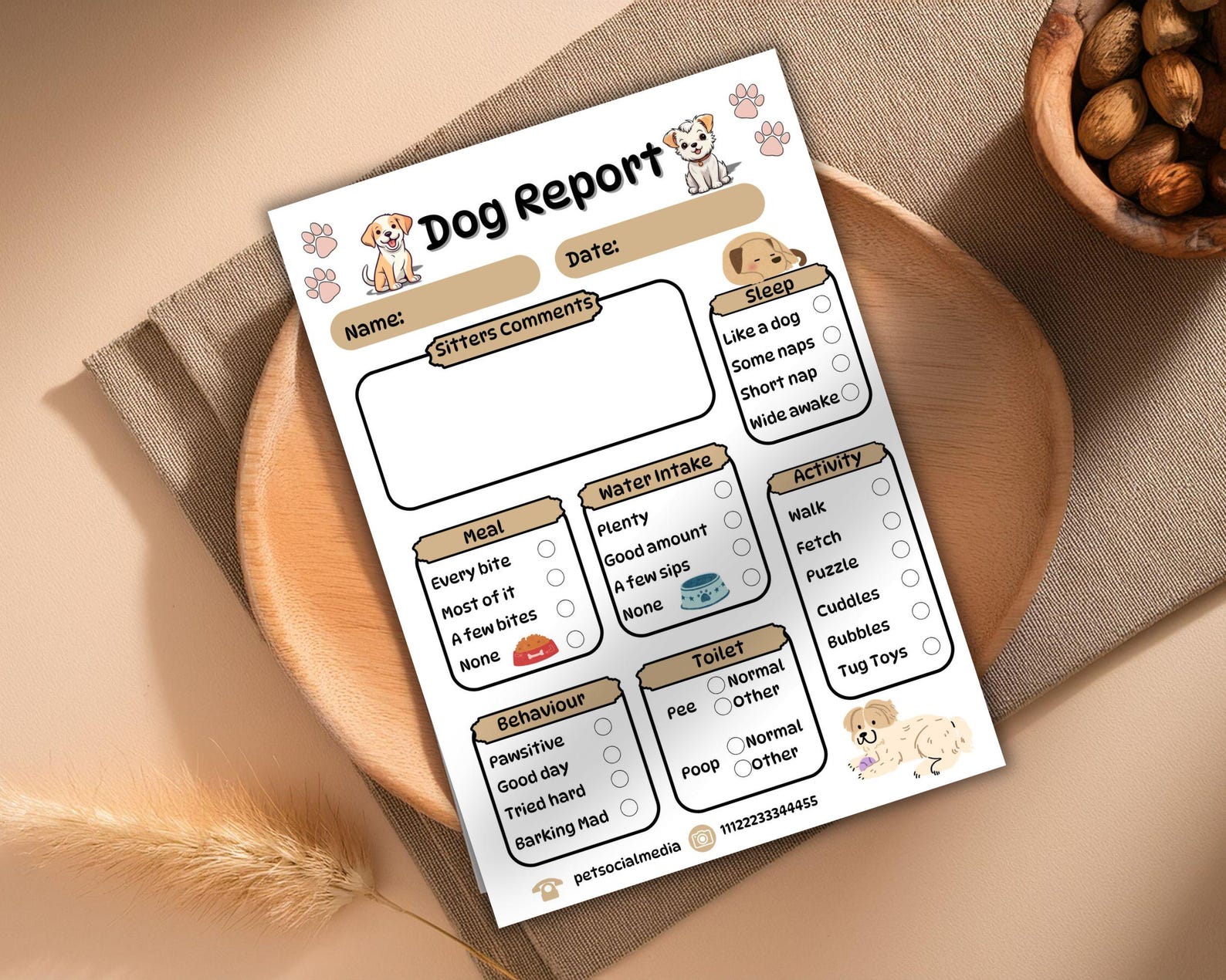
A dog behavior report card functions as a structured tracking tool used by daycare facilities, boarding kennels, trainers, and attentive pet parents to document daily emotional states and social interactions. This evaluative document typically records specific metrics such as energy levels, impulse control, body language indicators, and reactivity to novel stimuli. By transforming subjective impressions into organized documentation, observers can spot trends over time. For example, noting recurring bouts of stiffness during afternoon rest periods might reveal an environmental trigger or a physical discomfort that requires attention, providing a clear window into the animal’s internal experience.
The Impact of Behavioral Tracking on Daily Wellness
Regularly reviewing structured behavioral notes directly influences overall welfare by highlighting subtle adjustments needed in daily Dog Care regimens. When observers record physiological responses alongside behavioral cues—such as panting rates, posture shifts, or subtle avoidance behaviors—they create a comprehensive picture of comfort and stress. This proactive oversight helps protect physical wellness, because chronic stress and elevated cortisol levels can negatively impact immune function and digestion. Systematic tracking enables caretakers to tailor enrichment activities, ensuring that mental stimulation matches physical capacity without pushing the animal toward exhaustion or frustration.
Behavioral observations documented consistently in structured tracking tools provide measurable insights into an animal’s daily stress levels, helping caretakers identify environmental triggers before chronic anxiety develops. — American Veterinary Medical Association
Implementing Tracking Systems in Routine Environments
Establishing a reliable evaluation routine involves observing the animal across various contexts, including feeding times, greeting rituals, and solo rest periods. Caretakers should focus on objective descriptions rather than interpretive labels, noting specific physical signs such as loose muscles, whale eye, or lip licking rather than simply declaring the animal “good” or “bad.” Integrating these notes into a shared daily log ensures consistency among all household members or professional handlers. For those pursuing structured education on animal conduct, consulting resources dedicated to Dog Behavior offers valuable context for interpreting subtle physical signals accurately.
Best Practices and Common Evaluation Mistakes
Effective evaluation requires patience, consistency, and an understanding of normal canine communication signals. A frequent mistake involves punishing stress responses, such as growling, which removes an essential warning sign and increases the risk of unpredictable bites without addressing the underlying fear or discomfort. Instead, experts recommend utilizing positive reinforcement frameworks to reward calm focus and voluntary engagement. Maintaining a neutral, observant mindset ensures that the resulting notes accurately reflect the animal’s reality rather than the caretaker’s emotional expectations for the day.
Documenting specific physiological responses, such as changes in respiration or posture during social interactions, yields more reliable indicators of canine comfort than subjective temperament labels alone. — American Kennel Club
Pet Care & Wellness Overview Table
| Life Stage | Daily Activity Level | Key Nutrition / Care Focus |
|---|---|---|
| Puppy / Kitten | High (frequent short bursts) | High-protein growth diet & early socialization |
| Adult Companion | Moderate (30–60 mins daily) | Balanced maintenance nutrition & dental hygiene |
| Senior Pets | Low to Gentle (mindful walks) | Joint support (Glucosamine) & routine vet checks |
Images References


Individual Variability Across Breeds, Ages, and Temperaments
Every animal possesses a unique biological baseline that influences how behavioral metrics should be interpreted. Working dog lineages, for instance, may display high energy and intense focus that require specialized outlets to prevent frustration, while senior animals might exhibit reduced stamina or sensory declines that alter their daily responses. Furthermore, breed heritage and individual personality traits mean that what constitutes a normal stress response for one dog might look entirely different in another. Caretakers must tailor their expectations and evaluation criteria to match the specific developmental stage, health status, and background of the individual in question.
When to Consult Veterinary Professionals or Certified Specialists
Persistent or sudden shifts in behavioral metrics documented on a routine tracking sheet warrant professional consultation to rule out underlying medical issues or deep-seated anxiety disorders. For suspected poisoning, difficulty breathing, seizures, collapse, severe bleeding, or other potentially urgent conditions, immediate veterinary care is essential. When addressing chronic fear, separation anxiety, or sudden aggression, avoid punitive or intimidation-based techniques. Instead, seek guidance from a qualified, appropriately certified professional trainer or veterinary behaviorist who utilizes humane, science-based methodologies to ensure safe and effective rehabilitation.
Conclusion and Ongoing Wellness Support
Systematic observation through structured tracking tools empowers guardians to support their animal companions with clarity, empathy, and informed consistency. By monitoring daily patterns, caretakers foster environments where emotional safety and physical health remain balanced. Exploring additional educational resources on Dog Health and related topics at PetsAnimalsWorld.com provides further guidance on cultivating a thriving, harmonious relationship with canine family members for years to come.




