
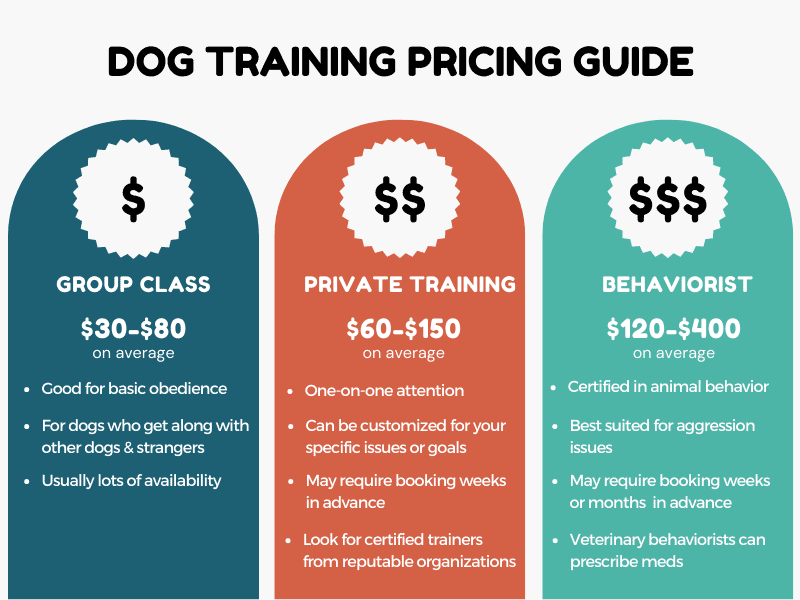
Addressing complex behavioral challenges in domestic dogs requires a clear understanding of the financial commitments involved in hiring qualified professionals. According to the American Society for the Prevention of Cruelty to Animals (ASPCA), behavioral issues remain a primary reason animals are relinquished to shelters, making early and competent intervention vital for lifelong canine welfare. When households face persistent reactivity, separation anxiety, or resource guarding, consulting an expert becomes essential. However, navigating the pricing structures of professional behaviorists can feel overwhelming for many animal guardians trying to balance effective care with household budgets.
💡 Pet Care Key Takeaways:
- Core Focus: Practical health, nutrition, and wellness guidelines for Dog Behavior Specialist Cost.
- Target Scope: Pet owners, animal caregivers, and veterinary support staff.
- Best Recommendation: Maintain consistent daily routines and consult an accredited veterinarian before introducing major diet or medical changes.
Understanding Dog Behavior Specialist Cost Structures
Dog behavior specialist cost refers to the total financial investment required for professional consultation, assessment, and implementation of behavior modification plans by a certified expert. Professional fees typically vary based on the specialist’s credentials, geographical location, and the severity of the targeted behaviors. Certified Applied Animal Behaviorists (CAABs) or veterinary behaviorists—who hold advanced degrees such as a doctorate in veterinary medicine with specialized residency training—generally command higher fees than general trainers due to their extensive medical and psychological education. Initial consultations often range from a flat rate of one hundred fifty to four hundred dollars, covering an exhaustive history review and a customized assessment protocol. For more related activities, check out our Dog Heat Behavior Changes.
The Long-Term Value of Professional Behavioral Intervention
Investing in qualified behavioral guidance directly influences household safety, psychological well-being, and overall quality of life for both the human family and the companion animal. Chronic stress, fear, and unresolved aggression can severely compromise a dog’s physiological health, leading to stress-induced conditions that require ongoing veterinary care. By addressing the root emotional triggers through evidence-based, positive reinforcement methods rather than outdated dominance-based techniques, guardians foster a secure environment. This proactive approach not only mitigates potential liabilities associated with bite incidents but also strengthens the communicative bond between the animal and the household.
Behavioral counseling and early intervention significantly reduce the risk of surrender and improve long-term animal welfare outcomes in domestic dogs. — American Society for the Prevention of Cruelty to Animals (ASPCA)
Budgeting and Planning for Comprehensive Modification Programs
Managing dog behavior specialist cost involves looking beyond single-session fees to evaluate multi-week packages and follow-up support structures. Comprehensive programs often bundle the initial assessment with several hands-on coaching sessions, written management plans, and direct communication access with the specialist. Package rates can provide better overall value, typically ranging from several hundred to over a thousand dollars depending on the intensity required. It remains important to verify what is included in these packages, such as whether virtual troubleshooting or environmental management tools are covered within the initial investment.
Best Practices and Cost-Effective Strategies in Behavior Modification
Maximizing the return on investment when hiring a behavior professional requires careful preparation, consistency, and adherence to humane, science-based protocols. One common mistake involves prioritizing low upfront costs over proven professional credentials, which often leads to prolonged behavioral issues and higher cumulative expenses. Guardians should look for certifications from recognized bodies such as the Certification Council for Professional Dog Trainers (CCPDT) or the International Association of Animal Behavior Consultants (IAABC). Maintaining detailed daily logs of triggers, environmental contexts, and behavioral responses before the initial consultation allows the specialist to work more efficiently, ultimately reducing the total number of billed hours required for noticeable progress.
Selecting professionals who utilize humane, reinforcement-based training methods ensures ethical care and aligns with modern veterinary behavioral science. — American Veterinary Medical Association (AVMA)
Pet Care & Wellness Overview Table
| Life Stage | Daily Activity Level | Key Nutrition / Care Focus |
|---|---|---|
| Puppy / Kitten | High (frequent short bursts) | High-protein growth diet & early socialization |
| Adult Companion | Moderate (30–60 mins daily) | Balanced maintenance nutrition & dental hygiene |
| Senior Pets | Low to Gentle (mindful walks) | Joint support (Glucosamine) & routine vet checks |
Images References


Individual Factors Influencing Pricing and Program Length
The specific requirements of individual dogs heavily dictate the scope and expense of a behavior modification campaign. Breed history, age, genetic predispositions, and the chronicity of the behavior all play critical roles in how many sessions will be needed to achieve safe, reliable modification. For instance, adolescent dogs navigating developmental fear periods may require different management strategies compared to senior dogs experiencing cognitive dysfunction syndrome. Furthermore, multi-pet households or environments with young children demand more complex safety protocols, which can influence the time commitment expected from the behavior specialist.
When to Consult a Veterinarian or Professional Behaviorist
Sudden shifts in temperament, uncharacteristic aggression, or intense fearful responses always warrant an immediate physical examination by a licensed veterinarian to rule out underlying medical pain or neurological dysfunction. If a dog exhibits severe reactivity, biting, or debilitating panic, guardians should bypass basic obedience classes and seek out a board-certified veterinary behaviorist or an appropriately credentialed clinical animal behaviorist. For suspected poisoning, difficulty breathing, seizures, collapse, or severe bleeding, immediate veterinary care is essential. Never rely on online behavioral advice during a medical emergency or an acute crisis.
Financial Planning for Lifelong Canine Wellness
Balancing specialized care with everyday household expenses requires thoughtful planning and a commitment to preventive animal husbandry. Exploring comprehensive educational resources can help owners recognize early warning signs before minor habits develop into deep-seated behavioral challenges requiring expensive interventions. Readers seeking further insights into animal companionship can explore detailed guides on Dog Behavior, proper Dog Care, and foundational Dog Training strategies. Visit PetsAnimalsWorld.com today to discover more resources dedicated to fostering a healthy, balanced life for canine companions.




