
Decoding Canine Minds Through Scientific Dog Behavior Research
Understanding why canines behave in specific ways has evolved from a hobby of casual observation into a rigorous scientific discipline. According to the American Society for Prevention of Cruelty to Animals, modern scientific studies provide invaluable insights into how domestic dogs perceive their environments, communicate with humans, and process emotional states. For contemporary households, exploring this growing body of knowledge bridges the communication gap between species, replacing outdated myths with evidence-informed methods. Instead of relying on guesswork, modern pet care benefits from empirical data that explains why animals react to specific triggers in the home.
💡 Pet Care Key Takeaways:
- Core Focus: Practical health, nutrition, and wellness guidelines for Dog Behavior Research.
- Target Scope: Pet owners, animal caregivers, and veterinary support staff.
- Best Recommendation: Maintain consistent daily routines and consult an accredited veterinarian before introducing major diet or medical changes.
Defining Empirical Studies in Canine Psychology
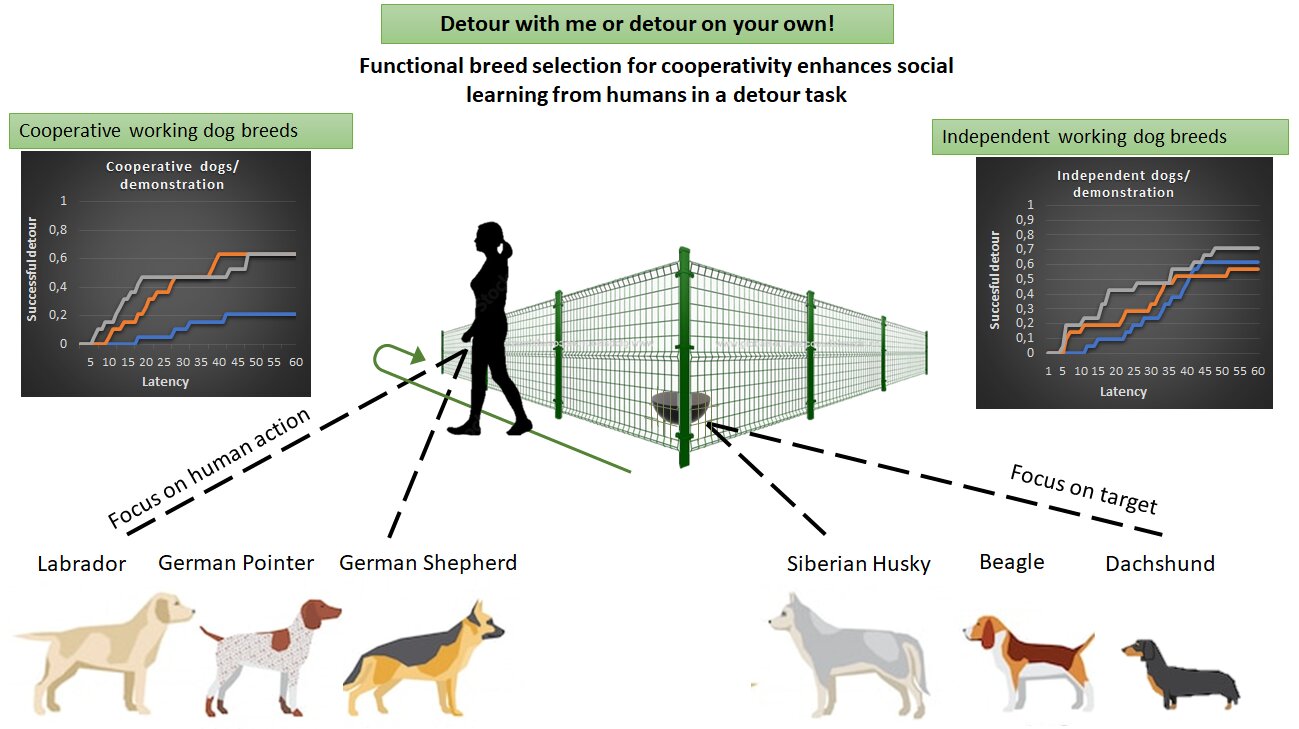
Dog behavior research encompasses controlled scientific investigations into canine cognition, social learning, emotional regulation, and evolutionary development. This interdisciplinary field combines ethology, which is the study of animal behavior under natural conditions, with cognitive science and veterinary medicine. Researchers design controlled experiments to measure how canines solve problems, interpret human gestures, and respond to stress. Through these studies, animal behaviorists have mapped out distinct learning processes, demonstrating that domestic canines possess sophisticated social-cognitive skills specifically adapted for living alongside humans.
The Impact of Scientific Insights on Domestic Animal Welfare
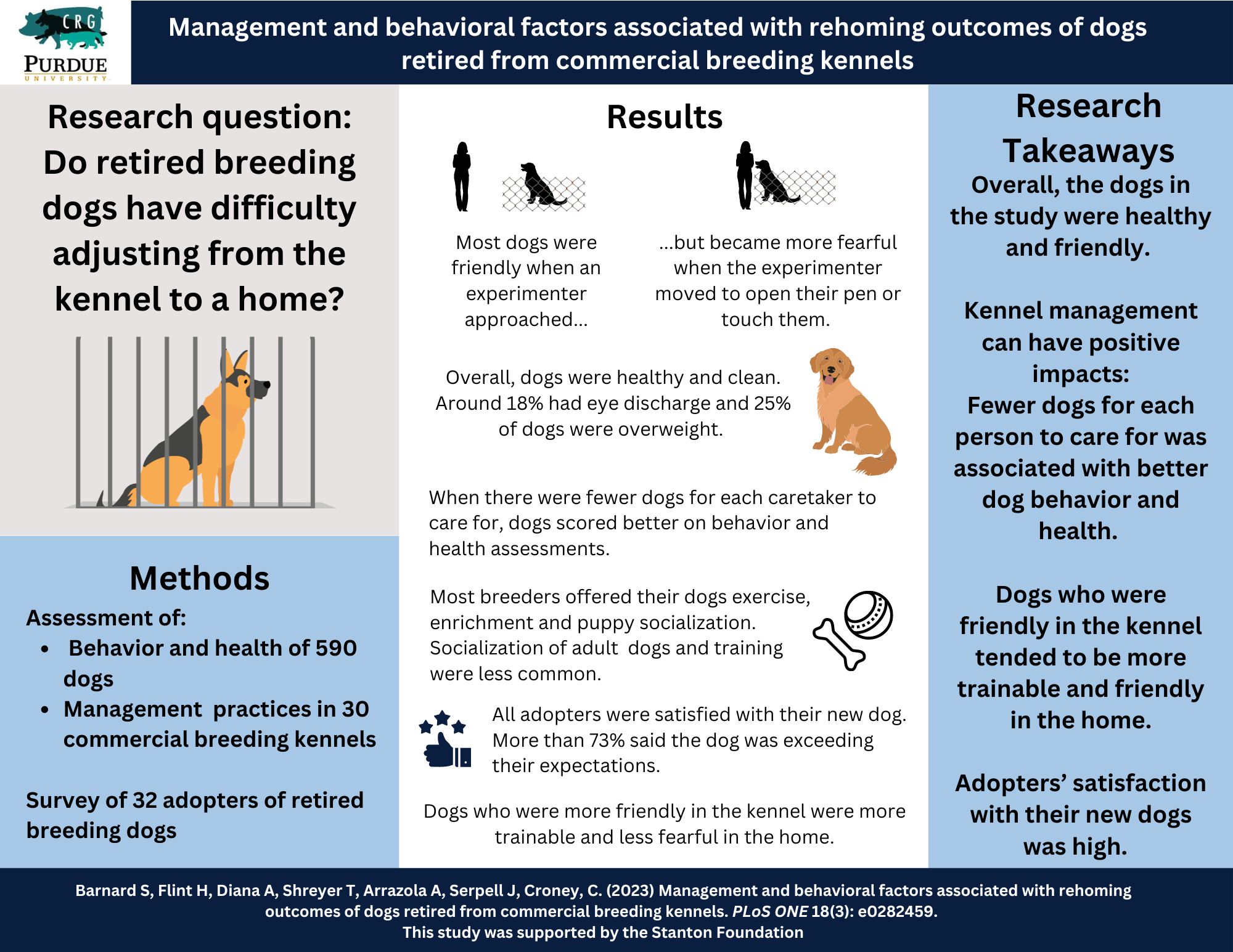
Translating academic studies into everyday routines profoundly shapes overall animal welfare and strengthens the human-animal bond. When caretakers understand that undesirable actions often stem from fear, confusion, or unmet biological needs rather than defiance, daily interactions transform completely. Evidence-informed methodologies prioritize emotional stability, which reduces chronic stress and prevents the escalation of fear-based responses. Furthermore, recognizing how canines process information helps households establish predictable environments where animals feel secure and confident.
Scientific studies demonstrate that domestic dogs are capable of reading human emotional expressions and social cues through targeted visual and auditory processing. — American Veterinary Medical Association
Applying Evidence-Informed Principles to Daily Interactions
Applying findings from canine studies requires patience, consistency, and a commitment to positive reinforcement, which involves rewarding desired actions to encourage their repetition. Scientific literature consistently highlights that animals learn most effectively when communication is clear and predictable. Caretakers can structure daily routines around natural exploratory needs, offering mental enrichment through puzzle feeders, scent work, and structured play sessions. Observing subtle body language signals—such as lip licking, yawning, or turning the head away—allows observant individuals to recognize early signs of discomfort before stress escalates.
Avoiding punitive, intimidation-based, or dominance-based techniques is essential, as modern research proves these methods increase fear, anxiety, and defensive aggression. A frequent mistake involves assuming that an animal acts out of spite or stubbornness, a perspective thoroughly debunked by cognitive studies showing animals lack human-like complex moral calculations. Instead of viewing actions through a human lens, focus on the immediate environmental antecedents and consequences that shape the habit. Establishing clear boundaries through reward-based structure fosters mutual trust while keeping the learning environment positive and engaging.
Behavioral science highlights that consistent, positive reinforcement methods yield higher reliability and lower stress markers than traditional correction-based approaches. — American Kennel Club
Pet Care & Wellness Overview Table
| Life Stage | Daily Activity Level | Key Nutrition / Care Focus |
|---|---|---|
| Puppy / Kitten | High (frequent short bursts) | High-protein growth diet & early socialization |
| Adult Companion | Moderate (30–60 mins daily) | Balanced maintenance nutrition & dental hygiene |
| Senior Pets | Low to Gentle (mindful walks) | Joint support (Glucosamine) & routine vet checks |
Images References



Breed, Age, and Temperament Variables in Canine Studies
Scientific investigations consistently reveal that genetics, developmental stages, and individual temperament heavily influence behavioral expressions. While breed-specific tendencies—such as herding instincts or scent-tracking drives—provide a baseline for expectations, individual variation remains significant. Developmental windows, particularly the early socialization period in puppies, dictate how an individual will perceive novel stimuli later in life. Senior animals experience cognitive changes similar to human aging, which researchers study to better understand canine cognitive dysfunction and age-related behavioral shifts. Exploring related subjects through resources on Dog Breeds helps contextualize these diverse inherited traits.
When to Consult a Veterinarian or Professional Behaviorist
Persistent fear, sudden reactivity, separation distress, or severe aggression warrant professional intervention from a qualified, appropriately certified trainer or veterinary behaviorist. Medical issues frequently manifest as sudden shifts in conduct, making a comprehensive physical examination by a veterinarian the essential first step for any abrupt behavioral change. Pain, neurological disorders, hormonal imbalances, and sensory declines can all alter an animal’s responsiveness. Integrating veterinary medicine with specialized behavioral guidance ensures a holistic approach to complex issues, supporting optimal well-being across all life stages. For further guidance on daily routines, visit Dog Care, or explore Dog Behavior to deepen your understanding of canine communication.
Embracing Evidence-Based Insights for Lifelong Companionship
Advancements in scientific inquiry continue to illuminate the complex inner lives of domestic canines, offering households a reliable roadmap for compassionate care. By relying on empirical evidence rather than folklore, individuals foster environments where animals thrive emotionally and physically. Staying informed about ongoing scientific discoveries ensures that daily routines remain aligned with the highest standards of animal welfare. Visit PetsAnimalsWorld.com regularly to discover more educational resources, expert advice, and guidance dedicated to improving the lives of animal companions everywhere.




