

Understanding the Subtle Signs of Canine Digestive Discomfort
Recognizing subtle shifts in canine habits is essential for maintaining optimal Dog Health, especially when a normally predictable routine encounters sudden disruptions. According to the American Veterinary Medical Association, attentive daily observation of a companion animal’s elimination patterns often serves as the earliest indicator of underlying gastrointestinal distress. When a household pet experiences difficulty passing stool, the resulting physical discomfort invariably alters daily routines and interactions. Understanding the full spectrum of these physical and psychological signs allows caregivers to address mild issues promptly while recognizing scenarios that require professional veterinary intervention.
💡 Pet Care Key Takeaways:
- Core Focus: Practical health, nutrition, and wellness guidelines for Dog Behavior When Constipated.
- Target Scope: Pet owners, animal caregivers, and veterinary support staff.
- Best Recommendation: Maintain consistent daily routines and consult an accredited veterinarian before introducing major diet or medical changes.
Interpreting Shifts in Daily Demeanor and Elimination Habits
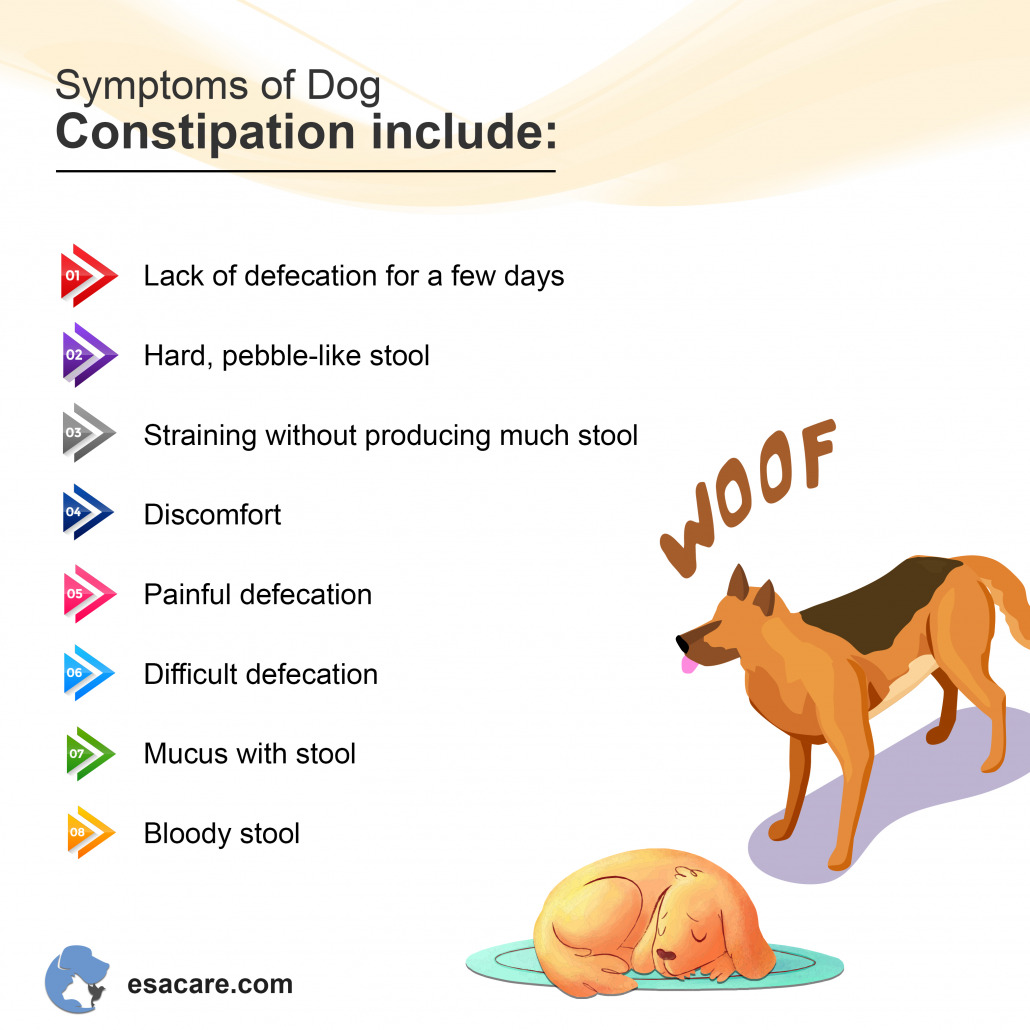
Dog behavior when constipated often manifests as prolonged positioning, frequent unproductive straining, and visible reluctance to complete a normal elimination routine. Constipation occurs when stool remains in the colon for too long, causing excessive water absorption and resulting in hard, dry feces that are difficult to expel. Affected canines may spend an unusually long time circling, repeatedly squatting without success, or exhibiting a hunched posture that signals abdominal cramping. Beyond the physical act itself, dogs frequently display restlessness, pacing, whining, or unexpected reluctance to climb stairs or jump onto furniture due to pelvic and lower back tension.
The Psychological and Physical Impact of Gastrointestinal Strain
Prolonged difficulty with bowel movements places significant stress on the canine body, frequently leading to lethargy, decreased appetite, and uncharacteristic irritability. When an animal associates a specific environment or posture with physical pain, anxiety surrounding the elimination area can develop, causing the animal to hide or seek secluded spaces outdoors. Furthermore, chronic straining can lead to more serious medical complications such as obstipation, a severe form of constipation where the colon becomes entirely packed with immovable fecal matter. Routine maintenance through proper hydration and Dog Nutrition remains critical in supporting regular digestive motility and preventing these distressing episodes.
Chronic straining during defecation can lead to secondary medical complications, including megacolon and severe pelvic discomfort, which require thorough veterinary evaluation. — American Veterinary Medical Association
Practical Approaches to Supporting Canine Digestive Health
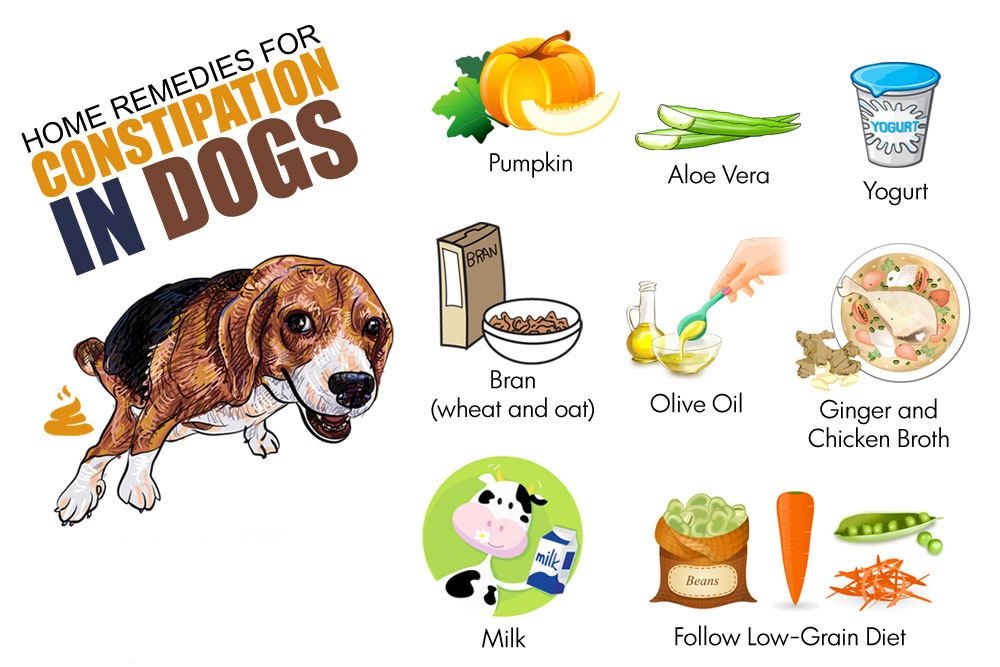
Managing canine digestive challenges safely involves focusing on adequate hydration, appropriate dietary fiber, and consistent physical activity. Encouraging increased water consumption through multiple fresh water stations or adding moisture to meals can significantly soften stool consistency over time. Safe implementation of targeted Dog Care practices ensures that dietary adjustments align with the specific life stage and medical history of the individual animal. Caregivers should introduce any changes to a dog’s daily regimen gradually to avoid triggering secondary digestive upsets such as vomiting or acute diarrhea.
Best Practices and Common Management Pitfalls to Avoid
Safely supporting a dog through a mild digestive slowdown requires strict adherence to professional veterinary guidance rather than relying on unverified internet remedies. A frequent mistake involves administering human over-the-counter laxatives, mineral oils, or unprescribed home remedies, which can prove toxic or severely disrupt delicate electrolyte balances. Instead, focus on maintaining a consistent exercise schedule, as regular movement stimulates natural peristalsis, the wave-like muscle contractions that move food through the digestive tract. Always consult a licensed veterinarian before introducing any new supplements, oils, or specialized fibers into a daily feeding routine.
Inappropriate administration of human medications or mineral oils can cause severe gastrointestinal irritation and secondary toxicity in companion dogs. — ASPCA Animal Poison Control Center
Pet Care & Wellness Overview Table
| Life Stage | Daily Activity Level | Key Nutrition / Care Focus |
|---|---|---|
| Puppy / Kitten | High (frequent short bursts) | High-protein growth diet & early socialization |
| Adult Companion | Moderate (30–60 mins daily) | Balanced maintenance nutrition & dental hygiene |
| Senior Pets | Low to Gentle (mindful walks) | Joint support (Glucosamine) & routine vet checks |
Images References






Breed, Age, and Lifestyle Factors Influencing Digestive Regularity
Certain individual characteristics, including advanced age, sedentary lifestyles, and specific conformational traits found across various Dog Breeds, can increase susceptibility to sluggish bowel motility. Senior dogs frequently experience reduced muscle tone throughout the intestinal tract and may suffer from orthopedic discomfort that makes proper squatting difficult. Additionally, long-haired breeds that experience accidental ingestion of grooming fur or foreign debris such as grass and toy fragments face a higher risk of mechanical blockages. Recognizing these inherent risk factors helps caregivers tailor preventative strategies to suit their companion’s exact physical requirements.
When to Consult a Veterinary Professional Immediately
Prompt veterinary evaluation is essential if a dog shows signs of severe abdominal pain, persistent vomiting, complete inability to pass stool for more than forty-eight hours, or the presence of blood and mucus in the elimination area. These symptoms can indicate a severe obstruction, an enlarged prostate in intact males, or other critical systemic conditions that cannot be managed safely at home. A veterinarian will perform a thorough physical examination, which may include abdominal palpation or diagnostic imaging, to determine the exact cause of the blockage and prescribe appropriate clinical treatment.
Closing Resources for Dedicated Pet Caregivers
Navigating the nuances of canine wellness requires continuous learning and access to trustworthy, evidence-based guidance for every stage of a companion’s life. Caregivers seeking further insights into maintaining optimal health and wellness for their animal companions can explore valuable resources across PetsAnimalsWorld.com. By staying informed about daily preventative strategies, nutritional requirements, and behavioral indicators of discomfort, households can ensure their dogs lead comfortable, active, and healthy lives.




